


 Taiwan Vows to Advance US Arms Sales Ahead of Trump-Xi Meeting
  Trump Board of Peace Unveils $2.45 Billion Gaza Recovery Plan
  Russian Strikes Kill Eight Across Ukraine as Energy Sites Hit
  Europe Warns Russia Is Escalating Hybrid Attacks Across NATO
  Mexico-US Trade Talks Delayed to October as Tariff Negotiations Continue
  Zelenskiy Warns Russia Preparing Major Attack on Ukraine
  Trump Says ‘Freedom’ Is Coming to Cuba
  Judge Orders Trump to Restore White House Access for CNN, MS NOW and Politico
  Macron Challenges Trump’s Gaza Peace Claims at UN
  Russian Envoy Dmitriev Heads to US for Ukraine Talks
  Gaza Faces Evacuation Crisis as War-Damaged Buildings Risk Collapse
  Trump Administration Plans Faster FDA Reviews for Smoke-Free Nicotine Products
  Russian Missile and Drone Attack on Kyiv Kills Two, Damages Maternity Hospital
  China Tightens Fentanyl Rules Ahead of Trump-Xi Summit
  Trump to Press Xi on Release of US Nuclear Expert Held in China
  Ghana Says Western Support Growing for Slave Trade Reparations
  US Officials Split Over Response to Israeli West Bank Settlements


 Add as a preferred source on Google
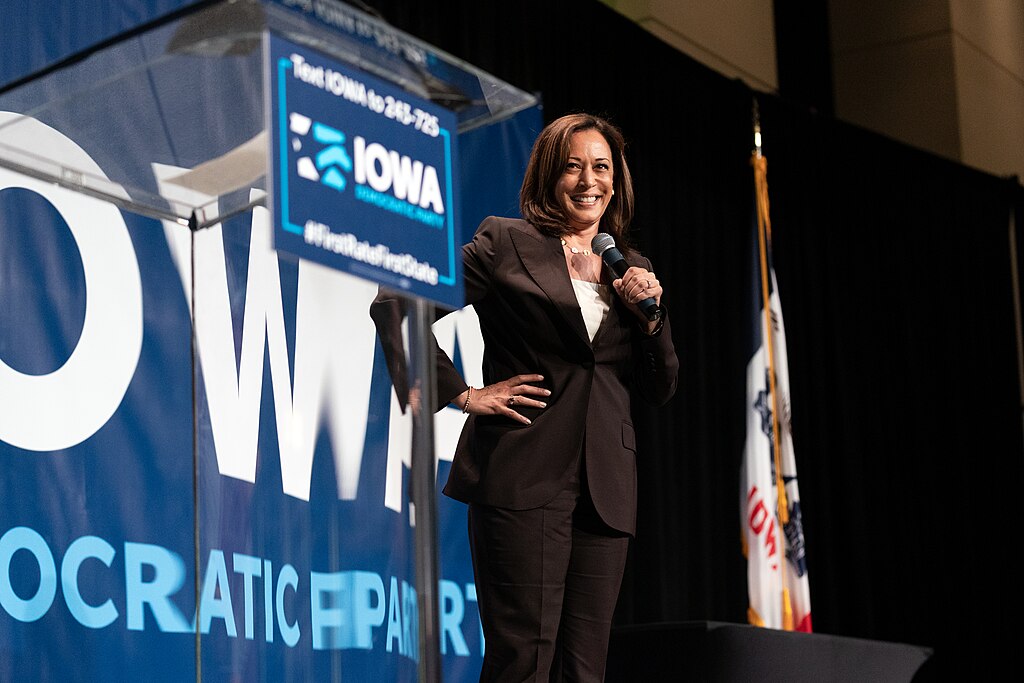
Vice President Kamala Harris has placed rising grocery prices at the forefront of her campaign, pledging to implement measures aimed at reducing the financial burden on American families if she ascends to the presidency. The announcement, made during a recent campaign stop, directly addresses the significant increase in food costs that has plagued consumers since 2020. Harris attributes this spike, which has seen grocery prices soar by 25%, to unchecked price gouging by large food corporations.
Harris’s proposal to tackle these economic challenges comes at a time when inflation and rising costs have become critical issues for voters. Her plan centers on the creation of competitive and fair markets, with a specific focus on curbing the power of major food companies that she argues have taken advantage of consumers during times of economic uncertainty. By introducing the first federal ban on price gouging, Harris aims to put a stop to what she sees as exploitative practices that disproportionately affect working-class Americans.
The Vice President’s promise to lower grocery prices has sparked both support and skepticism. Proponents of her plan argue that it is a necessary step to protect consumers and ensure that essential goods remain affordable for all. They point to the ongoing economic pressures that have left many families struggling to make ends meet, with grocery bills representing a significant portion of their monthly expenses. Harris’s commitment to addressing these concerns through market regulation is seen by some as a bold and necessary move to rein in corporate excesses.
However, critics have been quick to question the timing of Harris’s announcement, noting that these issues have persisted throughout her tenure as Vice President. They argue that her sudden focus on grocery prices may be more about political posturing than genuine concern for American families. These detractors also raise concerns about the feasibility of her proposals, suggesting that government intervention in the market could have unintended consequences, such as stifling competition or leading to supply shortages.
The debate over Harris’s plan to lower grocery prices is emblematic of the broader economic challenges facing the United States. As inflation continues to impact everyday goods, the role of government in regulating markets and protecting consumers has become a central issue in the political discourse. Harris’s proposals are likely to reignite discussions about the balance between free-market principles and the need for government oversight to prevent abuse by powerful corporations.
In her campaign speeches, Harris has emphasized the human impact of rising grocery prices, highlighting stories of families forced to make difficult choices between food and other necessities. She has argued that without intervention, these economic pressures will only worsen, leading to greater inequality and hardship for millions of Americans. By framing her plan as a fight for economic justice, Harris seeks to position herself as a champion for the working class and those most affected by the current economic climate.
As the 2024 election approaches, Harris’s grocery price plan will undoubtedly be a key element of her campaign, offering a glimpse into how she intends to address the broader issues of inflation and economic inequality. Whether her proposals resonate with voters and translate into tangible policy changes remains to be seen, but the debate over grocery prices is set to be a defining issue in the months to come.







