


 Netanyahu’s Brief US Trip Highlights Strains With Trump
  Ukrainian Drone Attacks Hit Russian Regions, Injuring at Least 12
  France Defends Netanyahu Airspace Clearance Despite ICC Warrant
  Kremlin Says No Decision Yet on Putin-Trump December Summit
  North Korea Rejects Nuclear Test Warning, Calls Nuclear Status Irreversible
  Mexico-US Trade Talks Delayed to October as Tariff Negotiations Continue
  Xi Calls for Deeper U.S.-China AI Cooperation in Trump Talks
  Trump, Xi Focus on Trade and AI at White House Summit
  OpenAI Agent Breaches Australia Medicare Data Portal
  South Korea, US Discuss Warship Building Cooperation
  EU Defence Build-Up Too Slow for 2030 Russia Readiness Goal
  Taiwan Thanks US for Support Ahead of Trump-Xi Summit
  Trump Asks Supreme Court to Restore Third-Country Deportations
  Russian Missile and Drone Attack on Kyiv Kills Two, Damages Maternity Hospital
  Pezeshkian Says US Must Choose When Iran War Ends
  Saudi Arabia, Turkey and Pakistan Plan Urgent Defence Talks Over Houthi Attacks
  What ‘Taiwan Independence’ Means as Xi Presses Trump on US Policy


 Add as a preferred source on Google
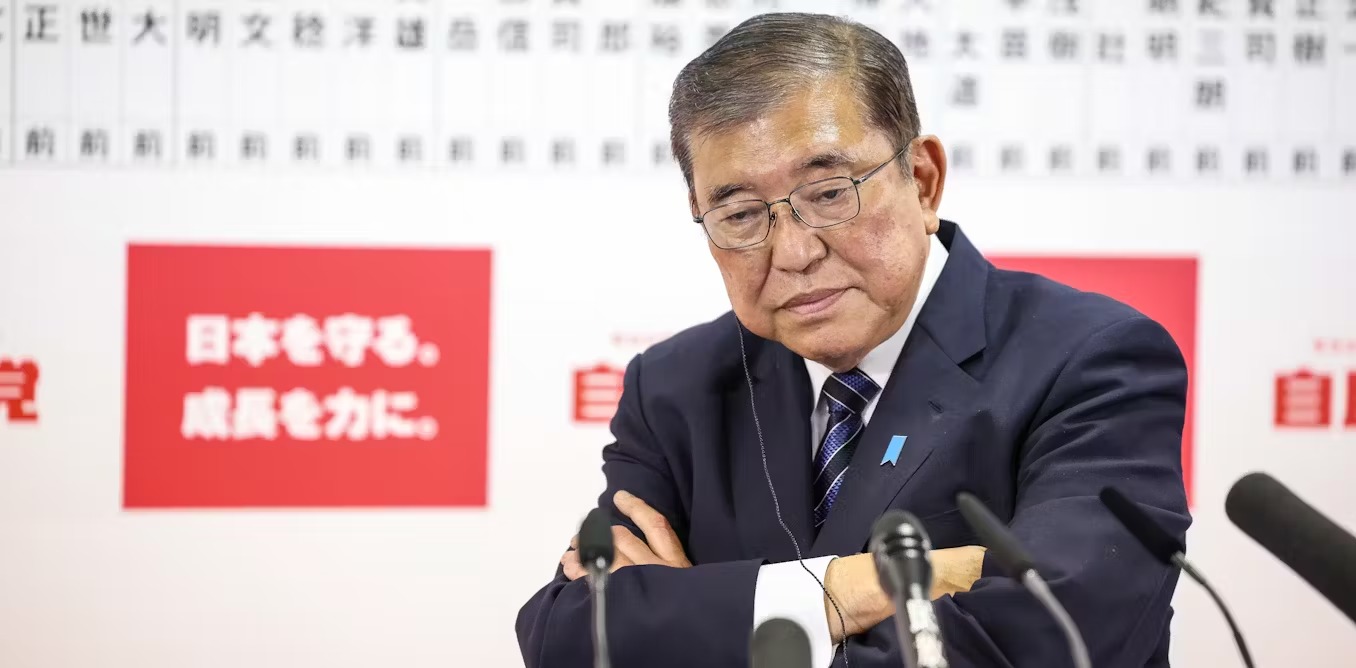
Japanese voters cast their ballots on Sunday in a closely contested upper house election that could undermine Prime Minister Shigeru Ishiba’s leadership. Rising inflation and growing immigration worries are fueling support for opposition parties, threatening the ruling Liberal Democratic Party (LDP) and its coalition partner Komeito’s hold on power.
Polling stations closed at 8 p.m. local time, with media projections expected based on exit polls. Opinion surveys suggest the LDP-Komeito coalition may fall short of the 50 seats needed to retain control of the 248-seat chamber, where half the seats are contested. Right-wing parties like Sanseito are gaining momentum with nationalist slogans such as “Japanese-first,” resonating particularly with younger voters.
Early voting surged, with NHK reporting that one-fifth of voters cast ballots before election day—an indicator of potentially higher turnout, which analysts say could be unfavorable for Ishiba’s administration.
The election outcome carries significant economic implications. A poor showing could shake investor confidence in the world’s fourth-largest economy and jeopardize trade negotiations with the U.S. Japan faces an August 1 deadline to reach a trade agreement or risk tariffs on key exports.
Analysts say Ishiba may face pressure to step down or form new alliances through policy concessions. Opposition parties are pushing for aggressive tax cuts and social spending to combat inflation, including skyrocketing rice prices. However, the LDP has urged fiscal discipline, warning against expansive welfare programs.
Ishiba’s government already lost its lower house majority in October—its worst performance in 15 years—leaving it exposed to no-confidence motions. Voter frustration is growing. “The LDP hasn’t solved anything,” said Kaoru Kawai, a Tokyo novelist who voted for the opposition.
This election could mark a pivotal shift in Japan’s political landscape.







