


 Evan Gershkovich Says FSB Set Trap for 2023 Russia Arrest
  NATO Boosts Intelligence Sharing Amid Russia Hybrid Threats
  Saudi Arabia Seeks Military Support as Houthi Attacks Escalate
  Oil Prices Ease as Iran Tensions Clash With Diplomacy Hopes
  Mexico-US Trade Talks Delayed to October as Tariff Negotiations Continue
  US Supreme Court Revives Trump Administration Voter Citizenship Database
  Netanyahu’s Brief US Trip Highlights Strains With Trump
  Pope Leo Warns UN, Multilateral Groups Face Crisis
  Asian Stocks Fall as Surging Bond Yields Rattle Markets
  What ‘Taiwan Independence’ Means as Xi Presses Trump on US Policy
  Trump, Xi Focus on Trade and AI at White House Summit
  RBI Uses $10 Billion Currency Swaps to Drain Excess Rupee Liquidity
  Trump Warns China Against Supporting Iran in Xi Talks
  Gold Holds Near $4,275 as Rising Treasury Yields Fuel Fed Rate Hike Bets
  Abbas Reaffirms November 28 Palestinian Elections
  EU Defence Build-Up Too Slow for 2030 Russia Readiness Goal
  Saudi Arabia, Turkey and Pakistan Plan Urgent Defence Talks Over Houthi Attacks


 Add as a preferred source on Google
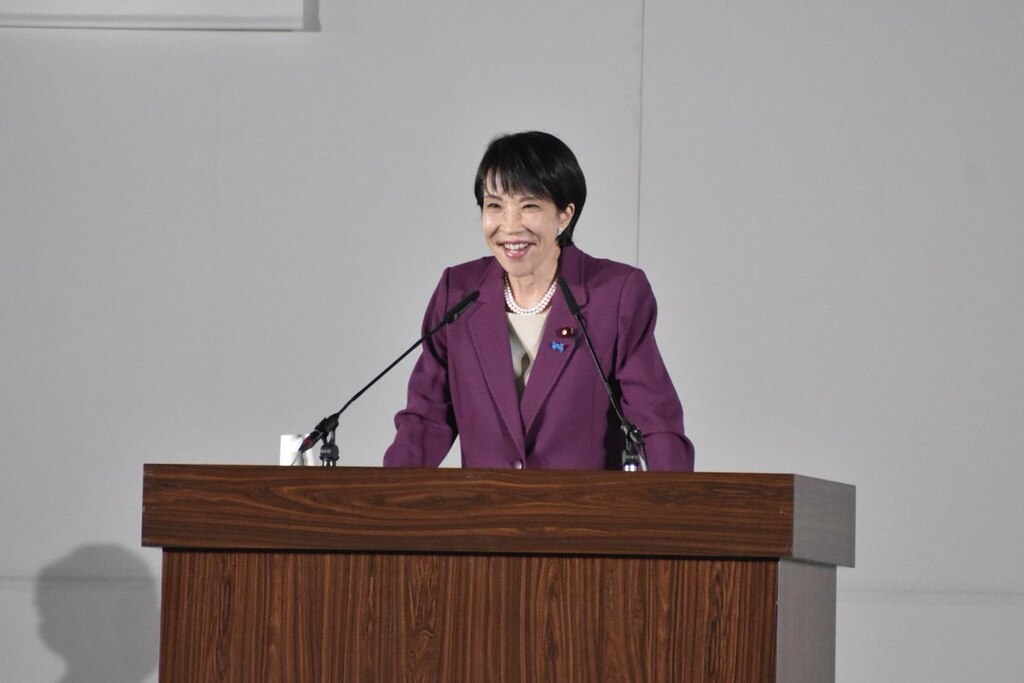
Japan’s economic landscape is shifting as reflationist advocates of expansionary fiscal policy regain influence under Prime Minister Sanae Takaichi. Known for her support of loose fiscal and monetary policy, Takaichi has appointed key figures aligned with the late Shinzo Abe’s “Abenomics” to major government panels, signaling a renewed push for aggressive stimulus to reflate the economy.
Among the newly appointed members is former Bank of Japan (BOJ) Deputy Governor Masazumi Wakatabe, a vocal supporter of large-scale asset purchases and monetary easing. Wakatabe will serve as one of four private-sector representatives on the Council of Economic and Fiscal Policy — Japan’s top advisory body that shapes long-term fiscal strategies. During his BOJ tenure from 2018 to 2023, he championed massive stimulus programs under then-Governor Haruhiko Kuroda.
In a recent interview, Wakatabe stated that while the BOJ could raise interest rates if inflation stabilizes near its 2% target, doing so this year may be challenging. Joining him on the council is economist Toshihiro Nagahama of Dai-ichi Life Research Institute, who has long supported policies to boost domestic demand. Economic Revitalization Minister Minoru Kiuchi confirmed that the selections were made in consultation with Prime Minister Takaichi to align with her policy vision.
The appointments mark a clear departure from former Prime Minister Shigeru Ishiba’s administration, which favored fiscal restraint and faster normalization of BOJ policy. Takaichi has also brought on Takuji Aida, another pro-stimulus economist, to her growth strategy panel. Aida advocates maintaining expansionary policies until Japan’s output gap surpasses 2%.
Markets have responded positively since Takaichi became Japan’s first female prime minister on October 21. Investor optimism is driven by expectations of a substantial spending package, reportedly exceeding Ishiba’s ¥13.9 trillion plan, aimed at accelerating economic growth under Japan’s new reflationist leadership.







