


 North Korea Warns South Korea Over US-Led Defense Role
  Yemen Violence Displaces 130,000 as Civilian Toll Rises
  Xi Calls for Deeper U.S.-China AI Cooperation in Trump Talks
  Putin Says Ukraine Peace Proposals Remain on Table
  Iran Rejects Nuclear Concessions in Hormuz Deal
  Najib Razak Seeks Stay of 15-Year 1MDB Prison Sentence
  Netanyahu Defends Israel at UN as Delegates Stage Walkout
  Pope Leo Warns UN, Multilateral Groups Face Crisis
  Pezeshkian Says US Must Choose When Iran War Ends
  Trump Asks Supreme Court to Restore Third-Country Deportations
  NATO Boosts Intelligence Sharing Amid Russia Hybrid Threats
  Evan Gershkovich Says FSB Set Trap for 2023 Russia Arrest
  Saudi Arabia Seeks Military Support as Houthi Attacks Escalate
  US Supreme Court Revives Trump Administration Voter Citizenship Database
  What ‘Taiwan Independence’ Means as Xi Presses Trump on US Policy
  EU Agrees €6.6 Billion Military Aid Funding for Ukraine
  North Korea Rejects Nuclear Test Warning, Calls Nuclear Status Irreversible


 Add as a preferred source on Google
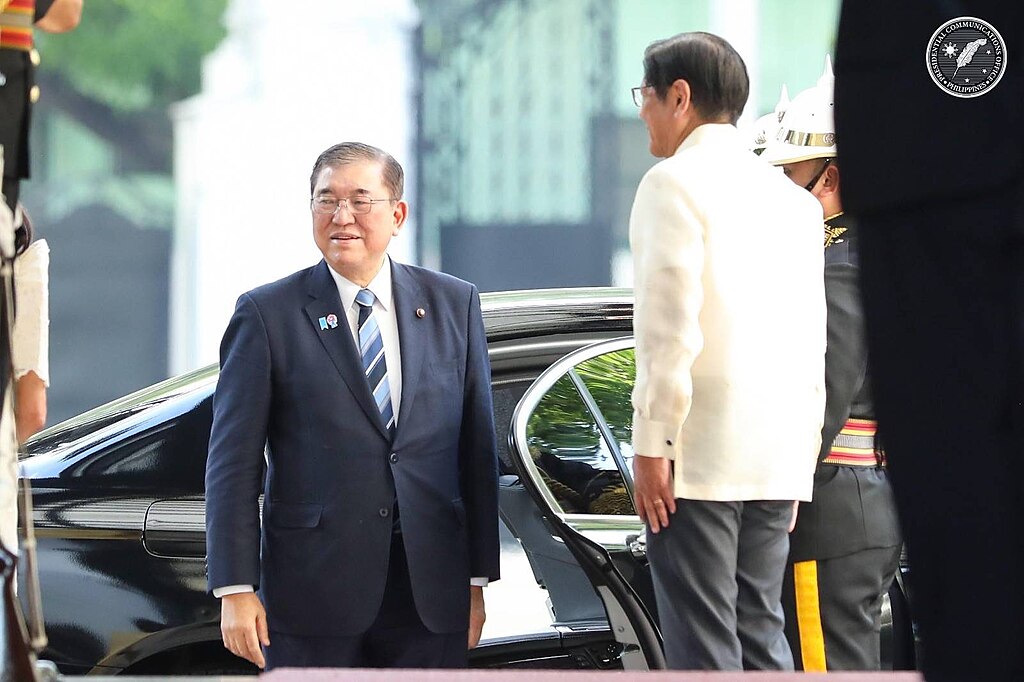
Japanese Prime Minister Shigeru Ishiba announced his resignation on Sunday, citing responsibility for a string of election defeats that weakened his ruling Liberal Democratic Party (LDP). The 68-year-old leader, who secured a U.S.-Japan trade deal to ease tariffs imposed by President Donald Trump, said it was time to “pass the baton to the next generation.”
Ishiba’s exit follows his coalition’s loss of majorities in both houses of parliament, fueled by public frustration over rising living costs. The LDP will hold an emergency leadership election, with Ishiba staying in office until a successor is chosen. Potential replacements include Sanae Takaichi, known for supporting looser fiscal and monetary policies, and Shinjiro Koizumi, the farm minister tasked with curbing price surges.
Markets reacted nervously, with Japan’s yen and long-dated government bonds under pressure amid concerns over policy uncertainty. Analysts warn that Takaichi’s stance on fiscal expansion and opposition to rate hikes could draw market scrutiny, while Koizumi is expected to maintain continuity.
Although the LDP remains the largest party in the lower house, its lost majority means the next leader may not automatically become prime minister. Some analysts suggest a snap election could be called to secure a mandate. The opposition remains fragmented, though the far-right Sanseito party gained momentum in recent elections.
Ishiba’s resignation comes after finalizing a trade pact that pledged $550 billion in investments in exchange for tariff relief, particularly for Japan’s auto industry. He expressed hope that his successor would execute the deal and address voter concerns over wages and costs.
With geopolitical tensions rising, business leaders urged swift action to restore stability. Voters, too, voiced hopes for a leader capable of managing tariffs and strengthening diplomacy during uncertain times.







