


 US Stock Futures Fall as Treasury Yields Surge Ahead of Trump-Xi Summit
  Japanese Bank Stocks Surge as Bond Yields Fuel Rate Hike Bets
  Trump, Xi Focus on Trade and AI at White House Summit
  South Korea, US Discuss Warship Building Cooperation
  What ‘Taiwan Independence’ Means as Xi Presses Trump on US Policy
  Kremlin Says No Decision Yet on Putin-Trump December Summit
  Soybean Futures Slip as Traders Await Trump-Xi Trade Signals
  Saudi Arabia, Turkey and Pakistan Plan Urgent Defence Talks Over Houthi Attacks
  Gold Holds Near $4,275 as Rising Treasury Yields Fuel Fed Rate Hike Bets
  France Defends Netanyahu Airspace Clearance Despite ICC Warrant
  Pezeshkian Says US Must Choose When Iran War Ends
  China’s ‘Lipstick King’ Says AI Won’t Replace Livestream Hosts
  Wall Street Falls as Treasury Yields Surge, Oil Rebounds on Iran Tensions
  U.S. Treasury Yields Surge as 30-Year Hits 22-Year High
  Japan Private-Sector Growth Slows as Domestic Demand Weakens
  Trump Asks Supreme Court to Restore Third-Country Deportations
  Ghana Says Western Support Growing for Slave Trade Reparations


 Add as a preferred source on Google
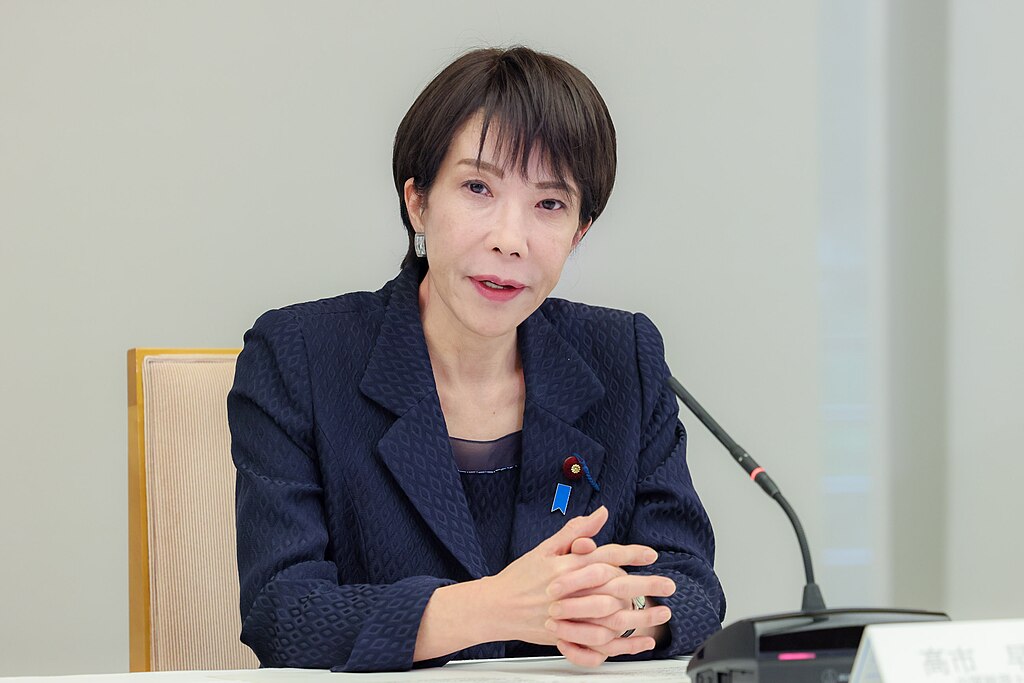
Japan’s Prime Minister Sanae Takaichi announced a significant shift in fiscal policy, revealing plans to scrap the nation’s annual budget target in favor of a multi-year fiscal assessment. The move marks a departure from previous administrations’ strict focus on annual fiscal consolidation, signaling a more flexible approach to economic management.
Takaichi, a known proponent of aggressive government spending, stated in parliament that the primary budget balance (PBB) — which excludes new bond sales and debt servicing costs — will no longer serve as Japan’s key fiscal indicator. Instead, fiscal progress will be evaluated over several years. The decision effectively softens Japan’s long-standing commitment to achieving a primary budget surplus, a goal that has been repeatedly delayed amid efforts to stimulate growth and respond to economic shocks such as the COVID-19 pandemic.
Under the previous fiscal blueprint set in June, Japan aimed to achieve a budget surplus between fiscal 2025 and 2026. However, Takaichi argued that the PBB framework is outdated and inconsistent with global standards, emphasizing the need for flexibility to sustain economic growth. Her government is preparing a new spending package to mitigate the impact of rising living costs, while investing in defense and innovation to drive long-term development.
Japan currently faces one of the world’s heaviest public debt burdens, exceeding twice the size of its economy. Despite this, Takaichi believes increased fiscal spending can strengthen the economy and support strategic industries, positioning Japan for a more resilient financial future.
Her fiscal shift underscores a balancing act between stimulating growth and maintaining fiscal discipline — a policy pivot that could redefine Japan’s approach to managing its economy in the years ahead.







