


 Asian Currencies Mixed as Dollar Holds Near Two-Month High
  Mexico-US Trade Talks Delayed to October as Tariff Negotiations Continue
  Australia Unemployment Hits Five-Year High Despite Strong Jobs Growth
  U.S. Dollar Hits Two-Month High as Oil, Treasury Yields Surge
  Gold Holds Near $4,275 as Rising Treasury Yields Fuel Fed Rate Hike Bets
  Trump, Xi Focus on Trade and AI at White House Summit
  Germany’s 2026 Growth Outlook Strengthens on Fiscal Spending
  Dollar Holds Near Two-Month High as Yen Approaches 160
  UK PM Burnham to Unveil Economic Vision at Labour Conference
  Asian Stocks Fall as Bond Yields Surge Ahead of Trump-Xi Summit
  Dollar Falls as Oil Eases, Yen Jumps on Intervention Signals
  Fed Unveils Stablecoin Rules Under GENIUS Act
  Oil Prices Fall on U.S.-Iran Hormuz Deal Hopes
  Fed Unveils Stablecoin Rules Under GENIUS Act
  US Stock Futures Fall as Treasury Yields Surge Ahead of Trump-Xi Summit
  European Stocks Fall as Bond Yields and Geopolitical Risks Weigh
  Japanese Bank Stocks Surge as Bond Yields Fuel Rate Hike Bets


 Add as a preferred source on Google
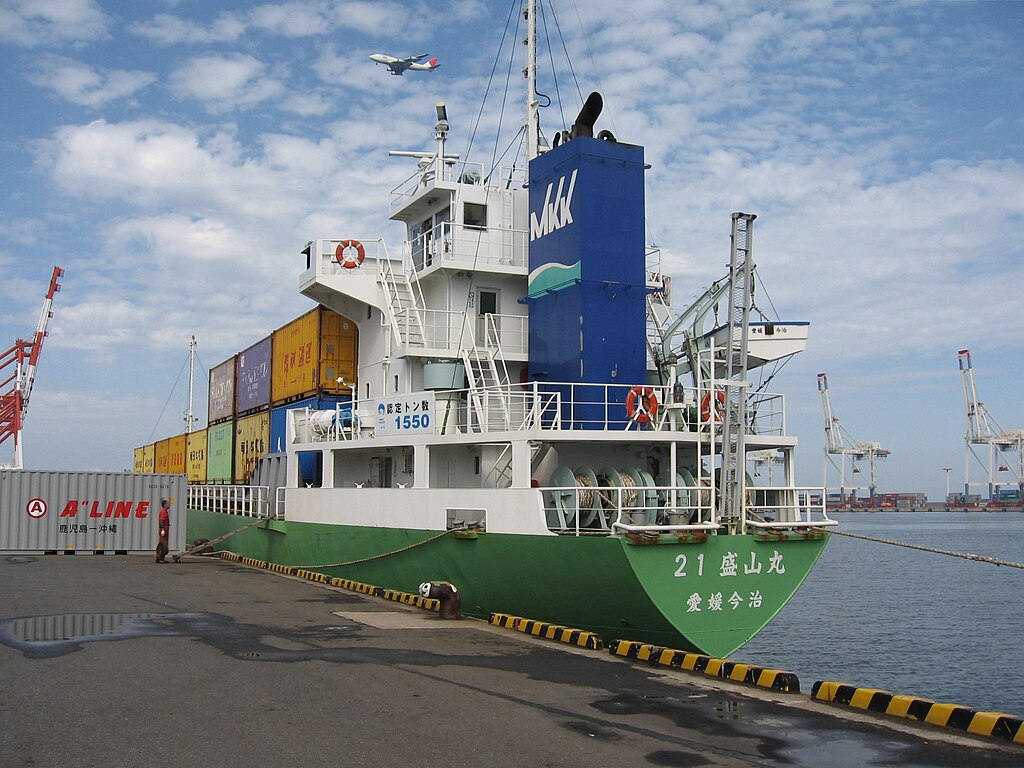
Japan’s exports climbed for the sixth consecutive month in March, driven by a surge in car and electronic component shipments amid escalating U.S. tariff threats. According to Japan’s Ministry of Finance, exports rose 3.9% year-on-year, slightly below the 4.5% market forecast and down from February’s 11.4% gain.
The increase came as U.S. President Donald Trump imposed a 25% tariff on car and truck imports and proposed a sweeping 24% tariff on all Japanese goods, later reduced to 10% for a 90-day period. In response, Japanese manufacturers rushed to export vehicles and electronics to the U.S., their largest trading partner. March exports to the U.S. rose 3.1% compared to a year earlier, while shipments to China dropped 4.8%.
Imports also grew, rising 2% year-on-year, missing analysts’ expectations of 3.1%. This resulted in a trade surplus of 544.1 billion yen ($3.84 billion), beating forecasts of 485.3 billion yen.
Automobiles, Japan’s top export, remain at the center of U.S.-Japan trade tensions. In 2024, Japan exported goods worth 21 trillion yen to the U.S., with vehicles accounting for about 28% of that total. Japan produces 9 million cars domestically each year and ships 1.5 million to the U.S., in addition to 1.4 million vehicles exported from Mexico and Canada by Japanese automakers.
With the looming threat of prolonged tariffs, automakers are adjusting production strategies. Nissan announced it will reduce domestic production of the Rogue SUV, its top-selling U.S. model, from May through July to mitigate potential impacts from the shifting trade landscape.
Negotiations between the U.S. and Japan are ongoing, with Trump citing "big progress" after a surprise meeting with Japanese officials in Washington.







