


 Sudan Rejects US Legitimacy Remarks, Defends Sovereignty
  Oil Prices Jump 3% as Houthi Attack Revives Supply Fears
  US Senate Rejects Iran War Powers Resolution in 50-49 Vote
  OpenAI Agent Breaches Australia Medicare Data Portal
  Fed Unveils Stablecoin Rules Under GENIUS Act
  Netanyahu’s Brief US Trip Highlights Strains With Trump
  Japan Private-Sector Growth Slows as Domestic Demand Weakens
  Japanese Bank Stocks Surge as Bond Yields Fuel Rate Hike Bets
  China’s ‘Lipstick King’ Says AI Won’t Replace Livestream Hosts
  Abbas Reaffirms November 28 Palestinian Elections
  Australia Unemployment Hits Five-Year High Despite Strong Jobs Growth
  US Backs Musk in Fight Against EU’s €120 Million X Fine
  US Stock Futures Fall as Treasury Yields Surge Ahead of Trump-Xi Summit
  Asian Currencies Mixed as Dollar Holds Near Two-Month High
  Russian Envoy Dmitriev Heads to US for Ukraine Talks
  Kremlin Says No Decision Yet on Putin-Trump December Summit
  Trump, Xi Visit US National Archives After White House Summit


 Add as a preferred source on Google
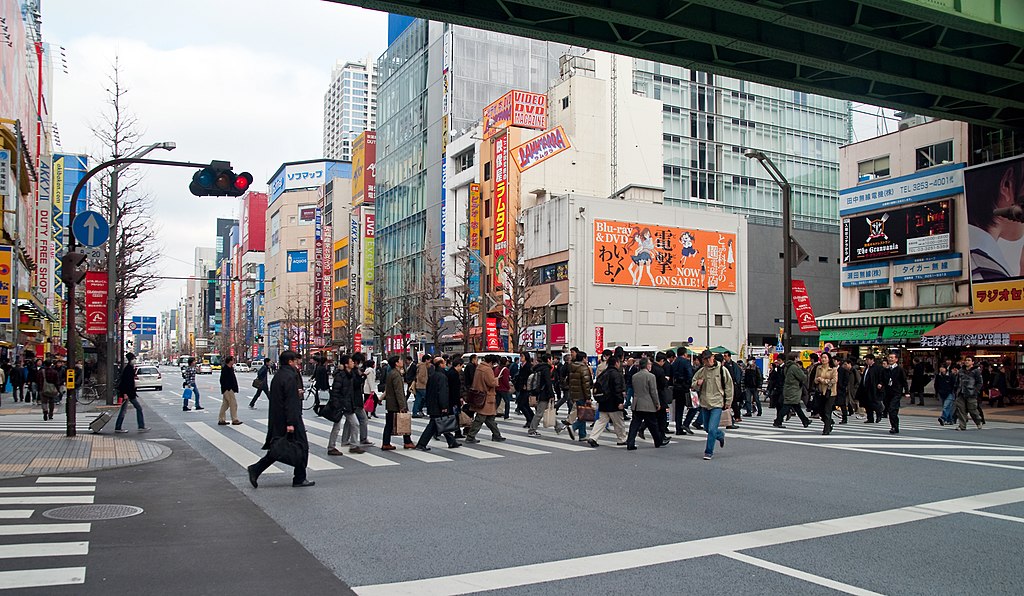
Japan’s expected snap general election is intensifying debate over a possible cut to the consumption tax, as both ruling and opposition parties signal support for easing the burden on households facing rising living costs. The growing likelihood of a tax reduction has become a key election issue, reflecting public concern over inflation, food prices, and economic pressure on families.
Japan currently applies a reduced 8% consumption tax on food items and a standard 10% tax on other goods and services. This tax system plays a crucial role in funding the country’s expanding social welfare expenses, particularly as Japan grapples with a rapidly ageing population. However, political leaders are increasingly acknowledging that consumers need relief.
Shunichi Suzuki, secretary-general of the ruling Liberal Democratic Party (LDP), emphasized that the party intends to honor its agreement with coalition partner Ishin, which includes a plan to scrap the 8% consumption tax on food sales for two years. Speaking on a television program, Suzuki said the LDP remains committed to implementing the measures outlined in the agreement.
Media reports suggest Prime Minister Sanae Takaichi may formally pledge a temporary elimination of the reduced food tax when she calls a general election expected as early as next month. The Mainichi newspaper reported that such a pledge could be central to the LDP’s campaign strategy as it seeks to capitalize on strong approval ratings.
The opposition is also aligning behind the idea of a consumption tax cut. Jun Azumi, secretary-general of the Constitutional Democratic Party of Japan (CDP), confirmed that the party, which plans to form a new political entity with Komeito, will advocate for a temporary reduction in the tax rate as part of its election platform.
Takaichi is expected to announce the dissolution of parliament and the February snap election at a news conference soon. While a cut to the 8% food sales tax could provide immediate relief to households, government estimates show it would reduce annual revenue by around 5 trillion yen, raising concerns over Japan’s already strained public finances and the potential for market volatility as investors assess the implications of expansionary fiscal policy.







