


 EU Defence Build-Up Too Slow for 2030 Russia Readiness Goal
  Fed Unveils Stablecoin Rules Under GENIUS Act
  Dollar Holds Near Two-Month High as Yen Approaches 160
  Saudi Arabia, Turkey and Pakistan Plan Urgent Defence Talks Over Houthi Attacks
  Asian Stocks Fall as Bond Yields Surge Ahead of Trump-Xi Summit
  U.S. 10-Year Treasury Yield Hits 2007 High as Fed Rate Hike Bets Rise
  NATO Boosts Intelligence Sharing Amid Russia Hybrid Threats
  Pezeshkian Says US Must Choose When Iran War Ends
  South Korea, US Discuss Warship Building Cooperation
  US Stock Futures Fall as Treasury Yields Surge Ahead of Trump-Xi Summit
  US, China Extend Trade Truce to Jan. 10 Ahead of Trump-Xi Summit
  RBI Uses $10 Billion Currency Swaps to Drain Excess Rupee Liquidity
  North Korea Rejects Nuclear Test Warning, Calls Nuclear Status Irreversible
  Mexico-US Trade Talks Delayed to October as Tariff Negotiations Continue
  Gold Prices Fall as Treasury Yields Rise on Fed Rate Hike Bets
  Sudan Rejects US Legitimacy Remarks, Defends Sovereignty
  What ‘Taiwan Independence’ Means as Xi Presses Trump on US Policy


 Add as a preferred source on Google
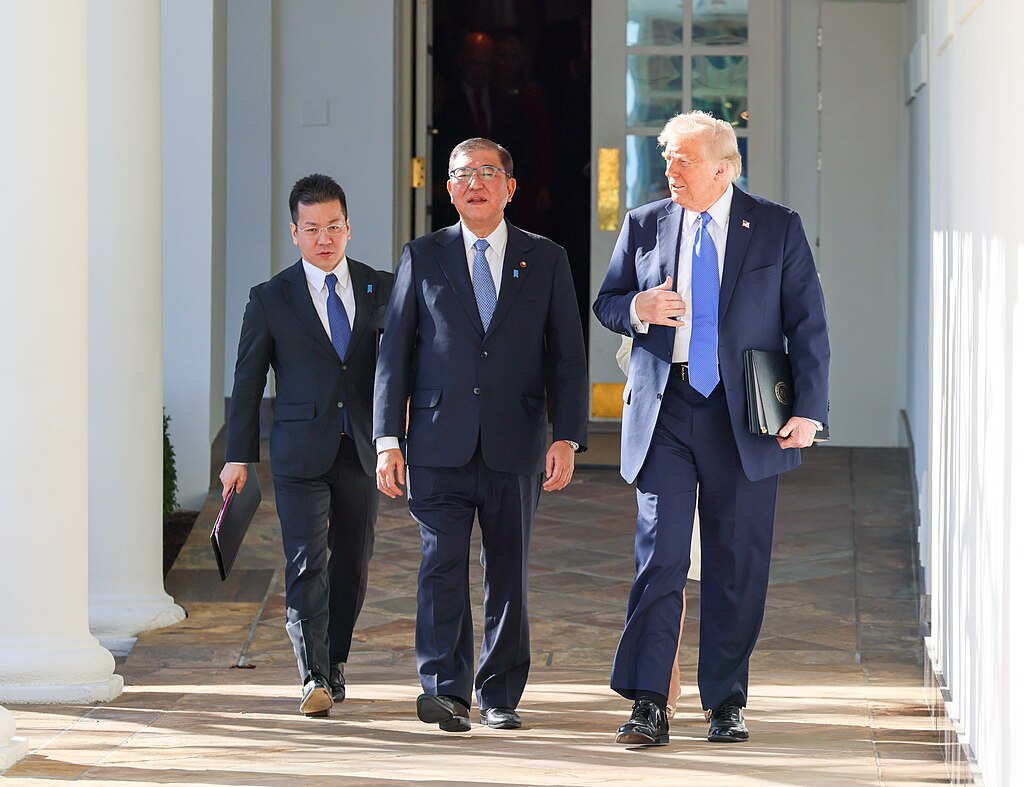
Japanese Prime Minister Shigeru Ishiba reaffirmed Japan’s commitment to securing a fair bilateral trade agreement with the United States, following President Donald Trump’s announcement of a 25% tariff on Japanese goods starting August 1. The proposed tariffs, which also affect South Korea, are part of Trump’s aggressive trade stance aimed at narrowing the U.S. trade deficit.
Responding to the U.S. president’s formal letter, Ishiba emphasized Japan’s intent to continue negotiations to avoid further economic strain. He disclosed during a cabinet meeting that while a deal has yet to be finalized, ongoing talks have prevented a steeper tariff hike, initially floated at 30% to 35%.
“We have received a U.S. proposal to accelerate negotiations ahead of the August 1 deadline. Depending on Japan’s approach, the letter’s terms could still be revised,” Ishiba stated. His remarks underscore Tokyo’s strategy to balance national economic interests while maintaining strong diplomatic ties with Washington.
Despite the lack of a formal agreement, Japanese officials view the negotiation window as an opportunity to ease trade tensions and protect key export sectors such as automotive and electronics. Analysts warn, however, that failure to reach consensus could hit Japan’s economy hard, especially amid a fragile global recovery.
The White House has yet to comment on whether the tariff threat is a negotiation tactic or a firm decision. Market watchers remain cautious, monitoring how Japan navigates the tight deadline while attempting to avoid retaliatory measures.
As the clock ticks toward August 1, Japan’s efforts to stabilize trade relations with the U.S. will be closely watched by investors, economists, and global policymakers alike. The outcome may set a precedent for future trade talks in an increasingly protectionist global environment.







