


 Saudi Arabia, Turkey and Pakistan Plan Urgent Defence Talks Over Houthi Attacks
  Pezeshkian Says US Must Choose When Iran War Ends
  Kremlin Says No Decision Yet on Putin-Trump December Summit
  EU Defence Build-Up Too Slow for 2030 Russia Readiness Goal
  Taiwan Thanks US for Support Ahead of Trump-Xi Summit
  Xi Calls for Deeper U.S.-China AI Cooperation in Trump Talks
  Trump, Xi Visit US National Archives After White House Summit
  Judge Orders Trump to Restore White House Access for CNN, MS NOW and Politico
  Trump Asks Supreme Court to Restore Third-Country Deportations
  Abbas Reaffirms November 28 Palestinian Elections
  France Defends Netanyahu Airspace Clearance Despite ICC Warrant
  Russian Missile and Drone Attack on Kyiv Kills Two, Damages Maternity Hospital
  Yemen Violence Displaces 130,000 as Civilian Toll Rises
  OpenAI Agent Breaches Australia Medicare Data Portal
  Ukrainian Drone Attacks Hit Russian Regions, Injuring at Least 12
  NATO Boosts Intelligence Sharing Amid Russia Hybrid Threats
  US Senate Rejects Iran War Powers Resolution in 50-49 Vote


 Add as a preferred source on Google
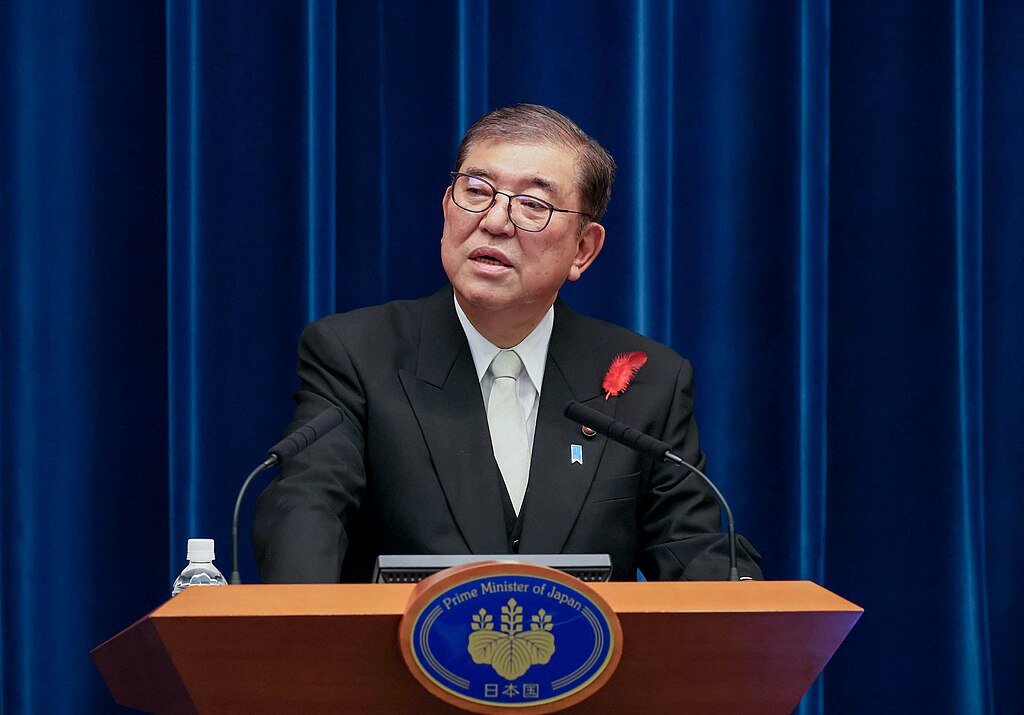
Japan’s ruling coalition is set to lose control of the upper house, according to NHK, deepening political uncertainty for Prime Minister Shigeru Ishiba. The Liberal Democratic Party (LDP) and its partner Komeito are projected to fall short of the 50 seats needed to secure a majority in the 248-seat upper chamber, with only six seats left to declare. This comes after a crushing defeat in the lower house election last October, increasing internal pressure on Ishiba and opening the door for no-confidence motions.
Speaking after exit polls closed, Ishiba acknowledged the “harsh result,” but emphasized his commitment to key U.S. tariff negotiations, which face an August 1 deadline. Failure to reach a deal could trigger steep tariffs on Japanese exports, threatening the world’s fourth-largest economy.
Rising inflation and consumer frustration—especially over food prices like rice—fueled voter backlash. The opposition Constitutional Democratic Party gained ground, while the far-right Sanseito party surged with its anti-immigration "Japanese First" message, projected to win at least 13 seats. Sanseito, which emerged during the COVID-19 era with conspiratorial messaging, now appeals to younger voters concerned about immigration and national identity.
Experts warn that with fiscal policy now requiring bipartisan support, market anxiety over Japan’s record-high national debt could worsen. Calls for consumption tax cuts clashed with the LDP’s focus on fiscal restraint, a divide opposition parties leveraged to gain support.
As Japan grapples with its aging population and record 3.8 million foreign residents, political discourse around immigration is shifting. Whether Sanseito’s rise marks a lasting realignment remains to be seen, but Ishiba’s political future now hangs in the balance amid economic and social crosscurrents.







