


 Yemen Violence Displaces 130,000 as Civilian Toll Rises
  Mexico-US Trade Talks Delayed to October as Tariff Negotiations Continue
  Taiwan Thanks US for Support Ahead of Trump-Xi Summit
  North Korea Rejects Nuclear Test Warning, Calls Nuclear Status Irreversible
  OpenAI Agent Breaches Australia Medicare Data Portal
  Trump, Xi Visit US National Archives After White House Summit
  US Backs Musk in Fight Against EU’s €120 Million X Fine
  Abbas Reaffirms November 28 Palestinian Elections
  South Korea, US Discuss Warship Building Cooperation
  Xi Calls for Deeper U.S.-China AI Cooperation in Trump Talks
  Ukrainian Drone Attacks Hit Russian Regions, Injuring at Least 12
  Netanyahu’s Brief US Trip Highlights Strains With Trump
  Pezeshkian Says US Must Choose When Iran War Ends
  North Korea Warns South Korea Over US-Led Defense Role
  Ghana Says Western Support Growing for Slave Trade Reparations
  Judge Orders Trump to Restore White House Access for CNN, MS NOW and Politico
  Netanyahu Takes Aim at Mamdani as Israel Election Nears


 Add as a preferred source on Google
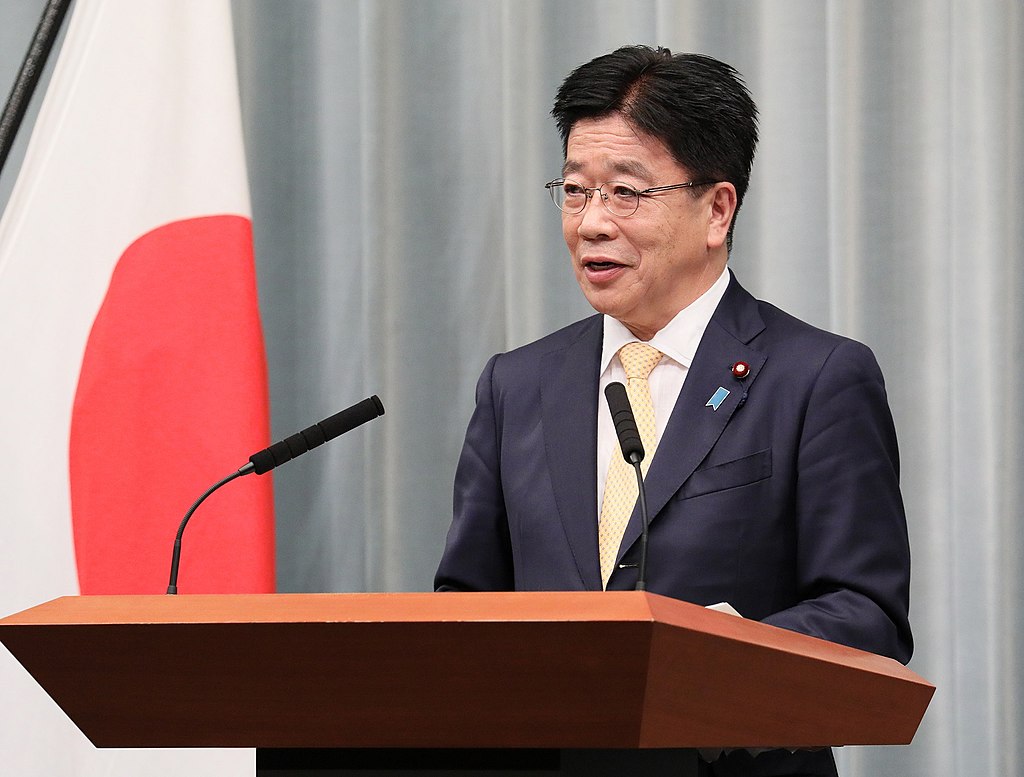
Japanese Finance Minister Katsunobu Kato stated on Tuesday that any upcoming discussions with U.S. Treasury Secretary Scott Bessent on exchange rates would be grounded in a mutual understanding that excessive currency volatility harms economic stability. Speaking at a press conference, Kato emphasized that prior talks had reaffirmed both nations’ stance that markets should determine exchange rates, and that abrupt fluctuations can pose financial risks.
Kato and Bessent are expected to meet on the sidelines of the upcoming G7 finance ministers’ summit in Canada. The meeting comes amid ongoing concerns about Japan’s currency policies, especially given President Donald Trump’s continued focus on reducing the U.S. trade deficit. Trump has previously accused Japan of deliberately keeping the yen weak to benefit its exporters, prompting speculation that Washington may push Tokyo to allow the yen to strengthen.
While Japan and the U.S. continue separate bilateral negotiations on tariffs, the sensitive currency issue has been delegated to their finance chiefs. Kato expressed interest in exchanging views on broader economic topics during his expected dialogue with Bessent.
The minister also commented on Moody’s recent downgrade of the U.S. credit rating, saying Japan is closely monitoring its potential impact on global markets and domestic economic conditions.
Following a meeting last month in Washington, Kato and Bessent agreed to maintain “constructive” dialogue on currency policy. However, they did not set any concrete targets or mechanisms to influence yen movements, signaling that formal currency coordination remains off the table for now.
As global markets watch for clues on future yen-dollar dynamics, the outcome of this G7 meeting could shape investor sentiment and policy direction between two of the world’s largest economies.







