


 RBI Uses $10 Billion Currency Swaps to Drain Excess Rupee Liquidity
  Abbas Reaffirms November 28 Palestinian Elections
  US Backs Musk in Fight Against EU’s €120 Million X Fine
  Australia Unemployment Hits Five-Year High Despite Strong Jobs Growth
  Japan Private-Sector Growth Slows as Domestic Demand Weakens
  Taiwan Thanks US for Support Ahead of Trump-Xi Summit
  U.S. Treasury Yields Surge as 30-Year Hits 22-Year High
  US Senate Rejects Iran War Powers Resolution in 50-49 Vote
  Russian Missile and Drone Attack on Kyiv Kills Two, Damages Maternity Hospital
  EU Defence Build-Up Too Slow for 2030 Russia Readiness Goal
  Sudan Rejects US Legitimacy Remarks, Defends Sovereignty
  Najib Razak Seeks Stay of 15-Year 1MDB Prison Sentence
  What ‘Taiwan Independence’ Means as Xi Presses Trump on US Policy
  Netanyahu Defends Israel at UN as Delegates Stage Walkout
  Asian Currencies Mixed as Dollar Holds Near Two-Month High
  Fed Unveils Stablecoin Rules Under GENIUS Act
  Oil Prices Jump 3% as Houthi Attack Revives Supply Fears


 Add as a preferred source on Google
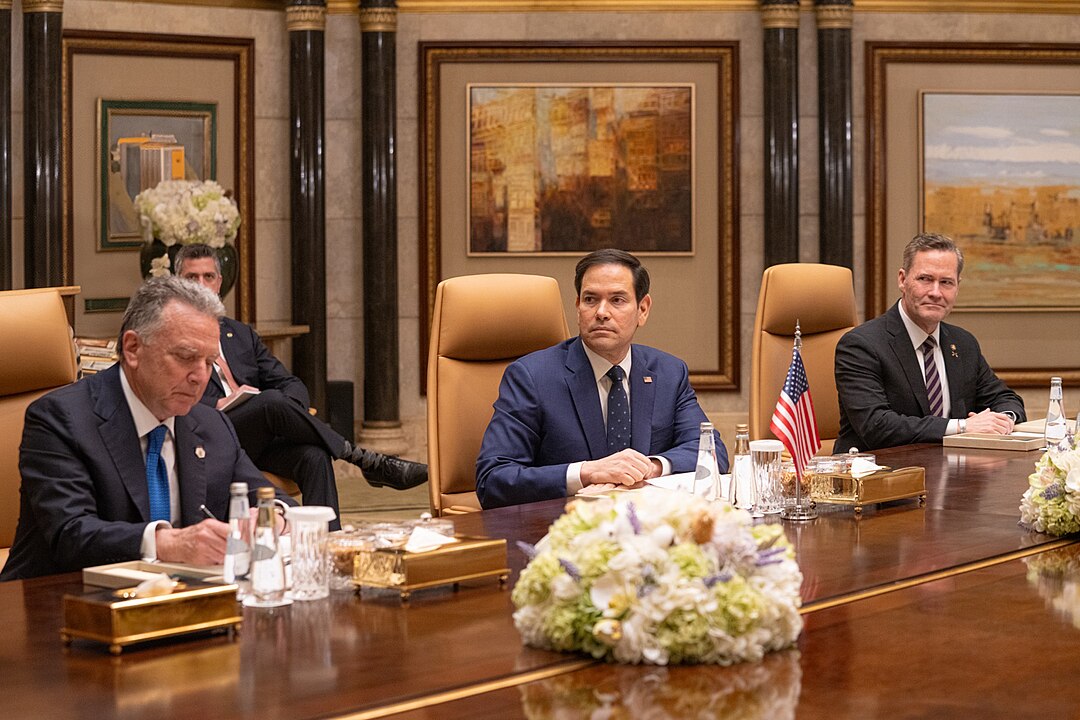
Japan has canceled a high-level security meeting with the United States after the Trump administration increased pressure for higher defense spending, according to the Financial Times. The annual 2+2 security talks, scheduled for July 1 in Washington, were to include U.S. Secretary of State Marco Rubio and Defense Secretary Pete Hegseth meeting their Japanese counterparts.
Sources familiar with the matter said Japan withdrew after the U.S. raised its defense spending demand to 3.5% of GDP—up from a previous 3% request. The push reportedly came from Elbridge Colby, the third-highest-ranking official at the Pentagon, who has also drawn criticism for reviewing a key U.S.-Australia submarine project.
A U.S. official confirmed the talks had been "postponed" weeks ago without giving a reason. Neither the State Department nor the Pentagon commented directly, and Japan’s embassy in Washington did not respond to inquiries.
The move follows remarks by Japanese Prime Minister Shigeru Ishiba in March, asserting that Japan’s defense budget is determined domestically, not by foreign demands. The issue also comes amid heightened tensions over U.S. global tariffs and ongoing trade negotiations with allies.
The cancellation coincides with Japan’s upcoming Upper House elections on July 20, where the ruling Liberal Democratic Party is expected to lose seats. Analysts suggest domestic political considerations may have played a role in Tokyo's decision.
This development unfolds just ahead of a NATO summit where President Trump is expected to demand that European allies increase their defense budgets to 5% of GDP.
The standoff highlights growing strain between the U.S. and its Indo-Pacific allies over military burden-sharing, even as regional threats from China and North Korea intensify.







