


 New Zealand Labour Backs Social Media Ban for Under-16s
  Donald Trump’s North Korea Outreach Raises Asia Alliance Concerns
  EU’s Von der Leyen Condemns Israel’s E1 West Bank Settlement Plan
  Raphael Glucksmann Launches 2027 French Presidential Bid
  Turkey Seeks Interpol Red Notice for Netanyahu Over Gaza Aid Flotilla
  NATO Facilitates Allied Talks on Strait of Hormuz Navigation
  North Korea Prepares More Troops for Russia, Seoul Says
  US Sailor’s Father Detained by Immigration Authorities
  US-Canada Tariff War Escalates With 50% Auto Duties
  Israel Targets Suspected Terrorist in Southern Syria
  Bessent Warns Iran as US Prepares Toughest-Ever Sanctions
  Iran Allows Iraqi Oil Tankers Through Strait of Hormuz
  Iran Vows Retaliation as U.S. Expands Sanctions Pressure
  US Launches ‘Economic Onslaught’ Against Iran With New Sanctions
  Israeli Strikes Kill Two in Gaza as Tensions Rise
  Milei Pushes for Formula 1 Return to Argentina
  UK, France Pledge Stronger Military Support for Ukraine


 Add as a preferred source on Google
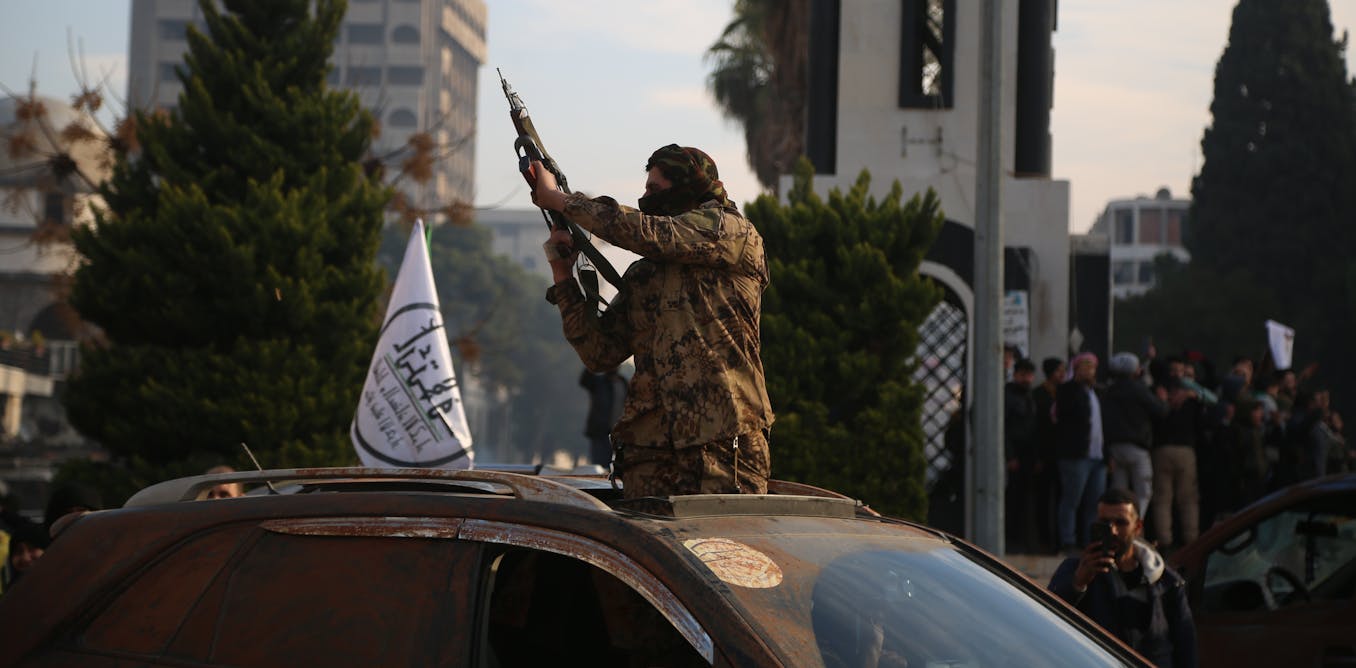
Israel and Syria have agreed to a ceasefire following days of intense clashes in Syria’s Sweida province, which left over 300 dead and hundreds more injured. The agreement, announced by U.S. envoy to Turkey Tom Barrack, comes with support from Turkey, Jordan, and neighboring countries.
Violence erupted between Druze factions and Bedouin fighters in the predominantly Druze region, prompting Israeli airstrikes on Damascus and southern Syria. Israel stated it aimed to protect the Druze minority, which exists in Syria, Lebanon, and Israel. Despite previous opposition, Israel agreed to allow limited entry of Syrian internal security forces into Sweida for 48 hours to help restore order.
The U.S. played a key role in brokering an earlier truce, while the Syrian presidency confirmed that a dedicated force would be deployed to stabilize the region. However, fears remain as thousands of Bedouin fighters reportedly continued moving into Sweida.
Eyewitnesses described severe shortages of food, water, electricity, and fuel, with ongoing violence disrupting communications. The Syrian Network for Human Rights documented at least 321 deaths since Sunday, including women, children, and medical staff, and reported field executions by all parties.
The UN human rights office raised alarms over credible reports of war crimes, including the summary execution of civilians. The UN refugee agency called for immediate humanitarian access to the region.
While Syria’s interim authorities claim efforts are underway to protect civilians and restore stability, Israel has expressed deep concern over Syria’s new Islamist leadership. The U.S., meanwhile, has distanced itself from Israel’s recent military actions, emphasizing the need for de-escalation and accountability.
The situation in Sweida remains fragile, with the ceasefire offering only a temporary pause to a potentially escalating conflict.







