


 UK, Mauritius Seek Diego Garcia Base Deal
  Trump to Press Xi on Release of US Nuclear Expert Held in China
  Kremlin Says No Grounds Yet for Ukraine Peace Talks
  Burnham Eyes UK Leadership Role in AI Ahead of Trump Meeting
  Vietnam, US Trade Deal Could Be Signed Soon, To Lam Says
  Scott Bessent Eyed as Trump’s New AI Czar
  Marco Rubio to Meet Russia’s Lavrov in New York
  Taiwan Vows to Advance US Arms Sales Ahead of Trump-Xi Meeting
  China Tightens Fentanyl Rules Ahead of Trump-Xi Summit
  US, Japan and South Korea Back Taiwan Ahead of Trump-Xi Summit
  Trump Says ‘Freedom’ Is Coming to Cuba
  Lula Meets Mamdani in New York as Elections Approach
  Trump Board of Peace Unveils $2.45 Billion Gaza Recovery Plan
  Zelenskiy Warns Russia Preparing Major Attack on Ukraine
  Lula and Flavio Bolsonaro Tied in Brazil Runoff Poll
  Trump Administration Prepares Sanctions Against Entire ICC
  CNN, MS NOW and Politico Sue Trump Over White House Media Ban


 Add as a preferred source on Google
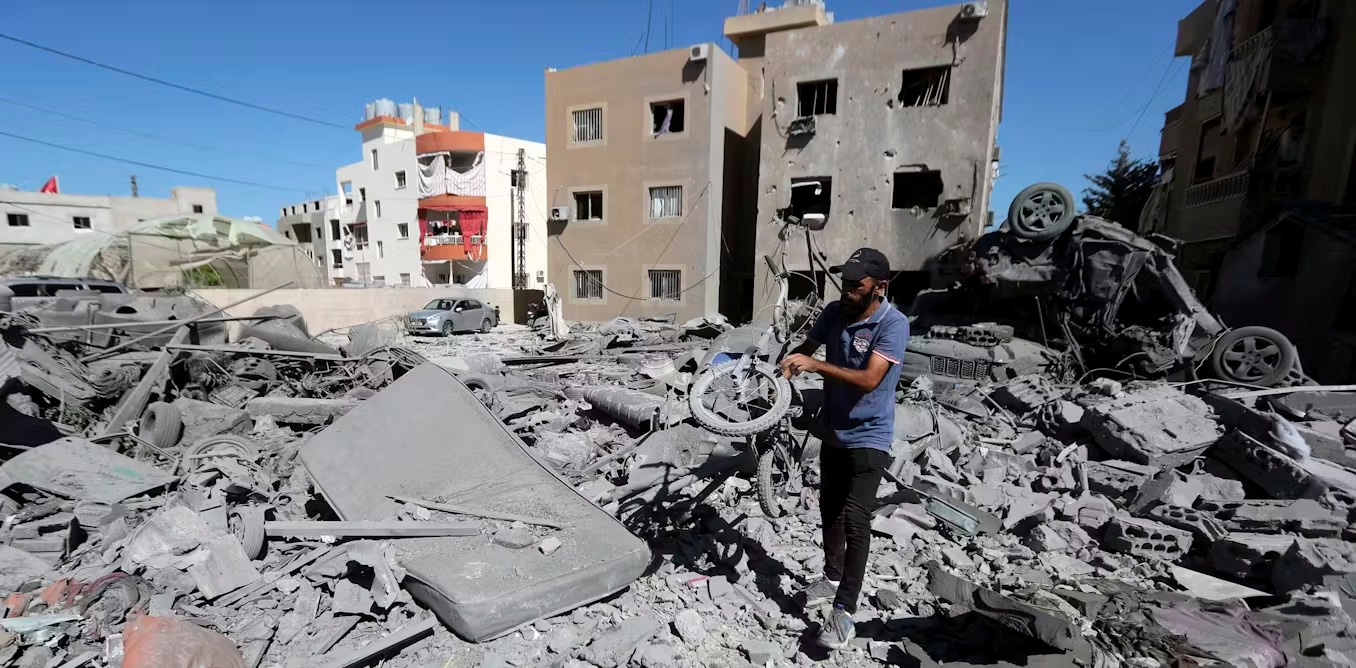
Israel and Lebanon have agreed to implement a ceasefire aimed at ending months of hostilities, according to the U.S. administration. The development has increased optimism that a broader agreement could eventually help reduce tensions involving the United States, Israel, and Iran.
The ceasefire agreement requires a complete halt to military activity by Hezbollah and the withdrawal of its fighters from the South Litani region. U.S. officials announced the arrangement following diplomatic discussions in Washington. Although both sides previously agreed to a ceasefire, clashes continued, making the latest commitment a significant step toward regional stability.
The announcement comes amid growing tensions across the Middle East. Iran recently launched attacks targeting Kuwait, causing damage to airport facilities and injuring dozens of people. The incidents occurred while U.S. military forces conducted operations near the Strait of Hormuz, a critical global energy shipping route. The renewed instability contributed to rising oil prices and concerns about international energy supplies.
Kuwaiti authorities temporarily suspended flights after drone and missile strikes affected infrastructure and diplomatic facilities. Airline operations later resumed following enhanced security measures. Iran and the United States exchanged conflicting claims regarding responsibility for the attacks, further highlighting the fragile security situation in the Gulf region.
Meanwhile, U.S. Central Command reported conducting defensive operations against Iranian military targets, including missile launch sites and vessels suspected of preparing maritime attacks. The actions were part of ongoing efforts to protect regional security and maintain freedom of navigation.
Despite recent diplomatic progress, negotiations between Iran and the United States remain challenging. Iran continues to seek sanctions relief, access to oil revenues, and other economic concessions. U.S. President Donald Trump reiterated that preventing Iran from obtaining nuclear weapons remains a top priority, while Iranian officials maintain that their nuclear program serves peaceful purposes.
The conflict has caused thousands of casualties, particularly in Iran and Lebanon, while disrupting global trade and energy markets. Israeli military operations in Lebanon continued this week, resulting in additional casualties and raising concerns that localized confrontations could threaten broader diplomatic efforts.
While significant obstacles remain, the Israel-Lebanon ceasefire represents an important opportunity to reduce regional tensions and potentially advance wider negotiations aimed at restoring stability across the Middle East.







