


 Wall Street Falls as Treasury Yields Surge, Oil Rebounds on Iran Tensions
  North Korea Warns South Korea Over US-Led Defense Role
  Asian Stocks Fall as Bond Yields Surge Ahead of Trump-Xi Summit
  Oil Prices Ease as Iran Tensions Clash With Diplomacy Hopes
  Russian Envoy Dmitriev Heads to US for Ukraine Talks
  Russian Missile and Drone Attack on Kyiv Kills Two, Damages Maternity Hospital
  U.S. Dollar Hits Two-Month High as Oil, Treasury Yields Surge
  Oil Prices Jump 3% as Houthi Attack Revives Supply Fears
  Judge Orders Trump to Restore White House Access for CNN, MS NOW and Politico
  Sudan Rejects US Legitimacy Remarks, Defends Sovereignty
  Kremlin Says No Decision Yet on Putin-Trump December Summit
  Japan Private-Sector Growth Slows as Domestic Demand Weakens
  EU Defence Build-Up Too Slow for 2030 Russia Readiness Goal
  U.S. 10-Year Treasury Yield Hits 2007 High as Fed Rate Hike Bets Rise
  US Stock Futures Fall as Treasury Yields Surge Ahead of Trump-Xi Summit
  France Defends Netanyahu Airspace Clearance Despite ICC Warrant


 Add as a preferred source on Google
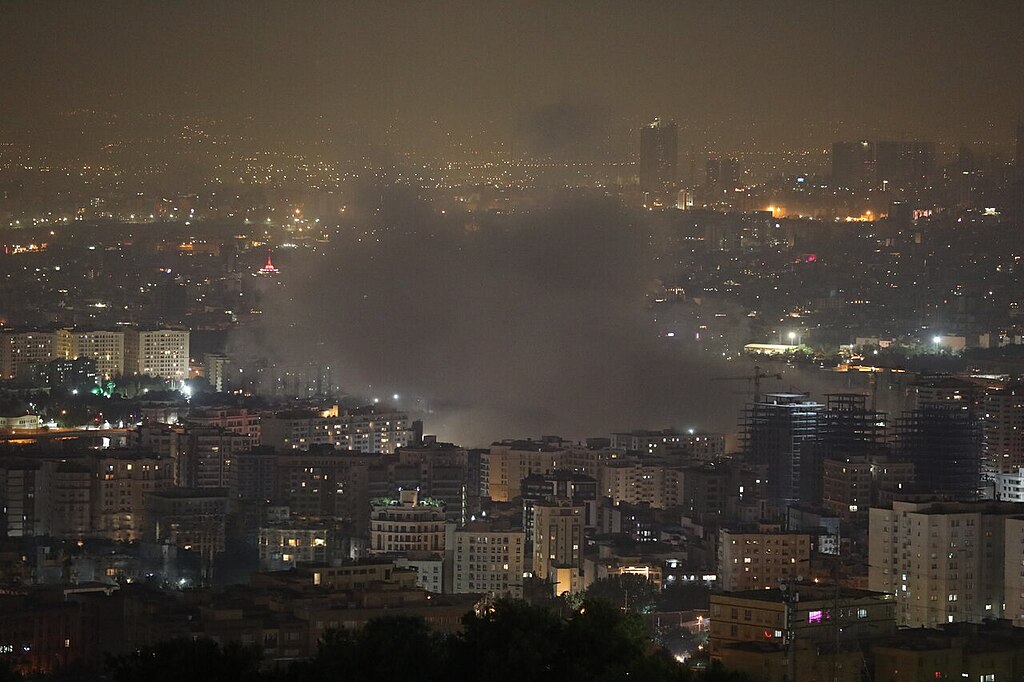
A new wave of Israeli military strikes hit Tehran on Friday, one day after U.S. President Donald Trump explicitly warned Israeli Prime Minister Benjamin Netanyahu against targeting Iranian energy infrastructure. The move signals a deepening rift between Washington and Tel Aviv over war strategy, even as both nations remain jointly engaged in the ongoing conflict with Iran.
The broader Israel-Iran war, which erupted on February 28 following the collapse of nuclear deal negotiations, has now claimed thousands of lives, destabilized neighboring countries, and sent shockwaves through the global economy. Bahrain, Kuwait, and the United Arab Emirates all reported missile attacks in the early hours of Friday, continuing a pattern of Iranian retaliatory strikes on Gulf energy assets.
Energy markets have been severely disrupted. Iran struck Qatar's Ras Laffan Industrial City — responsible for processing approximately one-fifth of the world's liquefied natural gas — causing damage that experts say could take three to five years to repair. QatarEnergy's CEO confirmed the attack wiped out roughly one-sixth of Qatar's LNG export capacity, valued at $20 billion annually. Saudi Arabia's key Red Sea port was also hit Thursday.
Oil prices initially surged but eased Friday after major economies including the United Kingdom, France, Germany, Canada, and Japan pledged support for securing safe passage through the Strait of Hormuz, a critical chokepoint for about 20 percent of global oil supply.
Trump, facing domestic political pressure over rising fuel costs ahead of November's midterm elections, stated he had told Netanyahu not to attack energy infrastructure again — a directive Netanyahu later acknowledged but seemed to have disregarded.
Director of National Intelligence Tulsi Gabbard highlighted the strategic disconnect, noting that Israeli and American war objectives in the Iran conflict remain fundamentally misaligned.







