


 New Mexico Measles Outbreak Cost Reached $5.4 Million, Study Finds
  GLP-1 Weight-Loss Drug Use Surges Among U.S. Children
  Hims & Hers Shares Fall as GLP-1 Costs Widen Q2 Loss
  FDA Weighs Safety Standards for Psychedelic Therapies
  Trump Signs Order to Cut Routine Childhood Vaccines
  Novartis M&A Strategy Faces Investor Scrutiny After Drug Setbacks
  The government is ‘doubling down’ on its social media ban. But bigger penalties for platforms aren’t enough
  3 clinical-grade skincare creams you really shouldn’t buy online
  AstraZeneca Halts Phase III Volrustomig Lung Cancer Trial After Efficacy Setback
  U.S. Issues Cuba Health Alert as Illnesses Rise
  Hanmi Pharm Soars 30% on $2.3 Billion Genentech Obesity Drug Deal
  Novo Nordisk Strikes €1.17 Billion Nanexa Drug Delivery Deal
  Moderna Short Sellers Hit With $4.8 Billion Loss as Stock Soars


 Add as a preferred source on Google
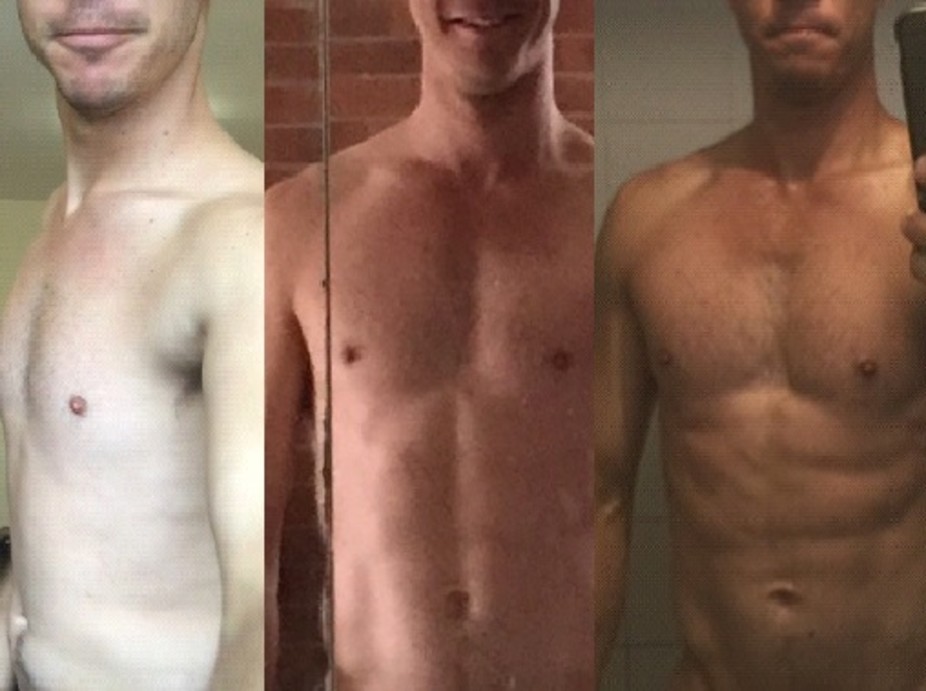
Most Australians are familiar with the Cancer Council’s slogans reminding us to “slip, slop, slap”, and that “there’s nothing healthy about a tan”.
Now a controversial injectable tanning agent Melanotan is growing in popularity. But how safe is it, and can it protect us from the sun’s damage?
What is Melanotan?
Known as “Mel”, “MT” or “the Barbie drug”, Melanotan is a synthetic melanocortin, which is a hormone derived from the pituitary gland at the base of the brain that regulates growth and development.
It helps to accelerate the production of melanin, the pigment that absorbs ultraviolet radiation and gives skin its colour. When delivered by injection over the course of as little as a week, Melanotan has the effect of (semi-permanently) darkening the skin, as though tanned by the sun.
First developed in the 1980s by researchers at the University of Arizona, Melanotan is principally used for the treatment of skin disorders including vitiligo and erythropoietic protoporphyria that affect skin appearance and sensitivity (especially to sunlight). By promoting melanin in the skin, Melanotan can help ease the symptoms of these conditions and enable those diagnosed to live a more normal life.
However, Melanotan’s tanning capability and potential use as a “natural” photoprotectant (that helps to prevent damage caused by sunlight) has also received much public interest, and led to its appropriation as a lifestyle drug.
The logic behind this trend is that creating tanned skin (by increasing melanin) with minimal to no sun exposure could protect individuals from skin damage, and even potentially lower melanoma risk. More melanin means more protection from UV radiation, and therefore a healthier (and conveniently, deeper) complexion. In this sense, there is perhaps a kernel of truth to the idea of the “healthy glow”.
Is it safe to use?
Clinical trials of the safety and effectiveness of Melanotan are ongoing, but in 2008 the European Medicines Agency approved a blend of the peptide called Scenesse to be marketed for limited prescription-only use by those with specific skin conditions throughout the European Union.
However, there are no published clinical trials of the drug among people without these disorders. This means its long-term efficacy and safety for use in the general population is unknown.
In Australia, Melanotan use is unregulated. Although the drug is currently captured in Schedule 4 (prescription only medications) of the Therapeutic Goods Administration’s Poisons Standard, no products containing Melanotan are registered for use in Australia.

A sun tan does offer some protection from UV rays. Brittney Bush Bollay/Flickr, CC BY
This means while there are rumours of some practitioners prescribing the drug, most practitioners warn against – and will not prescribe – Melanotan for aesthetic or lifestyle purposes.
There are currently no population-based studies on Melanotan to indicate the extent of its use, however, there are reports of its increased off-label use in the UK.
The majority of users source the drug via “underground” online vendors at costs ranging from A$30-50 for a one-month supply, and self-administer the injections at home. Users report a range of short-lived side effects including facial flushing, nausea, temporary freckling and darkening of moles, and in some males, spontaneous erections.
Considering Australia’s reputation for more skin cancers than almost anywhere in the world, the ways in which Australians respond to “melanotanning” will be intriguing.
There is a possibility Melanotan may some day present a viable solution to achieving a “healthy tan” in line with current western beauty ideals. But it also creates new forms of risk concerning needle safety, unsettling patient-practitioner relationships via unregulated use, and the subversion of public health messages that groups such as Cancer Council Australia have worked for decades to promote.
 This article is authored by a PhD Candidate and her supervisory team at University of Queensland, and reflects the interests of the student’s doctoral project in undertaking the nation’s first qualitative study into experiences of Melanotan use among the general population. Dubbed ‘Project Melanotan’, the investigation aims to directly engage with ‘melanotanners’ in a non-judgemental environment, in an effort to both critically evaluate as well as understand lived experiences of melanotaning as they relate to conceptually relevant notions of risk, technology and the body.
Rebecca Olson has received funding in the past from Cancer Australia and Cancer Council ACT, for research into the experiences of carers of cancer patients.
Stephanie Raymond, Sociology PhD Candidate, The University of Queensland
Rebecca Olson, Senior Lecturer School of Social Science, The University of Queensland
This article was originally published on The Conversation. Read the original article.







