


 Iran Vows ‘Crushing’ Response as US Talks Continue
  Trump Meets Venezuela’s Delcy Rodriguez at UN Assembly
  Taiwan Vows to Advance US Arms Sales Ahead of Trump-Xi Meeting
  Ghana Says Western Support Growing for Slave Trade Reparations
  US, China Extend Trade Truce to Jan. 10 Ahead of Trump-Xi Summit
  Lula and Flavio Bolsonaro Tied in Brazil Runoff Poll
  Canada Unveils Bill to Fast-Track Major Resource Projects
  Trump Says ‘Freedom’ Is Coming to Cuba
  Europe Warns Russia Is Escalating Hybrid Attacks Across NATO
  Russian Envoy Dmitriev Heads to US for Ukraine Talks
  Russian Strikes Kill Eight Across Ukraine as Energy Sites Hit
  Vietnam, US Trade Deal Could Be Signed Soon, To Lam Says
  South Korea, US Discuss Warship Building Cooperation
  Scott Bessent Eyed as Trump’s New AI Czar
  China Tightens Fentanyl Rules Ahead of Trump-Xi Summit
  Macron Challenges Trump’s Gaza Peace Claims at UN
  Gaza Faces Evacuation Crisis as War-Damaged Buildings Risk Collapse


 Add as a preferred source on Google
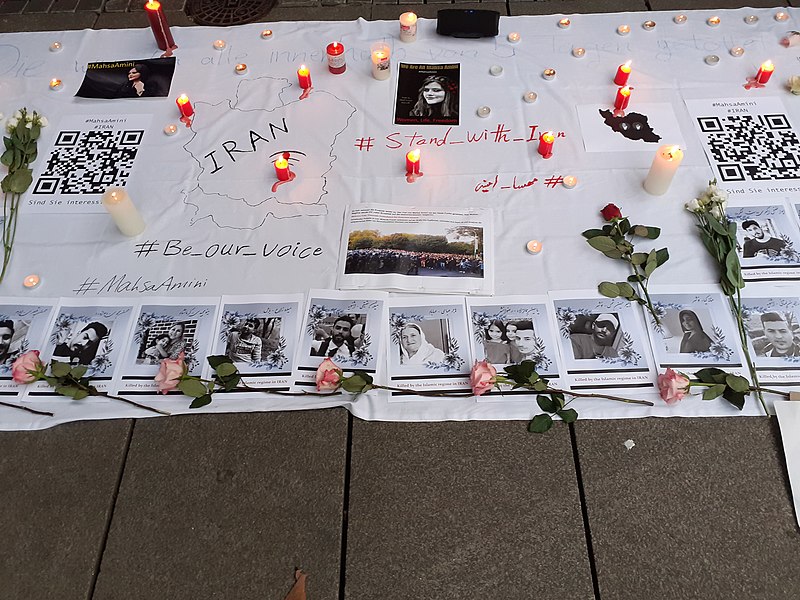
Iran has been under unrest for a month since the death of a woman in the custody of its Morality Police. Tehran is set to find itself at odds with the European Union as the bloc is expected to finalize its sanctions over the Islamic Republic’s handling of the ongoing protests.
Iran and the European Union are bound to be at odds with each other, especially as the bloc prepares to finalize its human rights sanctions on Tehran for the response to the demonstrations. The EU’s foreign ministers would finalize the sanctions in a meeting in Luxembourg on Monday.
Tehran has already indicated that it will respond if the bloc joins the United States, the United Kingdom, and Canada in imposing sanctions. Iranian foreign minister Hossein Amirabdollahian warned the European foreign ministers that it would take “reciprocal action” should the bloc impose sanctions on individuals and entities.
Last week, Politico reported that Tehran also privately warned the EU, including sending letters to European ambassadors and the bloc’s foreign policy chief Josep Borrell to warn of the “detrimental impact on Iran-Europe relations” the penalties would have.
Nevertheless, French foreign minister Catherine Colonna, who also spoke with her Iranian counterpart on the same week, told French lawmakers the sanctions would continue despite pressure from Tehran.
The conflict comes as the bloc has also served as a mediator in the indirect negotiations between Iran and the US over restoring the nuclear deal. There has been a lack of progress in the resumed discussions so far, as the upcoming November midterm elections in the US and the ongoing protests in Iran would make a revival of the agreement unlikely at this time.
The death of 22-year-old Mahsa Amini in the custody of the Morality Police sparked widespread protests. Amini was arrested for the improper wearing of the hijab and died three days later. Officials claimed that Amini was suffering from health issues, which were refuted by Amini’s family, who suspect mistreatment as the cause.
Tehran sought to accuse Washington of instigating the protests.
Iranian President Ebrahim Raisi accused US President Joe Biden of “inciting chaos” when Biden expressed support for the demonstrations, echoing the accusation on Washington levied by Supreme Leader Ali Khamenei.
“The remarks of the American president – who is inciting chaos, terror, and the destruction of another country – serve as a reminder of the eternal words of the founder of the Islamic Republic who called America the Great Satan,” said Raisi, referring to the late Ayatollah Ruhollah Khomenei.







