


 China Tightens Fentanyl Rules Ahead of Trump-Xi Summit
  Trump Meets Venezuela’s Delcy Rodriguez at UN Assembly
  US Officials Split Over Response to Israeli West Bank Settlements
  Marco Rubio to Meet Russia’s Lavrov in New York
  Gaza Faces Evacuation Crisis as War-Damaged Buildings Risk Collapse
  Trump Board of Peace Unveils $2.45 Billion Gaza Recovery Plan
  Russian Strikes Kill Eight Across Ukraine as Energy Sites Hit
  Vietnam, US Trade Deal Could Be Signed Soon, To Lam Says
  US, China Extend Trade Truce to Jan. 10 Ahead of Trump-Xi Summit
  Lula and Flavio Bolsonaro Tied in Brazil Runoff Poll
  Kremlin Says No Grounds Yet for Ukraine Peace Talks
  Iran Vows ‘Crushing’ Response as US Talks Continue
  Burnham Eyes UK Leadership Role in AI Ahead of Trump Meeting
  Trump Says ‘Freedom’ Is Coming to Cuba
  Venezuela Promises Elections as Delcy Rodriguez Pledges Democratic Transition
  Scott Bessent Eyed as Trump’s New AI Czar
  Sudan Rejects US Legitimacy Remarks, Defends Sovereignty


 Add as a preferred source on Google
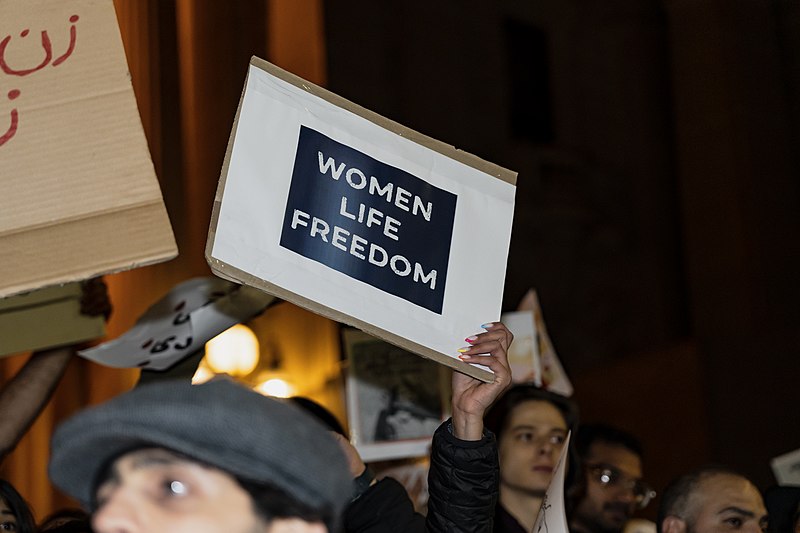
Iranian officials said they had incited dozens of people they suspect of inciting the “riots” as the widespread protests over the death of 22-year-old Mahsa Amini continue in the country. This follows orders by the country’s judiciary chief along with warnings by authorities to those who participate in the demonstrations.
Tehran prosecutor general Ali Salehi said Wednesday that 60 indictments were issued for “rioters” in the Iranian capital, according to state media outlet IRNA news agency. Local judiciary chief Mojtaba Ghahremani said 65 indictments were issued in the province of Hormozgan, and an additional 13 arrest warrants were implemented.
The officials said the individuals that were indicted were responsible for “creating illegal gatherings, arson, and violation of a number of government and private places.”
The indictments also follow the country’s judiciary chief Gholam Hossein Mohseni-Ejei’s earlier order across the country to fast-track cases of people who were arrested in connection to the “riots.” Last week, a top security official also issued warnings to participants in the protests.
“Anyone who is arrested at the scene of the riots will not be freed under any circumstances until the time of their trial, which will be held quickly and will issue assertive and deterring sentences,” said the Iranian interior ministry deputy for security and police affairs Majid Mirahmadi.
Despite the warnings, authorities have said that many of those that were arrested during the protests, including students, were released after signing declarations that they would not take part in the demonstrations again. Dozens are also believed to have been killed, and more were arrested in the protests, but authorities have not released an official tally.
Widespread protests have been taking place in Iran since mid-September following the death of Amini in the custody of the country’s Morality Police. Amini was detained by the Morality Police for “inappropriate attire.”
Iran’s security forces have since ramped up their crackdown on the protests in many cities in Iran’s Kurdish region, as the protests were previously reported to spread into the energy sector.
Unconfirmed reports said workers from oil refineries and a petrochemical plant joined in the protests in one of the biggest challenges to Iran’s rulers since the 1979 Revolution, where oil workers and Bazaar merchants played a big role.







