


 North Korea Rejects Nuclear Test Warning, Calls Nuclear Status Irreversible
  Ukrainian Drone Attacks Hit Russian Regions, Injuring at Least 12
  US Senate Rejects Iran War Powers Resolution in 50-49 Vote
  NATO Boosts Intelligence Sharing Amid Russia Hybrid Threats
  Ghana Says Western Support Growing for Slave Trade Reparations
  US Backs Musk in Fight Against EU’s €120 Million X Fine
  Abbas Reaffirms November 28 Palestinian Elections
  Sudan Rejects US Legitimacy Remarks, Defends Sovereignty
  Trump Asks Supreme Court to Restore Third-Country Deportations
  Netanyahu’s Brief US Trip Highlights Strains With Trump
  South Korea, US Discuss Warship Building Cooperation
  Saudi Arabia, Turkey and Pakistan Plan Urgent Defence Talks Over Houthi Attacks
  Kremlin Says No Decision Yet on Putin-Trump December Summit
  Xi Calls for Deeper U.S.-China AI Cooperation in Trump Talks
  Najib Razak Seeks Stay of 15-Year 1MDB Prison Sentence
  Mexico-US Trade Talks Delayed to October as Tariff Negotiations Continue
  North Korea Warns South Korea Over US-Led Defense Role


 Add as a preferred source on Google
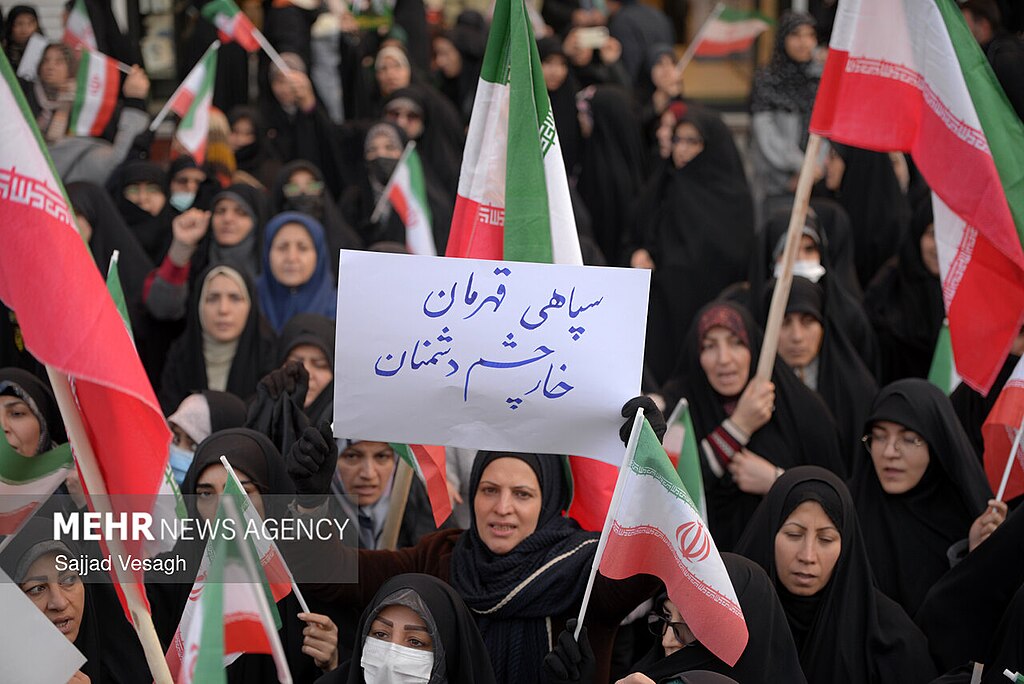
Iran has issued a strong warning to the United States, stating that any military attack on its territory would be treated as an all-out war, as tensions escalate ahead of the arrival of a U.S. aircraft carrier strike group and other military assets in the Middle East. A senior Iranian official, speaking anonymously on Friday, said the country’s armed forces are on the highest level of alert and fully prepared for a worst-case scenario.
According to the official, Iran hopes the U.S. military buildup is not intended to provoke a direct confrontation. However, Tehran views the movement of American forces as a serious threat. The official emphasized that Iran would not differentiate between types of military action, saying that any strike—whether described as limited, surgical, or kinetic—would be met with a severe and comprehensive response.
U.S. President Donald Trump said on Thursday that an “armada” of U.S. forces was heading toward Iran but added that he hoped military action would not be necessary. He also reiterated warnings to Tehran over potential actions such as harming protesters or restarting its nuclear program. These remarks have further heightened concerns about a possible military conflict between the United States and Iran.
The Iranian official stated that any violation of Iran’s sovereignty or territorial integrity would trigger retaliation, although he declined to provide details about what form that response might take. He added that Iran, facing constant military pressure from the United States, has no choice but to ensure all defensive and deterrent capabilities are ready for use to counter any attack and restore strategic balance in the region.
The U.S. military has a history of deploying additional forces to the Middle East during periods of increased tension, often framing such moves as defensive. However, last year’s significant U.S. military buildup preceded strikes on Iran’s nuclear facilities, adding to Iranian concerns. As U.S.-Iran tensions rise again, the risk of miscalculation and wider conflict in the Middle East remains a key concern for regional and global security.







