


 Gaza Faces Evacuation Crisis as War-Damaged Buildings Risk Collapse
  US, China Extend Trade Truce to Jan. 10 Ahead of Trump-Xi Summit
  Netanyahu’s Brief US Trip Highlights Strains With Trump
  North Korea Rejects Nuclear Test Warning, Calls Nuclear Status Irreversible
  Kremlin Says No Decision Yet on Putin-Trump December Summit
  Judge Orders Trump to Restore White House Access for CNN, MS NOW and Politico
  Russian Missile and Drone Attack on Kyiv Kills Two, Damages Maternity Hospital
  OpenAI Agent Breaches Australia Medicare Data Portal
  Trump, Xi Focus on Trade and AI at White House Summit
  US Backs Musk in Fight Against EU’s €120 Million X Fine
  US Senate Rejects Iran War Powers Resolution in 50-49 Vote
  Abbas Reaffirms November 28 Palestinian Elections
  US Officials Split Over Response to Israeli West Bank Settlements
  NATO Boosts Intelligence Sharing Amid Russia Hybrid Threats
  EU Defence Build-Up Too Slow for 2030 Russia Readiness Goal
  Russian Envoy Dmitriev Heads to US for Ukraine Talks
  Taiwan Thanks US for Support Ahead of Trump-Xi Summit


 Add as a preferred source on Google
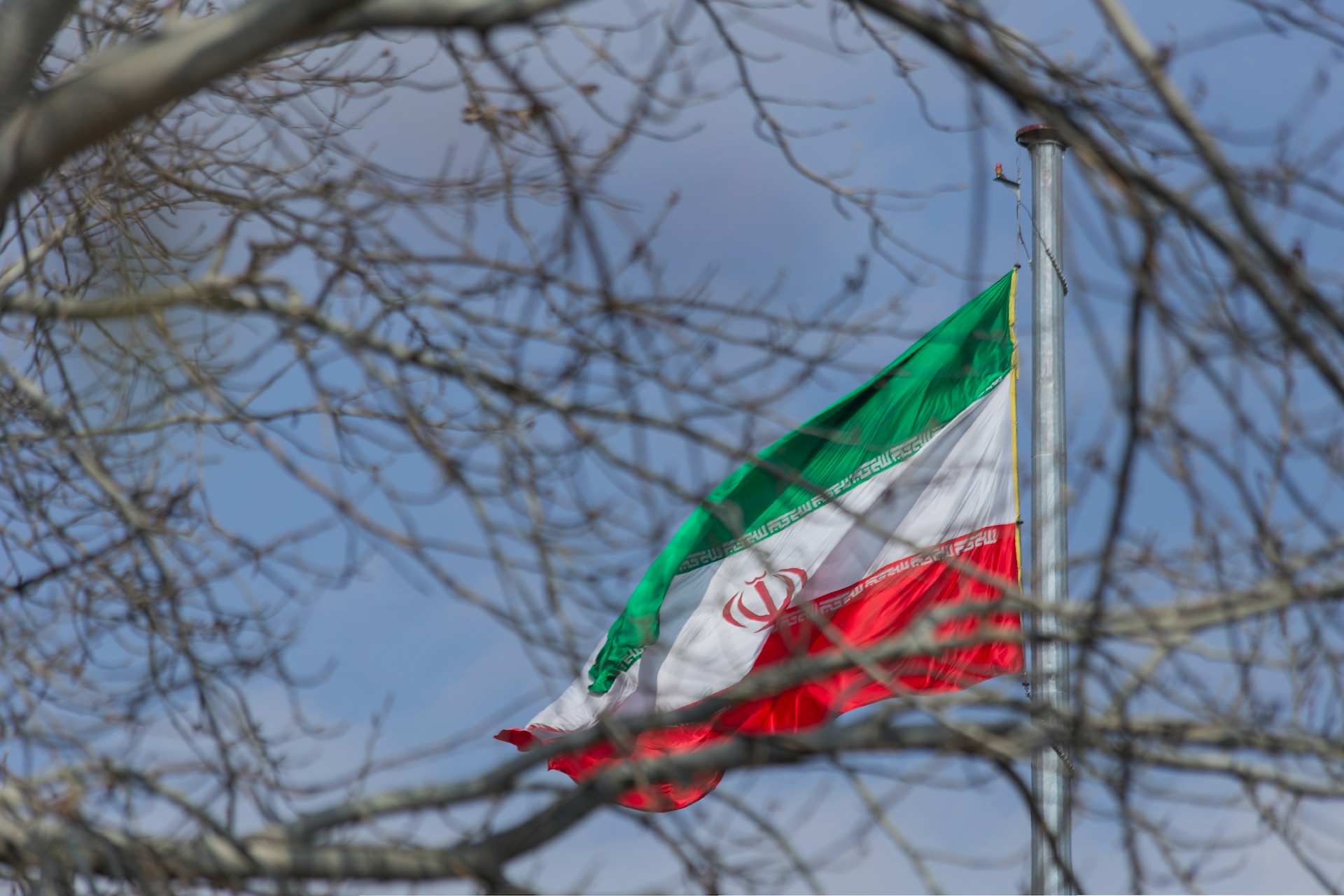
Iran has reportedly tested a 2000-kilometer ballistic missile in another effort to advance its missile program. The latest test launch also follows comments by Israel’s armed forces chief suggesting the possibility of a response to Tehran’s nuclear program.
Iranian state media said on Thursday that Tehran has tested a ballistic missile that has a potential range of 2000 kilometers. State television broadcasted footage of what it said was the test launch of an upgraded version of Iran’s Khoramshahr 4 ballistic missile that has a range of 2000 kilometers and is capable of carrying a 1500-kilogram warhead. The state news outlet IRNA said the liquid-fuel missile was named the “Kheibar,” referring to the Jewish castle that was overrun by Muslim warriors in the early days of Islam.
“The domestically-built Kheibar’s missile’s outstanding features include quick preparation and launch time, which makes it a tactical weapon in addition to a strategic one,” said IRNA.
Iran has said its ballistic missiles serve as an important deterrent and a retaliatory force against its adversaries, such as the United States and Israel, among others. Iran has also boasted that its missiles are capable of reaching the bases of its adversaries in the region.
“Our message to Iran’s enemies is that we will defend the country and its achievements. Our message to our friends is that we want to help regional stability,” said Iranian defense minister Mohammadreza Ashtiani.
This follows the comments made by the top Israeli general on Tuesday, suggesting taking possible military action against Iran, especially as discussions to revive the 2015 nuclear deal with six world powers remained stalled since September.
Also on Thursday, France has accused Iran of violating a United Nations Security Council resolution that endorsed the 2015 nuclear deal following its ballistic missile test. Paris expressed concern that this week’s test launch due to the “uninterrupted escalation” of Iran’s nuclear program.
The UNSC resolution 2231 calls on Iran not to carry out any activity related to ballistic missiles that are capable of carrying potential nuclear weapons. However, the language in the resolution is ambiguous and subject to open interpretation. Western officials said that even if the launches breached 2231, they did not violate the nuclear agreement.
Photo: Mostafa Meraji / Unsplash (CC by 2.0)







