


 Judge Orders Trump to Restore White House Access for CNN, MS NOW and Politico
  Ukrainian Drone Attacks Hit Russian Regions, Injuring at Least 12
  US Backs Musk in Fight Against EU’s €120 Million X Fine
  North Korea Rejects Nuclear Test Warning, Calls Nuclear Status Irreversible
  What ‘Taiwan Independence’ Means as Xi Presses Trump on US Policy
  Kremlin Says No Decision Yet on Putin-Trump December Summit
  Russian Missile and Drone Attack on Kyiv Kills Two, Damages Maternity Hospital
  Sudan Rejects US Legitimacy Remarks, Defends Sovereignty
  Abbas Reaffirms November 28 Palestinian Elections
  Xi Calls for Deeper U.S.-China AI Cooperation in Trump Talks
  France Defends Netanyahu Airspace Clearance Despite ICC Warrant
  North Korea Warns South Korea Over US-Led Defense Role
  Pezeshkian Says US Must Choose When Iran War Ends
  US Senate Rejects Iran War Powers Resolution in 50-49 Vote
  Trump, Xi Visit US National Archives After White House Summit
  EU Defence Build-Up Too Slow for 2030 Russia Readiness Goal
  Yemen Violence Displaces 130,000 as Civilian Toll Rises


 Add as a preferred source on Google
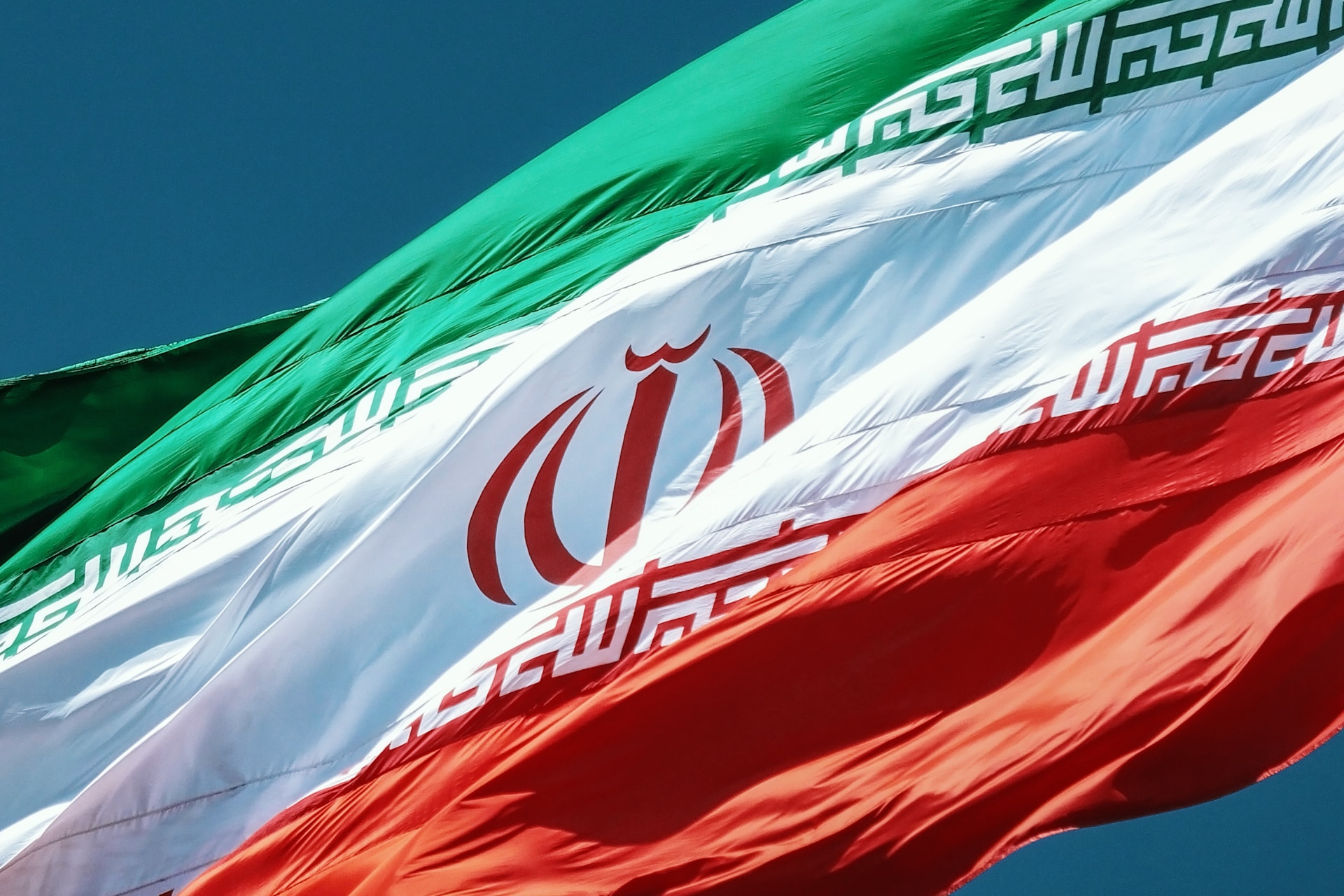
Iran has firmly rejected ceasefire negotiations while under Israeli attack, according to a source familiar with recent diplomatic efforts. Mediators from Qatar and Oman were informed by Iranian officials that Tehran will only consider talks once it has completed its military response to what it calls Israeli “pre-emptive strikes.”
“Iran made clear it will not negotiate under fire,” the official told Reuters, speaking anonymously due to the sensitivity of the conflict. Contrary to earlier media claims, Iran has not requested Qatar or Oman to engage the U.S. for ceasefire talks or revive nuclear negotiations at this stage.
The situation follows Israel’s surprise offensive on Friday, which reportedly eliminated several senior Iranian military figures and targeted key nuclear infrastructure. Israeli authorities have signaled that the campaign will intensify, heightening fears of a broader regional war.
In retaliation, Iran has vowed to “open the gates of hell,” raising alarms of an unprecedented escalation between the two longtime adversaries. The standoff comes as international efforts to revive U.S.-Iran nuclear diplomacy remain frozen. A scheduled round of nuclear talks in Oman was abruptly canceled following the Israeli airstrikes.
Both Oman and Qatar have historically played crucial mediating roles in regional diplomacy. Qatar recently brokered a prisoner exchange between Iran and the U.S. in 2023, while Oman has hosted several rounds of nuclear negotiations in recent years. The two Gulf states maintain strong ties with Tehran, Washington, and Jerusalem, making them key players in any future peace efforts.
However, with Iran prioritizing military retaliation over dialogue, the prospects for de-escalation appear dim in the near term. Neither Iran’s Foreign Ministry nor the governments of Qatar and Oman responded to Reuters' request for comment on the latest developments.







