


 Gaza Faces Evacuation Crisis as War-Damaged Buildings Risk Collapse
  Netanyahu Takes Aim at Mamdani as Israel Election Nears
  Sudan Rejects US Legitimacy Remarks, Defends Sovereignty
  Judge Orders Trump to Restore White House Access for CNN, MS NOW and Politico
  Ghana Says Western Support Growing for Slave Trade Reparations
  Trump Administration Plans Faster FDA Reviews for Smoke-Free Nicotine Products
  US Invites Putin to Miami G20, Opening Door to Trump Summit
  Russian Envoy Dmitriev Heads to US for Ukraine Talks
  China Tightens Fentanyl Rules Ahead of Trump-Xi Summit
  US, China Extend Trade Truce to Jan. 10 Ahead of Trump-Xi Summit
  Macron Challenges Trump’s Gaza Peace Claims at UN
  Marco Rubio to Meet Russia’s Lavrov in New York
  Venezuela Promises Elections as Delcy Rodriguez Pledges Democratic Transition
  Lula and Flavio Bolsonaro Tied in Brazil Runoff Poll
  US Officials Split Over Response to Israeli West Bank Settlements
  Trump to Press Xi on Release of US Nuclear Expert Held in China
  Russian Missile and Drone Attack on Kyiv Kills Two, Damages Maternity Hospital


 Add as a preferred source on Google
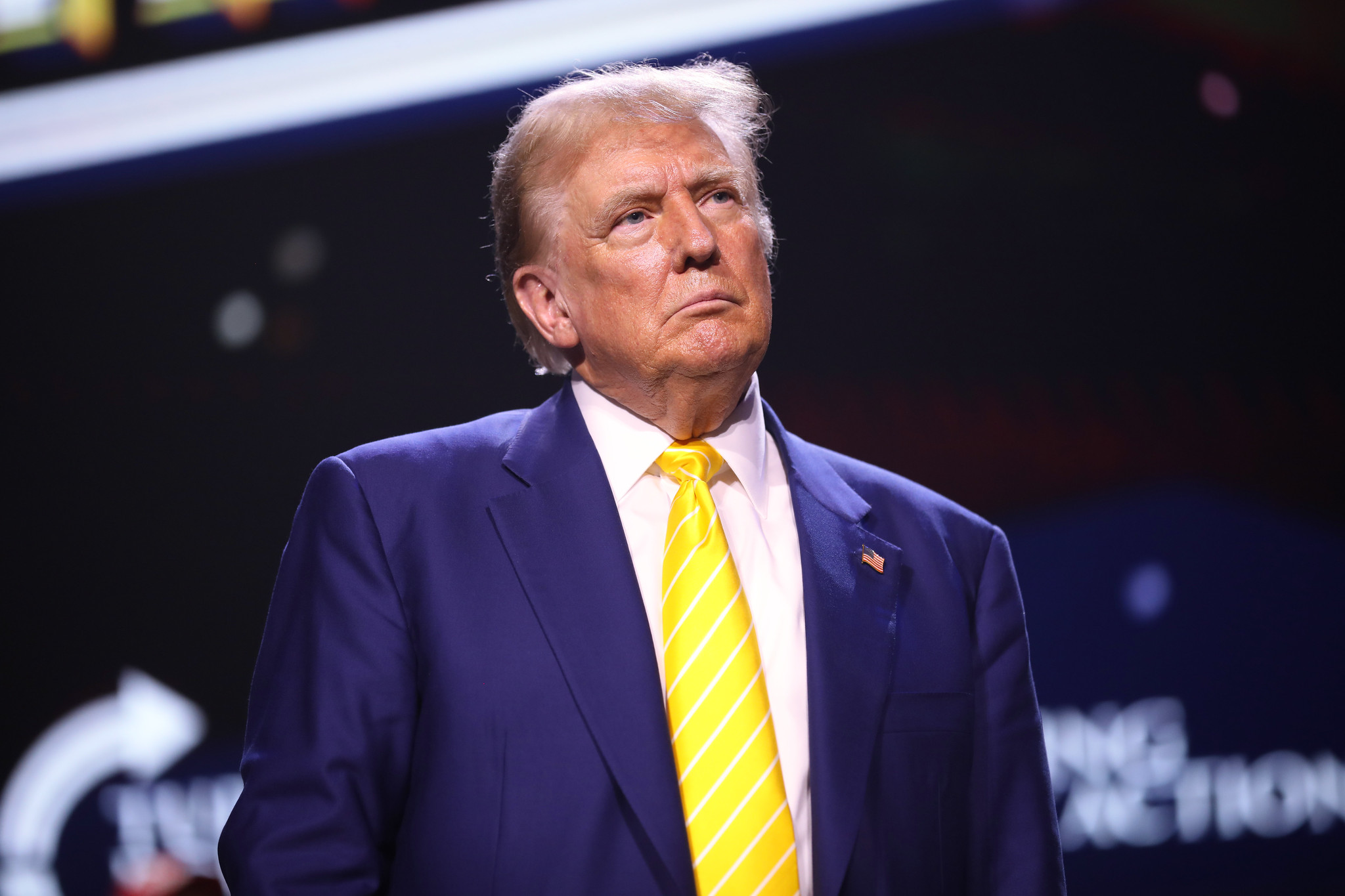
Former President Donald Trump has accused the Organization of the Petroleum Exporting Countries (OPEC) of deliberately lowering oil prices to favor Vice President Kamala Harris, suggesting that her presidency could spell disaster for the United States. Trump's remarks came in a fiery post on his social media platform, Truth Social, where he alleged that OPEC nations are manipulating the market to influence the upcoming election.
Trump’s comments follow a noticeable decline in oil stocks, coinciding with speculation that Harris if elected, would implement stricter policies on the oil and gas industry. This development came after President Biden announced he would not seek re-election in 2024 and endorsed Harris as the Democratic presidential nominee.
Data from Benzinga Pro shows that the price of WTI Crude has dropped from $78.64 to $75.43 since Harris's nomination. Major oil companies such as Chevron Corp, Marathon Oil, Exxon Mobil, ConocoPhillips, and EOG Resources have all declined. ETFs tied to the oil sector, including the United States Oil Fund, SPDR Select Sector Fund – Energy Select Sector, Vanguard Energy ETF, and iShares U.S. Energy ETF, are also under pressure.
The former president warned that a Harris administration could usher in policies focused on climate change, such as reducing carbon emissions and increasing funding for renewable energy projects. Such measures could lead to higher compliance costs and stricter regulations for the oil industry, potentially impacting its profitability.
In a report from Citi, analysts suggested that a Trump presidency might be "net bearish" for oil prices due to his oil-friendly policies and potential tariffs, which could increase oil supply and lower prices. However, the report also noted that Trump's maximum pressure campaign on Iran could reduce Iranian oil exports by 500 to 900 thousand barrels daily, affecting global markets.
Goldman Sachs recently warned that the next U.S. administration would have limited options to significantly boost domestic oil supply due to low strategic petroleum reserves and potential regulatory easing. This context further complicates the oil market outlook amid political shifts.
The United States has been producing record amounts of oil, averaging 12.9 million barrels per day in 2023. This surge in production has raised concerns about a potential glut, similar to the oversupply experienced during the 2020 COVID lockdown period.
Trump's contentious relationship with OPEC is not new. In April 2018, he criticized the organization for driving oil prices "artificially very high," a move he deemed unacceptable. His recent allegations against OPEC reflect ongoing tensions and the high stakes of the upcoming presidential election.







