


 Trump to Press Xi on Release of US Nuclear Expert Held in China
  Zelenskiy Warns Russia Preparing Major Attack on Ukraine
  Paramount-Warner Bros $110 Billion Deal Draws Antitrust Backlash
  Taiwan Vows to Advance US Arms Sales Ahead of Trump-Xi Meeting
  Russian Strikes Kill Eight Across Ukraine as Energy Sites Hit
  US, Denmark and Greenland Set to Sign Arctic Security Deal
  Trump Scales Back Endangered Species Act Protections
  Carney Condemns Belleville Synagogue Shooting That Wounded Police Officer
  Burnham Eyes UK Leadership Role in AI Ahead of Trump Meeting
  Kremlin Says No Grounds Yet for Ukraine Peace Talks
  Canada Unveils Bill to Fast-Track Major Resource Projects
  Trump Says ‘Freedom’ Is Coming to Cuba
  Marco Rubio to Meet Russia’s Lavrov in New York
  Zelenskiy Meets CIA Chief John Ratcliffe at Ireland’s Shannon Airport
  Iran Vows ‘Crushing’ Response as US Talks Continue
  Scott Bessent Eyed as Trump’s New AI Czar
  Trump Board of Peace Unveils $2.45 Billion Gaza Recovery Plan


 Add as a preferred source on Google
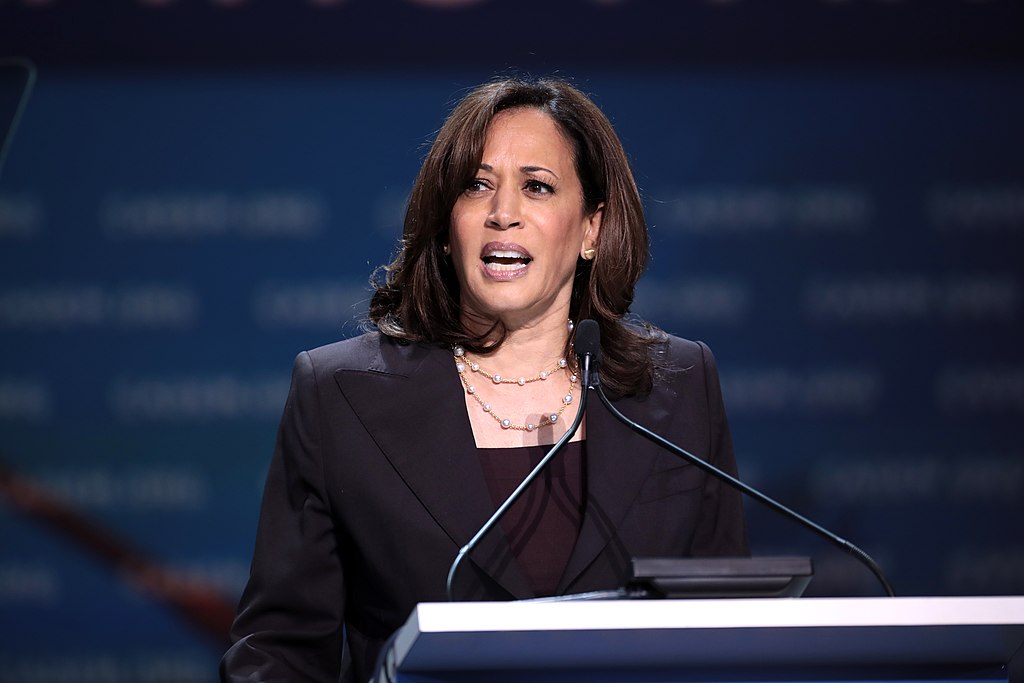
Kamala Harris is at the center of a new controversy. Accusations have emerged that her presidential campaign has been paying social media influencers to create posts and videos in her support. The scandal has raised questions about the authenticity of her online backing and the ethics of her campaign tactics.
The allegations suggest that Harris's campaign has engaged a company named Launch Viral to orchestrate a paid social media campaign. Advertisements purportedly run by this company have been circulating, offering influencers $150 plus additional incentives per post to generate supportive content for Harris on platforms like TikTok and Instagram.
These advertisements reportedly outline a specific set of instructions for influencers. They are encouraged to post memes using pre-approved assets, mention Kamala Harris in their posts, and use designated hashtags such as #kamalaharris and #harris2024. According to these ads, the aim is to create the illusion of organic support among Gen Z users, a demographic crucial for any modern political campaign.
This revelation has sparked a wave of criticism, with detractors arguing that such tactics undermine the integrity of political discourse and deceive the public about the level of genuine support for Harris. Critics contend that paying for social media endorsements represents a form of astroturfing, a practice where the appearance of grassroots support is artificially generated.
The accusations come at a critical time for Harris, the presumptive Democratic nominee, following President Joe Biden's withdrawal from the race. Her campaign has been striving to galvanize young voters, who are pivotal in shaping the narrative on social media platforms.
The controversy has not gone unnoticed by political opponents and commentators. Many have taken to social media to express their disdain, accusing Harris of being unlikable and unable to garner authentic support without financial incentives. Some argue this scandal reveals a broader strategy to manipulate public perception through orchestrated online campaigns.
The timing of these allegations is particularly sensitive as the 2024 presidential campaign intensifies. Harris’s camp has yet to comment on the matter officially, but the implications of these claims could have a lasting impact on her campaign. The use of paid influencers in political campaigns is not entirely new, but it remains a contentious issue, especially when voters highly value transparency and authenticity.
This development has added another layer of complexity to an already heated election cycle. While Harris's supporters argue that influencer marketing is a legitimate strategy in the digital age, critics insist that it distorts the democratic process by creating a false sense of popularity and support.
As the investigation into these claims unfolds, it remains to be seen how Harris’s campaign will respond and what measures, if any, will be taken to address the concerns raised. The controversy underscores the evolving nature of political campaigns in the digital era, where the battle for hearts and minds increasingly plays out on social media platforms.







