


 US Senate Rejects Iran War Powers Resolution in 50-49 Vote
  US Backs Musk in Fight Against EU’s €120 Million X Fine
  EU Defence Build-Up Too Slow for 2030 Russia Readiness Goal
  Sudan Rejects US Legitimacy Remarks, Defends Sovereignty
  Taiwan Thanks US for Support Ahead of Trump-Xi Summit
  Abbas Reaffirms November 28 Palestinian Elections
  Judge Orders Trump to Restore White House Access for CNN, MS NOW and Politico
  US, China Extend Trade Truce to Jan. 10 Ahead of Trump-Xi Summit
  US Officials Split Over Response to Israeli West Bank Settlements
  Russian Envoy Dmitriev Heads to US for Ukraine Talks
  Netanyahu’s Brief US Trip Highlights Strains With Trump
  Kremlin Says No Decision Yet on Putin-Trump December Summit
  North Korea Rejects Nuclear Test Warning, Calls Nuclear Status Irreversible
  NATO Boosts Intelligence Sharing Amid Russia Hybrid Threats
  North Korea Warns South Korea Over US-Led Defense Role
  US Invites Putin to Miami G20, Opening Door to Trump Summit
  Trump, Xi Focus on Trade and AI at White House Summit


 Add as a preferred source on Google
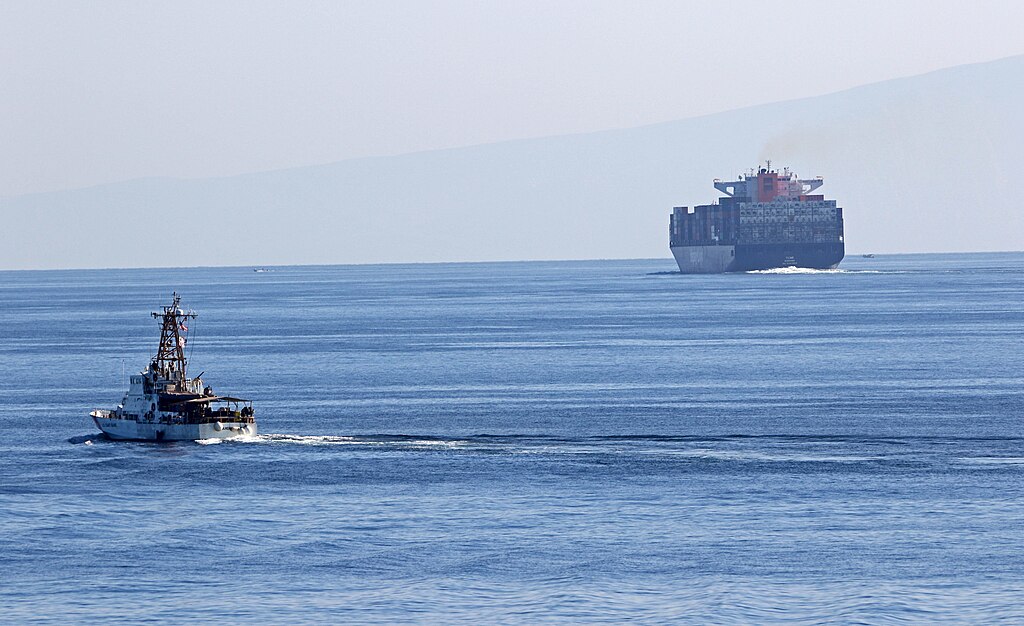
A source briefed by Tehran told Reuters that Iran may be willing to allow vessels to navigate freely through the Omani side of the Strait of Hormuz as part of ongoing ceasefire negotiations with the United States. The proposal marks a notable shift in Iran's stance following weeks of aggressive posturing over one of the world's most critical maritime corridors.
The offer comes in the aftermath of a conflict that has triggered the largest disruption to global oil and gas supplies in history. Since hostilities broke out on February 28, Iran has effectively blocked traffic through the strait, which facilitates roughly 20% of the world's oil and liquefied natural gas trade. Hundreds of tankers and approximately 20,000 crew members have remained stranded inside the Gulf throughout the crisis.
A two-week ceasefire took effect on April 8, and President Donald Trump indicated this week that a resolution may be near. However, control over the Strait of Hormuz continues to be a central sticking point in diplomatic efforts. The narrow waterway, just 34 kilometers wide between Iran and Oman, connects the Persian Gulf to the Indian Ocean and serves as a vital artery for Middle Eastern energy exports and other essential commodities like fertilizers.
Under the reported proposal, Tehran would permit ships to pass through Omani territorial waters without interference. Nevertheless, key questions remain unanswered, including whether Iran would remove any mines potentially placed in the area and whether Israeli-linked vessels would also be granted safe passage. The deal is also conditional on Washington agreeing to meet Tehran's broader demands.
The proposal represents the first concrete sign that Iran may be stepping back from more provocative positions, which previously included plans to levy tolls on ships and assert sovereign control over the international waterway — moves widely condemned by the global shipping community as violations of established maritime law.







