


 Trump, Xi Focus on Trade and AI at White House Summit
  North Korea Warns South Korea Over US-Led Defense Role
  Gaza Faces Evacuation Crisis as War-Damaged Buildings Risk Collapse
  Netanyahu’s Brief US Trip Highlights Strains With Trump
  Kremlin Says No Decision Yet on Putin-Trump December Summit
  Mexico-US Trade Talks Delayed to October as Tariff Negotiations Continue
  US, China Extend Trade Truce to Jan. 10 Ahead of Trump-Xi Summit
  US Officials Split Over Response to Israeli West Bank Settlements
  Yemen Violence Displaces 130,000 as Civilian Toll Rises
  US Invites Putin to Miami G20, Opening Door to Trump Summit
  Pezeshkian Says US Must Choose When Iran War Ends
  Europe Warns Russia Is Escalating Hybrid Attacks Across NATO
  South Korea, US Discuss Warship Building Cooperation
  US Backs Musk in Fight Against EU’s €120 Million X Fine
  US Senate Rejects Iran War Powers Resolution in 50-49 Vote
  Judge Orders Trump to Restore White House Access for CNN, MS NOW and Politico
  Russian Envoy Dmitriev Heads to US for Ukraine Talks


 Add as a preferred source on Google
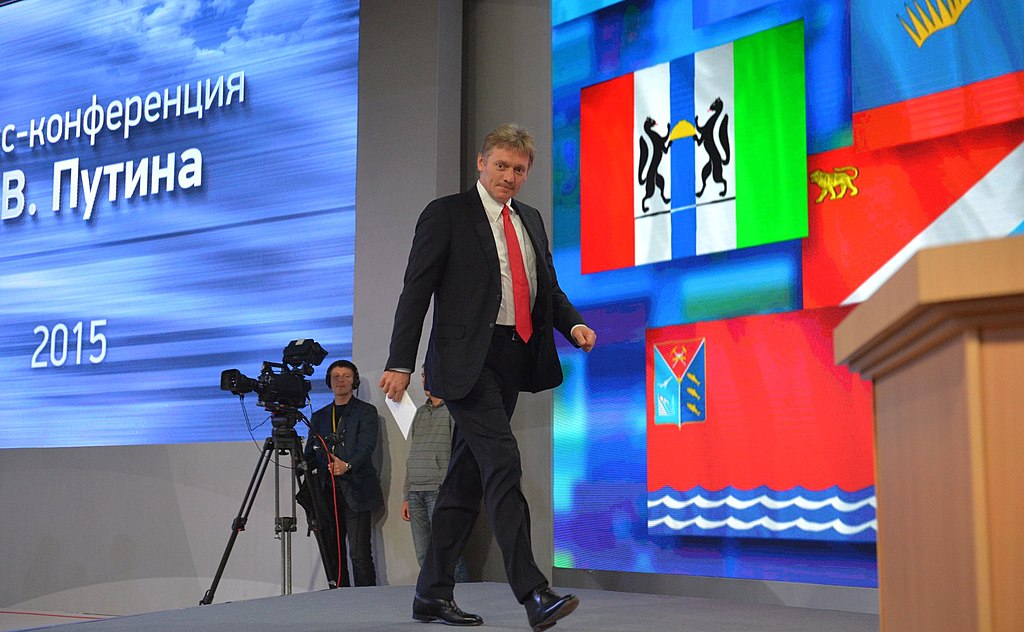
Kremlin spokesman Dmitry Peskov confirmed on Wednesday that the United States has turned down Russia's offer to remove Iran's stockpile of enriched uranium from the country — a diplomatic move that Moscow had positioned as a potential breakthrough in easing tensions over Iran's nuclear program.
Speaking to Indian television channel India Today through Russia's state news agency RIA, Peskov stated that Russia had been fully prepared to accept Iran's enriched uranium on its territory and convert it into civilian reactor fuel. He described the proposal as a constructive solution, expressing disappointment that Washington chose to reject it. "This would be a good decision. But unfortunately the American side rejected this proposal," Peskov was quoted as saying.
Russia originally floated this idea back in June of last year, when a Russian deputy foreign minister signaled Moscow's readiness to take custody of Iran's nuclear material and repurpose it for peaceful energy use. Despite gaining international attention at the time, the proposal never moved forward. Russia revived the offer this week, renewing hopes among some diplomats that a negotiated path forward could still be found.
U.S. sources cited by American news outlets confirmed that the Trump administration had ruled out the Russian-backed plan. Iran, for its part, has said that any agreement on its uranium stockpile would hinge on reaching a broader nuclear deal with Washington — one that addresses its wider nuclear ambitions and secures favorable terms for the country.
The United States has pointed to Iran's growing reserves of enriched uranium and the looming risk of nuclear weaponization as key justifications for its military actions against Iran. The rejection of Russia's proposal signals ongoing friction between global powers over how to handle one of the world's most sensitive geopolitical flash points.







