


 Netanyahu’s Brief US Trip Highlights Strains With Trump
  US, China Extend Trade Truce to Jan. 10 Ahead of Trump-Xi Summit
  NATO Boosts Intelligence Sharing Amid Russia Hybrid Threats
  France Defends Netanyahu Airspace Clearance Despite ICC Warrant
  Europe Warns Russia Is Escalating Hybrid Attacks Across NATO
  US Backs Musk in Fight Against EU’s €120 Million X Fine
  Pezeshkian Says US Must Choose When Iran War Ends
  EU Defence Build-Up Too Slow for 2030 Russia Readiness Goal
  US Senate Rejects Iran War Powers Resolution in 50-49 Vote
  Netanyahu Takes Aim at Mamdani as Israel Election Nears
  Russian Missile and Drone Attack on Kyiv Kills Two, Damages Maternity Hospital
  US Officials Split Over Response to Israeli West Bank Settlements
  Ghana Says Western Support Growing for Slave Trade Reparations
  Russian Envoy Dmitriev Heads to US for Ukraine Talks
  Yemen Violence Displaces 130,000 as Civilian Toll Rises
  Mexico-US Trade Talks Delayed to October as Tariff Negotiations Continue
  OpenAI Agent Breaches Australia Medicare Data Portal


 Add as a preferred source on Google
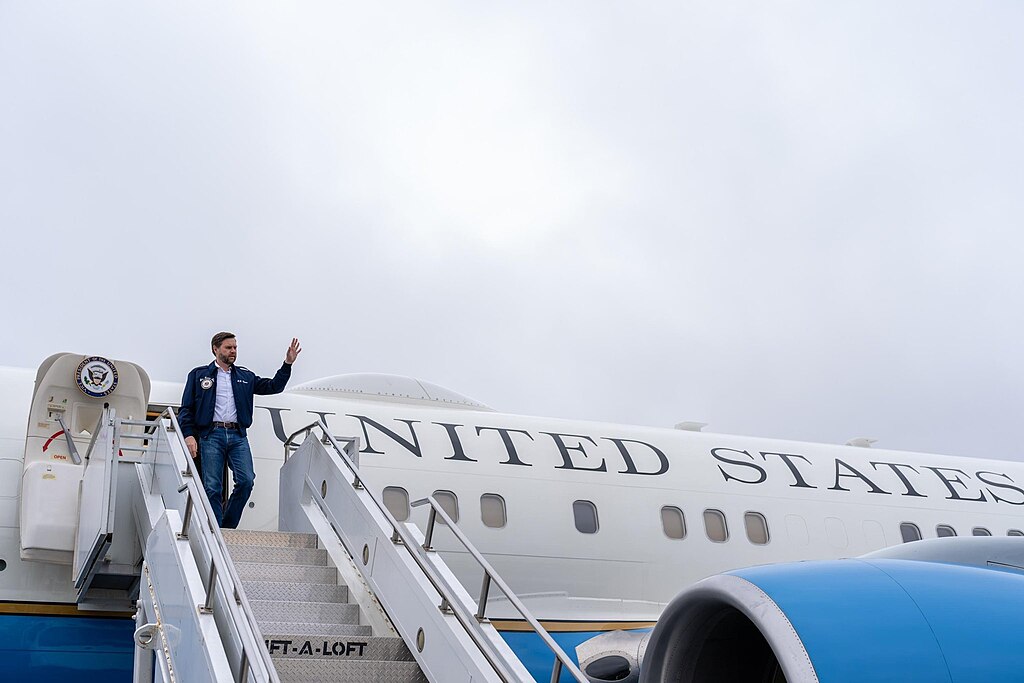
United States Vice President JD Vance expressed cautious optimism on Tuesday regarding ongoing diplomatic efforts between Washington and Tehran, acknowledging that decades of mistrust between the two nations cannot be resolved in a short period of time. Speaking at a Turning Point USA event, Vance confirmed that Iranian negotiators have demonstrated a genuine willingness to reach an agreement, stating that he feels "very good" about the current state of negotiations.
The diplomatic push comes amid a fragile ceasefire that has roughly one week remaining, following the breakdown of weekend peace talks that prompted the United States to impose a naval blockade on Iranian ports. President Donald Trump also signaled on Tuesday that renewed negotiations could take place in Pakistan within the coming days, raising hopes for a breakthrough in what has become one of the most consequential conflicts in recent memory.
Vance, who played a direct role in last weekend's discussions held in Pakistan, emphasized that while significant obstacles remain, both sides appear motivated to find a lasting resolution. His remarks reflect a measured but hopeful diplomatic tone as international pressure mounts to end the ongoing hostilities.
The conflict escalated after the United States and Israel launched coordinated strikes against Iran on February 28, triggering retaliatory Iranian attacks on Israeli territory and Gulf states housing American military installations. Since then, continued U.S.-Israeli airstrikes on Iran, combined with Israeli military operations across Lebanon, have resulted in thousands of casualties and the displacement of millions of civilians throughout the region.
With the temporary ceasefire still in effect, world leaders and international observers are closely watching whether the next round of talks in Pakistan will produce a concrete diplomatic framework capable of bringing the devastating conflict to an end.







