


 US Senate Rejects Iran War Powers Resolution in 50-49 Vote
  Ghana Says Western Support Growing for Slave Trade Reparations
  What ‘Taiwan Independence’ Means as Xi Presses Trump on US Policy
  OpenAI Agent Breaches Australia Medicare Data Portal
  Netanyahu Defends Israel at UN as Delegates Stage Walkout
  Trump Asks Supreme Court to Restore Third-Country Deportations
  NATO Boosts Intelligence Sharing Amid Russia Hybrid Threats
  Ukrainian Drone Attacks Hit Russian Regions, Injuring at Least 12
  Abbas Reaffirms November 28 Palestinian Elections
  EU Defence Build-Up Too Slow for 2030 Russia Readiness Goal
  US Backs Musk in Fight Against EU’s €120 Million X Fine
  Trump, Xi Visit US National Archives After White House Summit
  Saudi Arabia, Turkey and Pakistan Plan Urgent Defence Talks Over Houthi Attacks
  North Korea Warns South Korea Over US-Led Defense Role
  Najib Razak Seeks Stay of 15-Year 1MDB Prison Sentence
  Russian Missile and Drone Attack on Kyiv Kills Two, Damages Maternity Hospital
  Mexico-US Trade Talks Delayed to October as Tariff Negotiations Continue


 Add as a preferred source on Google
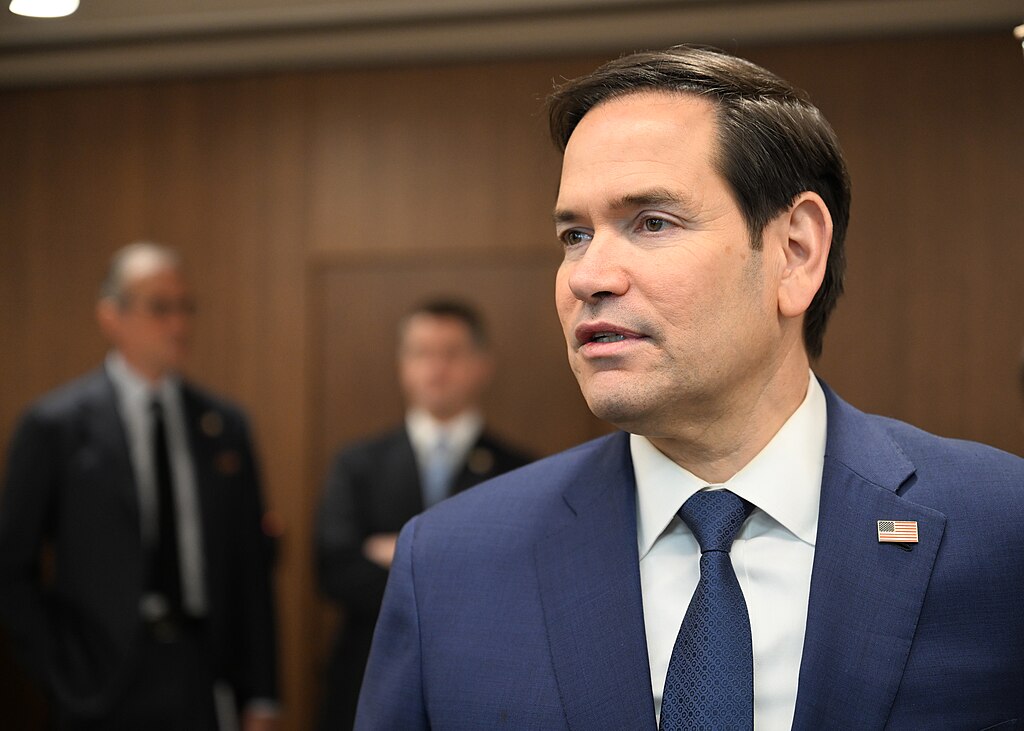
Tensions between the U.S. and Iran escalated this week as Secretary of State Marco Rubio outlined stringent conditions for any nuclear agreement, demanding Iran halt uranium enrichment, abandon its long-range missile program, and allow American-led inspections of its nuclear and military facilities. The comments came after a scheduled round of nuclear negotiations in Rome was postponed, with Iranian officials stating talks would resume only if the U.S. adopts a constructive approach.
Rubio, speaking on Fox News’ Hannity, emphasized that Iran must “walk away” from supporting militant groups like the Houthis and stop enriching uranium altogether. He warned that even low-level enrichment can quickly escalate to weapons-grade levels. “The only countries enriching uranium are those with nuclear weapons,” he said, adding that Iran should import fuel for civilian reactors instead.
In response, Iranian Foreign Minister Abbas Araqchi rejected Rubio’s claims, defending Iran’s right to enrich uranium under the Non-Proliferation Treaty (NPT). Araqchi noted that multiple NPT-compliant countries enrich uranium without pursuing nuclear weapons and accused the U.S. of using “incendiary rhetoric” that undermines diplomatic efforts.
Despite repeated denials of pursuing nuclear weapons, Iran has refused to dismantle its missile capabilities or give up enrichment rights. President Donald Trump reinforced U.S. pressure on Tehran by announcing secondary sanctions on any entity purchasing Iranian oil or petrochemicals.
Iran’s Foreign Ministry pushed back, reaffirming its commitment to diplomacy while warning it would not yield to threats or coercion. As diplomatic efforts hang in the balance, both sides remain far apart, with Washington demanding total transparency and Tehran asserting sovereign rights under international law.
This standoff leaves the future of the nuclear deal uncertain amid rising geopolitical tensions and mounting economic pressure.







