


 UK, Mauritius Seek Diego Garcia Base Deal
  Zelenskiy Warns Russia Preparing Major Attack on Ukraine
  Trump to Press Xi on Release of US Nuclear Expert Held in China
  Trump Scales Back Endangered Species Act Protections
  Macron Challenges Trump’s Gaza Peace Claims at UN
  Carney Condemns Belleville Synagogue Shooting That Wounded Police Officer
  Kremlin Says No Grounds Yet for Ukraine Peace Talks
  Macron, Trump Discuss Ukraine-Russia Energy Strike Moratorium
  Burnham Eyes UK Leadership Role in AI Ahead of Trump Meeting
  Scott Bessent Eyed as Trump’s New AI Czar
  Trump Administration Prepares Sanctions Against Entire ICC
  Trump Meets Venezuela’s Delcy Rodriguez at UN Assembly
  Canada Unveils Bill to Fast-Track Major Resource Projects
  Lula and Flavio Bolsonaro Tied in Brazil Runoff Poll
  Trump Says ‘Freedom’ Is Coming to Cuba
  Trump Says U.S.-Iran Peace Deal Near After UN Talks
  Marco Rubio to Meet Russia’s Lavrov in New York


 Add as a preferred source on Google
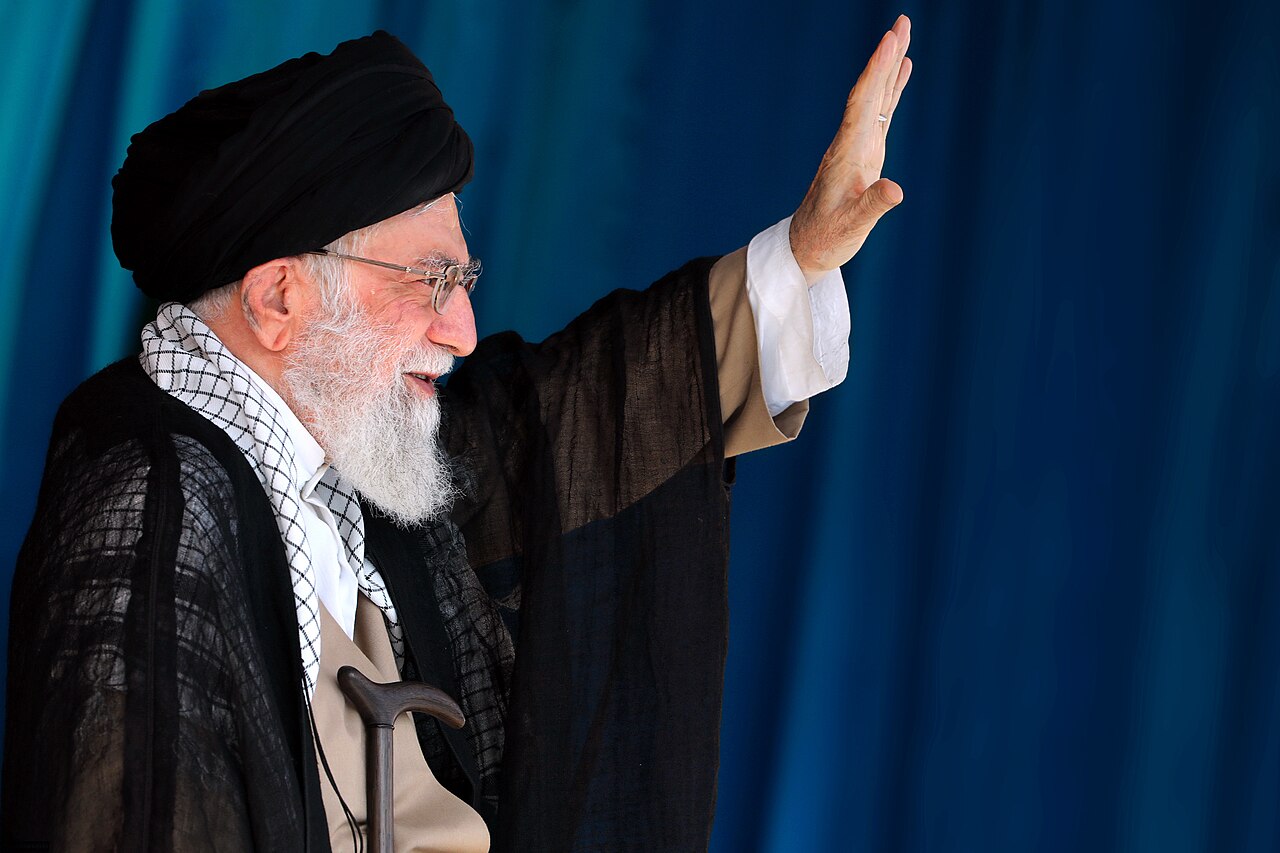
Iran buried slain Supreme Leader Ayatollah Ali Khamenei on Thursday at the revered Shrine of Imam Reza in Mashhad, marking the end of a week of nationwide mourning ceremonies following his death in a U.S. strike. The funeral drew large crowds carrying Iranian flags, portraits of Khamenei, and banners expressing support for the Islamic Republic.
The burial followed memorial processions across Iran and Iraq, where Khamenei's remains and those of four family members killed in the same attack were honored in Tehran, Qom, Najaf, and Karbala. Iranian officials encouraged mass participation throughout the ceremonies, portraying the gatherings as a demonstration of national unity and resilience amid renewed tensions with the United States.
Despite the public displays of support, uncertainty continues to surround Iran's new Supreme Leader, Mojtaba Khamenei. Appointed by a clerical assembly after his father's death, Mojtaba has not appeared publicly since the conflict began. Iranian officials have said he suffered severe injuries, including facial disfigurement and wounds to his limbs, during the strike that killed his father. While written statements have been released in his name, no photographs, videos, or audio recordings have emerged. Senior officials in Tehran say he is recovering while remaining under tight security because of concerns over potential future U.S. attacks.
During the funeral procession in Mashhad, mourners chanted anti-U.S. slogans, with some directing threats toward U.S. President Donald Trump. Several attendees displayed placards calling for retaliation over the killing of Iran's longtime leader.
Khamenei's death comes at a pivotal moment for Iran. His 37-year leadership shaped the country's political, military, and religious institutions after assuming power in 1989. Throughout his rule, authority became increasingly concentrated in the office of the Supreme Leader, while the Islamic Revolutionary Guard Corps expanded its influence across national security and policymaking.
Although analysts say Iran has preserved strategic leverage, including control over the Strait of Hormuz, the country faces significant economic challenges after months of conflict and sanctions. Khamenei's legacy also remains deeply contested, with supporters honoring him as a defender of the Islamic Republic while critics point to years of political repression and deadly crackdowns on anti-government protests.







