


 Trump Administration Plans New Drug Pricing Deals With Biotech Firms
  OpenAI Data Center Chief Chris Malone Exits Ahead of Planned 2027 Listing
  Why a ‘rip-off’ degree might be worth the money after all – research study
  The pandemic is still disrupting young people’s careers
  Heritage, desire and diplomacy: why China still values scotch whisky
  Mercer International Stock Surges 45% on C$20 Million Canada Funding
  Debate over H-1B visas shines spotlight on US tech worker shortages
  Yindjibarndi Appeals Fortescue Mining Compensation Ruling
  Google promotes ‘teacher approved’ apps for kids. Here’s what parents should know
  Disaster or digital spectacle? The dangers of using floods to create social media content
  Peru Court Frees Former President Ollanta Humala After Conviction Overturned
  California Seeks Paramount Divestitures in Warner Bros. Merger
  Oil Prices Fall as Middle East Ceasefire Hopes Rise
  Tesla Raises Cybertruck Prices by $5,000 in US
  U.S. Unseals Charges Against Five Alleged CJNG Leaders, Raises Reward for New Cartel Chief
  Can your cat recognise you by scent? New study shows it’s likely


 Add as a preferred source on Google
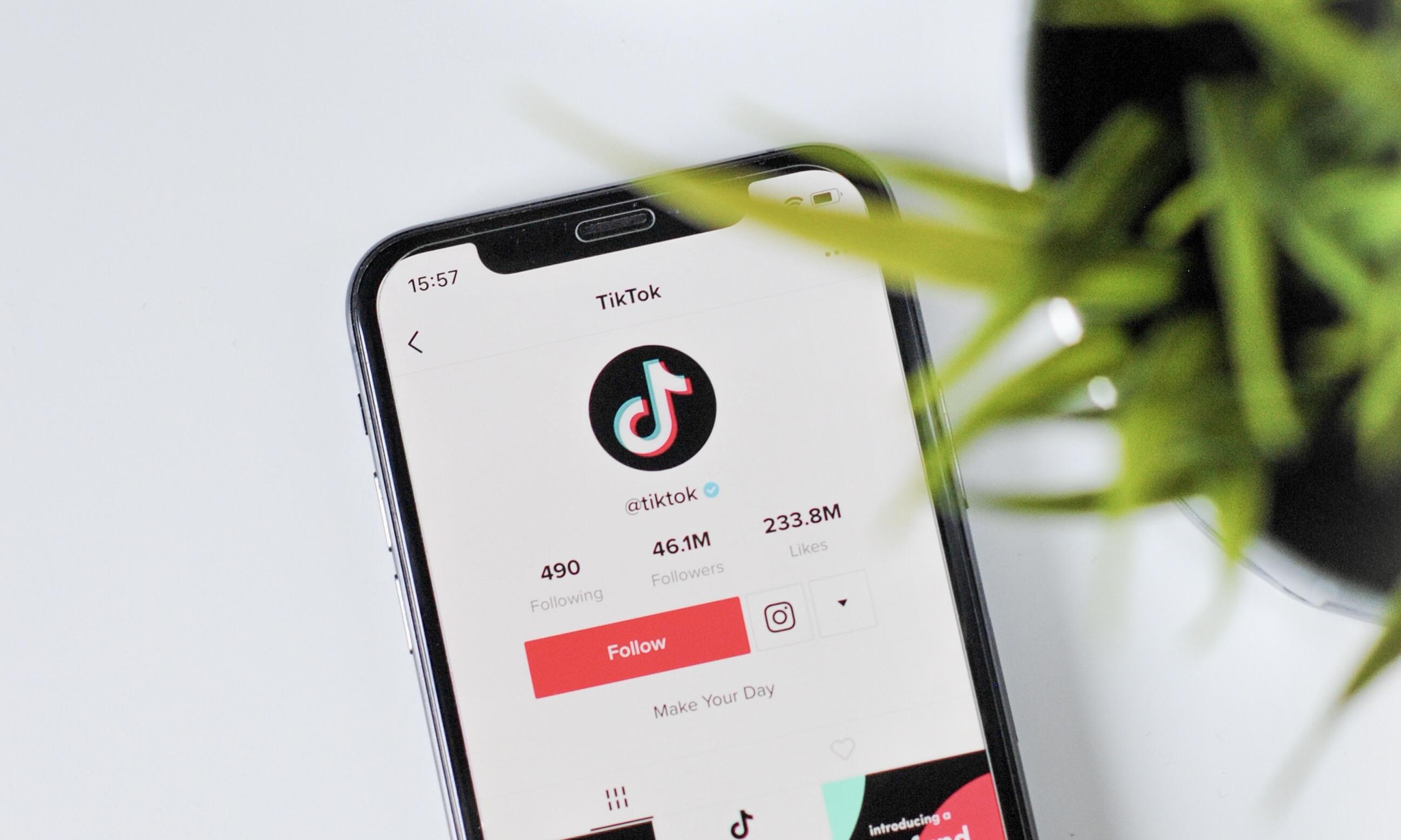
Indonesia is set to introduce stringent trade regulations on social media transactions. During a recent parliamentary hearing, Deputy Trade Minister Jerry Sambuaga underscored the surge of "live" sales on platforms like TikTok, emphasizing a need to separate social media from direct sales.
The move comes in response to concerns that e-commerce sellers utilizing predatory pricing on social media platforms threaten offline markets in Southeast Asia's largest economy. Current trade regulations do not explicitly address direct transactions on social media, leading the government to take action.
During his statement to parliament, Sambuaga highlighted the example of sellers using "live" features on the popular short video platform TikTok to promote and sell goods. He emphasized that social media and social commerce should be kept separate. According to Sambuaga, revisions to the trade regulations that are currently underway will firmly and explicitly ban this.
In contrast, TikTok expressed concerns that separating social media and e-commerce into distinct platforms could hinder innovation. The company hopes the government will provide a level playing field for the industry, as separating the two could also disadvantage Indonesian merchants and consumers, according to TikTok Indonesia spokesperson Anggini Setiawan.
TikTok, with 125 million active users in Indonesia and 325 million active Southeast Asian users each month, has approximately 2 million sellers in Indonesia. However, the company has no plans to introduce cross-border operations in Indonesia amid concerns that its e-commerce push would flood the country with Chinese products. Meta's Facebook, which also features a marketplace, has yet to comment.
With a population exceeding 270 million, Indonesia recorded almost $52 billion worth of e-commerce transactions last year. Approximately 5% of these transactions occurred on TikTok, mainly through live-streaming, as noted in data from consultancy firm Momentum Works.
The Indonesian e-commerce sector is projected to reach $95 billion by 2025, according to a 2022 industry report conducted by Google, Temasek Holdings, and Bain & Company.
Photo: Nik/Unsplash







