


 Soybean Futures Slip as Traders Await Trump-Xi Trade Signals
  US Backs Musk in Fight Against EU’s €120 Million X Fine
  Najib Razak Seeks Stay of 15-Year 1MDB Prison Sentence
  North Korea Warns South Korea Over US-Led Defense Role
  South Korea, US Discuss Warship Building Cooperation
  Trump, Xi Visit US National Archives After White House Summit
  Russian Missile and Drone Attack on Kyiv Kills Two, Damages Maternity Hospital
  Trump Asks Supreme Court to Restore Third-Country Deportations
  North Korea Rejects Nuclear Test Warning, Calls Nuclear Status Irreversible
  Gold Holds Near $4,275 as Rising Treasury Yields Fuel Fed Rate Hike Bets
  Abbas Reaffirms November 28 Palestinian Elections
  Netanyahu Takes Aim at Mamdani as Israel Election Nears
  Ukrainian Drone Attacks Hit Russian Regions, Injuring at Least 12
  U.S. Dollar Hits Two-Month High as Oil, Treasury Yields Surge
  EU Defence Build-Up Too Slow for 2030 Russia Readiness Goal
  Trump, Xi Focus on Trade and AI at White House Summit
  RBI Uses $10 Billion Currency Swaps to Drain Excess Rupee Liquidity


 Add as a preferred source on Google
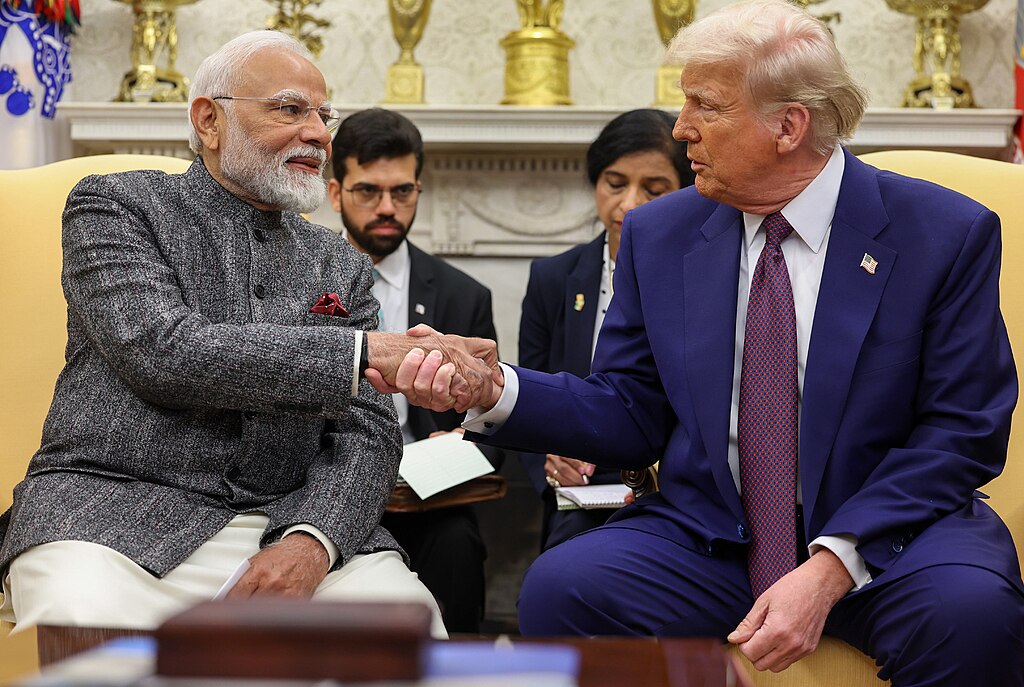
India’s long-anticipated trade pact with the United States was delayed due to a breakdown in high-level communication, according to US Commerce Secretary Howard Lutnick, who said Prime Minister Narendra Modi did not place a crucial phone call to then-President Donald Trump to finalize the agreement. The comments shed new light on why India-US trade talks collapsed last year despite being close to completion.
Speaking on the All-In podcast, Lutnick explained that negotiations were effectively ready to close, but required direct leader-to-leader engagement. “It’s all set up and you have got to have Modi call the President. And they were uncomfortable doing it,” he said, adding, “So Modi didn’t call.” According to Lutnick, this hesitation ultimately stalled the trade deal.
Following the collapse of talks, President Trump sharply escalated trade pressure on India. In August, the United States doubled tariffs on Indian goods to 50%, the highest rate imposed on any trading partner at the time. This included a 25% retaliatory tariff linked to India’s continued imports of Russian oil, a move that strained bilateral economic relations.
The pressure has intensified again recently, with Trump warning that tariffs could rise further unless India reduces its purchases of Russian crude. These developments rattled financial markets, pushing the Indian rupee to a record low and unsettling investors awaiting progress on a comprehensive India-US trade agreement.
Reuters has previously reported that New Delhi and Washington were very close to sealing a deal last year. However, an Indian government official involved in the negotiations said Prime Minister Modi avoided calling Trump due to concerns that the conversation could become one-sided and politically risky.
India continues to seek a more favorable tariff arrangement, aiming for a rate between the deals the US has offered Britain and Vietnam. However, Lutnick noted that the earlier US offer has since expired. India’s trade ministry has not yet commented on these remarks, leaving the future of India-US trade relations uncertain as diplomatic and economic pressures continue to mount.







