


 Trump Administration Removes Confederate Memorial Criticism From Arlington Website
  Sweden Election: Centre-Left Holds Narrow Lead
  China’s Global Times Slams Anthropic CEO’s AI Slowdown Plan as ‘Cold War’ Strategy
  Mahmoud Khalil Sues Columbia Over Alleged Pro-Palestinian Harassment
  Takaichi-Backed Koja Wins Okinawa Governor Race
  China to Push Global Security Vision at Xiangshan Forum
  U.S. Issues Cuba Health Alert as Illnesses Rise
  Nvidia-Groq AI Chip Deal Faces U.S. Antitrust Probe
  Brazil Warns EU of Retaliation Over Animal Products Ban
  Houthis Escalate Saudi Attacks as Red Sea Oil Risks Grow
  US Confirms Weapons in Orbit as Space Tensions Rise
  New Zealand Moves to Ban Social Media for Children Under 16
  FDA Weighs Safety Standards for Psychedelic Therapies
  Countries Tighten Social Media Bans for Children
  Who should own the knowledge that underpins AI technology?
  Nvidia CEO Jensen Huang Expected at Trump-Xi State Dinner


 Add as a preferred source on Google
The United States has announced a new visa restriction policy targeting certain foreign nationals from South Africa, marking another deterioration in relations between Washington and Pretoria.
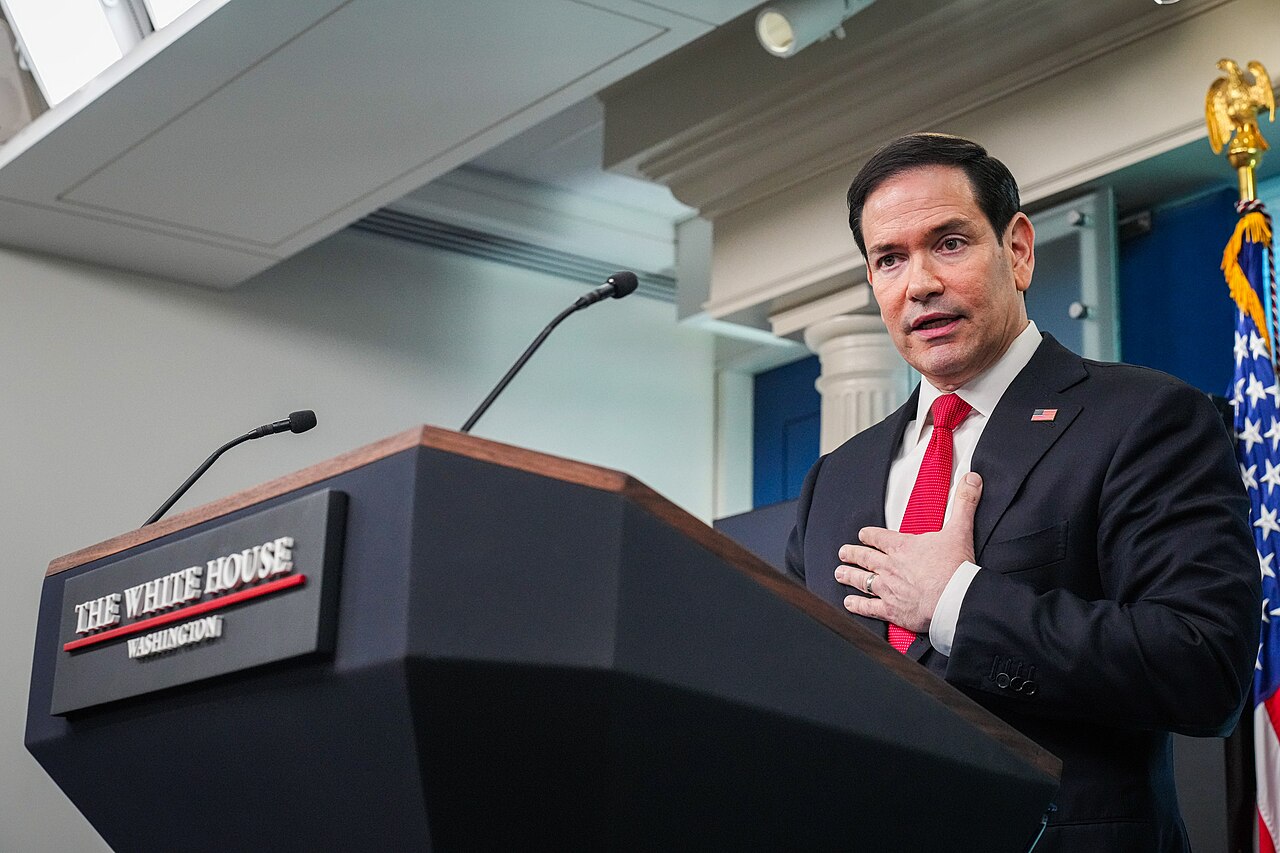
U.S. Secretary of State Marco Rubio said Tuesday that the restrictions would apply to foreign nationals deemed responsible for or involved in implementing policies that Washington says permit uncompensated land seizures, racial discrimination or incitement of imminent violence against ethnic or racial minorities.
“The South African government has not adequately addressed the previously laid out concerns,” Rubio said. His statement did not identify any individuals subject to the restrictions.
The move comes as President Donald Trump’s administration intensifies pressure on South Africa over land reform, racial policies and Pretoria’s foreign policy. Washington has also criticized South Africa for bringing a genocide case against Israel at the International Court of Justice over Israel’s military campaign in Gaza.
Trump has previously cut U.S. assistance to South Africa and offered refugee pathways to some Afrikaners. His administration has also taken other steps affecting U.S. visa operations and screening across Africa in 2026.
South Africa rejects allegations that its policies amount to persecution of white citizens. President Cyril Ramaphosa and his government maintain that there is no evidence of systematic persecution and argue that land and economic reforms are intended to address inequalities inherited from decades of apartheid.
Trump has repeatedly alleged that white South Africans face severe discrimination and has previously made claims of a “white genocide.” Pretoria disputes that characterization. South Africa has one of the world’s highest murder rates, with Black South Africans accounting for most homicide victims.
The South African Embassy in Washington did not immediately respond to a request for comment on the latest U.S. visa restrictions.
The policy adds another point of friction to already strained U.S.-South Africa relations, spanning land reform, racial inequality policies, diplomatic disagreements over Israel and broader questions about Pretoria’s foreign policy.







