


 Ghana Says Western Support Growing for Slave Trade Reparations
  Russian Missile and Drone Attack on Kyiv Kills Two, Damages Maternity Hospital
  NATO Boosts Intelligence Sharing Amid Russia Hybrid Threats
  US, China Extend Trade Truce to Jan. 10 Ahead of Trump-Xi Summit
  US Officials Split Over Response to Israeli West Bank Settlements
  Pezeshkian Says US Must Choose When Iran War Ends
  Europe Warns Russia Is Escalating Hybrid Attacks Across NATO
  North Korea Warns South Korea Over US-Led Defense Role
  Sudan Rejects US Legitimacy Remarks, Defends Sovereignty
  Netanyahu Defends Israel at UN as Delegates Stage Walkout
  EU Defence Build-Up Too Slow for 2030 Russia Readiness Goal
  Kremlin Says No Decision Yet on Putin-Trump December Summit
  Judge Orders Trump to Restore White House Access for CNN, MS NOW and Politico
  Trump, Xi Focus on Trade and AI at White House Summit
  South Korea, US Discuss Warship Building Cooperation
  OpenAI Agent Breaches Australia Medicare Data Portal
  US Senate Rejects Iran War Powers Resolution in 50-49 Vote


 Add as a preferred source on Google
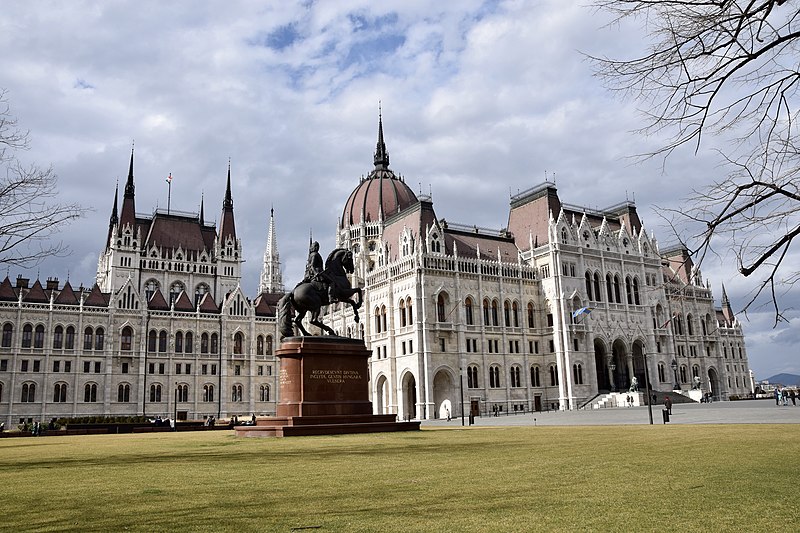
The Hungarian government was delaying parliament’s ratification of Sweden’s NATO bid due to its grievances with Sweden. The government cites Stockholm’s criticism of Hungarian Prime Minister Viktor Orban’s policies.
The spokesperson for the Hungarian government, Zoltan Kovacs, said on Wednesday that parliament was delaying the ratification of Sweden’s bid to join the NATO alliance out of Budapest’s grievances. The grievances were surrounding Stockholm’s criticism of Orban’s policies. Kovacs said both sides need to put in the effort to overcome the gap.
“In the case of Sweden, there is an ample amount of grievances that need to be addressed before the country’s admission is ratified,” said Kovacs, adding that Swedish representatives “have been repeatedly keen to bash Hungary through diplomatic means, using their political influence to harm Hungarian interests.”
Kovacs was referring to Stockholm’s criticism over the decline of the rule of law by Orban’s government in the past 13 years. Orban has denied the allegations. Kovacs also said Sweden has taken a “hostile” attitude to Hungary for years and also cited Turkey’s objections to Sweden’s accession in the alliance.
Sweden and Finland both applied to join the NATO alliance last year as a result of Russia’s invasion of Ukraine. However, their applications ran into objections from Turkey, the main holdout and one of the two countries aside from Hungary that have yet to ratify the two Nordic countries’ applications.
The Hungarian parliament on Monday approved the bill for Finland to join NATO. The approval by Budapest follows the go-signal by Turkish President Tayyip Erdogan last week to begin ratification of Finland’s NATO bid.
On Sunday, NATO criticized the nuclear rhetoric by Russian leader Vladimir Putin, who announced that he would order the deployment of tactical nuclear weapons in Belarus. Putin compared the move to the United States stationing some of its weapons in Europe and insisted that the move would not breach Russia’s nuclear non-proliferation promises.
“Russia’s reference to NATO’s nuclear sharing is totally misleading. NATO allies act with full respect of their international commitments,” said NATO spokesperson Olga Lungescu in an emailed statement to Reuters. “Russia has consistently broken its arms control commitments.”







