


 Trump Board of Peace Unveils $2.45 Billion Gaza Recovery Plan
  US Invites Putin to Miami G20, Opening Door to Trump Summit
  China Tightens Fentanyl Rules Ahead of Trump-Xi Summit
  Ghana Says Western Support Growing for Slave Trade Reparations
  Zelenskiy Warns Russia Preparing Major Attack on Ukraine
  Trump Says ‘Freedom’ Is Coming to Cuba
  Trump Meets Venezuela’s Delcy Rodriguez at UN Assembly
  US Officials Split Over Response to Israeli West Bank Settlements
  Kremlin Says No Grounds Yet for Ukraine Peace Talks
  Europe Warns Russia Is Escalating Hybrid Attacks Across NATO
  South Korea, US Discuss Warship Building Cooperation
  Macron, Trump Discuss Ukraine-Russia Energy Strike Moratorium
  Lula and Flavio Bolsonaro Tied in Brazil Runoff Poll
  Gaza Faces Evacuation Crisis as War-Damaged Buildings Risk Collapse
  Canada Unveils Bill to Fast-Track Major Resource Projects
  Russian Strikes Kill Eight Across Ukraine as Energy Sites Hit
  Vietnam, US Trade Deal Could Be Signed Soon, To Lam Says


 Add as a preferred source on Google
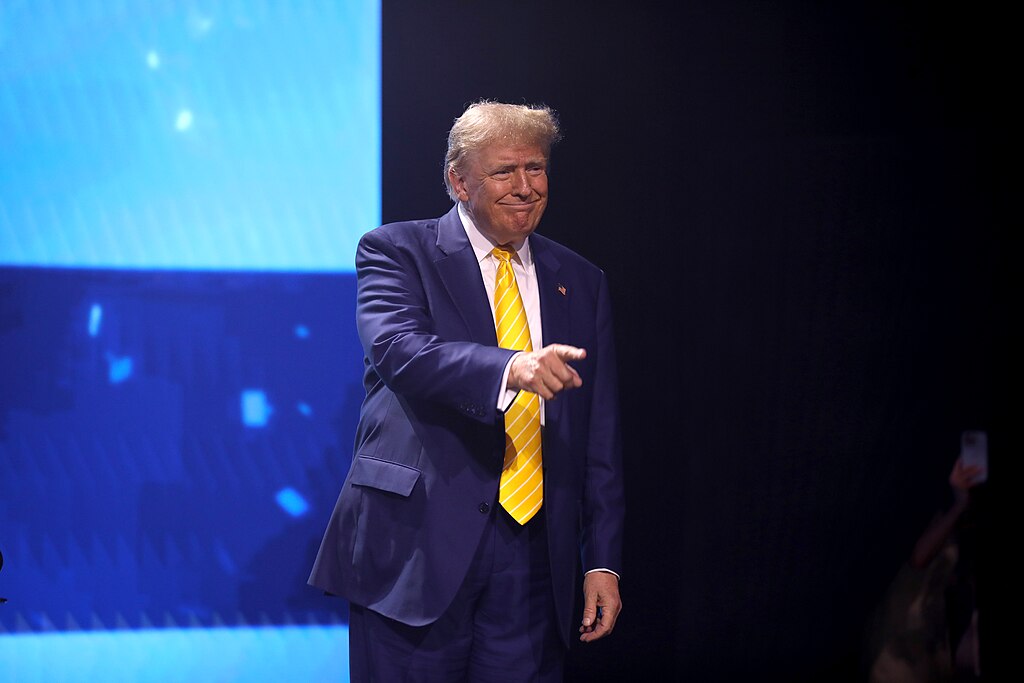
In 2025, President Donald Trump's aggressive tariff policies have significantly impacted U.S. imports and exports, igniting a heated debate over their economic consequences. The administration's imposition of substantial tariffs, particularly targeting Chinese goods, has led to a complex interplay of domestic benefits and international challenges.
Imposition of Tariffs
Early in 2025, the Trump administration enacted nearly 40% tariffs on imports from China, aiming to reduce the trade deficit and bolster domestic manufacturing.
These measures extended to other trading partners, with tariffs ranging between 10% and 20% on various imported goods.
Impact on Imports
The heightened tariffs have led to a notable decline in imports, as foreign goods became more expensive for U.S. consumers and businesses. Industries reliant on imported materials, such as electronics and automotive manufacturing, have faced increased production costs, leading to higher prices for consumers. Some companies have sought alternative suppliers or shifted production domestically, though these adjustments have been met with challenges, including supply chain disruptions and increased operational expenses.
Effect on Exports
In retaliation, affected countries, notably China, have imposed their own tariffs on U.S. exports. This tit-for-tat escalation has adversely affected American farmers and manufacturers, who have seen reduced demand for their products abroad. Agricultural sectors, in particular, have suffered from decreased exports, leading to surplus supplies and falling prices domestically. The overall effect has been a contraction in export volumes, contributing to economic uncertainty in affected industries.
Economic Consequences
Economists are divided on the long-term implications of these tariff policies. Supporters argue that the tariffs protect domestic industries from unfair foreign competition and encourage self-reliance. Critics contend that the measures disrupt global supply chains, increase costs for consumers and businesses, and risk igniting a prolonged trade war with detrimental effects on the global economy. A Reuters poll of economists indicated that the tariffs could reduce China's economic growth by up to 1 percentage point, highlighting the interconnected nature of global economies.
Public Reaction
The public response has been polarized. Supporters of the tariffs view them as necessary steps to protect American jobs and industries. Critics argue that the policies lead to higher consumer prices and strain international relations. On social media, user @PatriotGuardians tweeted, "Finally, a president who stands up for American workers. #AmericaFirst." Conversely, @GlobalEconomist posted, "These tariffs are hurting our economy more than helping. We need smarter trade policies."
Outlook
As the effects of the tariffs continue to unfold, businesses and consumers are adapting to the new economic landscape. The administration remains steadfast in its approach, emphasizing the long-term benefits of a more balanced trade relationship. However, the ongoing trade tensions and their ripple effects across various sectors underscore the complexities of implementing protectionist trade policies in an interconnected global economy.







