


 Netanyahu Takes Aim at Mamdani as Israel Election Nears
  South Korea, US Discuss Warship Building Cooperation
  US, China Extend Trade Truce to Jan. 10 Ahead of Trump-Xi Summit
  Sudan Rejects US Legitimacy Remarks, Defends Sovereignty
  Mexico-US Trade Talks Delayed to October as Tariff Negotiations Continue
  US Backs Musk in Fight Against EU’s €120 Million X Fine
  US Invites Putin to Miami G20, Opening Door to Trump Summit
  Taiwan Thanks US for Support Ahead of Trump-Xi Summit
  North Korea Warns South Korea Over US-Led Defense Role
  France Defends Netanyahu Airspace Clearance Despite ICC Warrant
  Judge Orders Trump to Restore White House Access for CNN, MS NOW and Politico
  Trump, Xi Focus on Trade and AI at White House Summit
  Netanyahu’s Brief US Trip Highlights Strains With Trump
  OpenAI Agent Breaches Australia Medicare Data Portal
  Yemen Violence Displaces 130,000 as Civilian Toll Rises
  Russian Missile and Drone Attack on Kyiv Kills Two, Damages Maternity Hospital
  Pezeshkian Says US Must Choose When Iran War Ends


 Add as a preferred source on Google
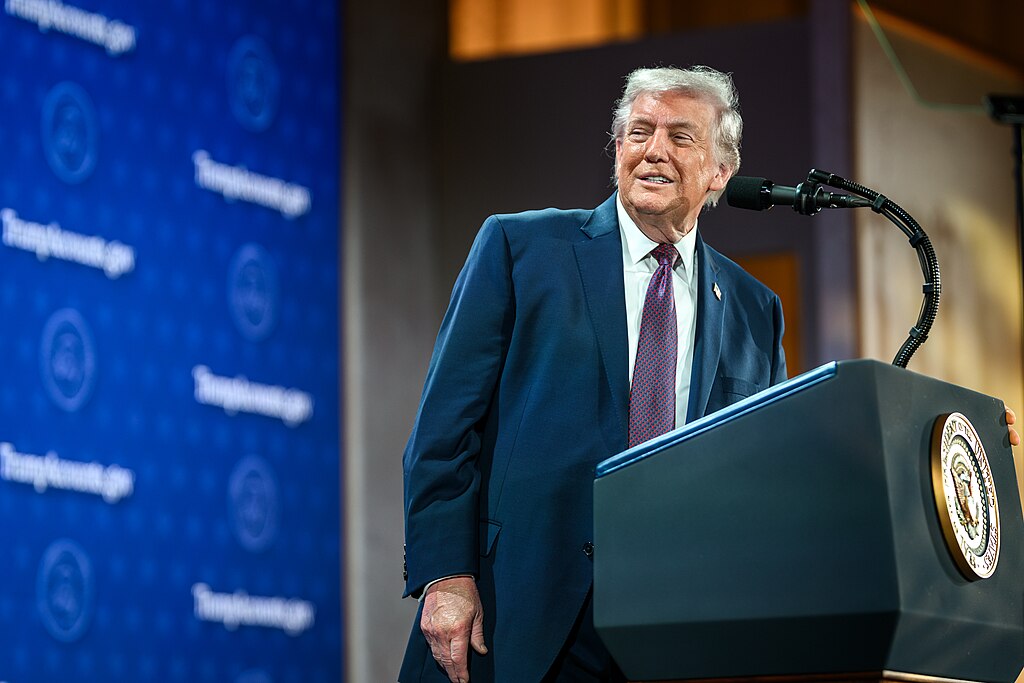
Donald Trump's decision to pause military strikes against Iran came after urgent warnings from Gulf Arab states and a serious miscalculation of Tehran's willingness to escalate, according to regional sources and geopolitical analysts familiar with the situation.
Gulf nations privately cautioned Washington that targeting Iranian power plants would invite devastating retaliation on their own energy and desalination infrastructure. Trump had threatened to strike Iran's electricity grid if Tehran refused to reopen the Strait of Hormuz — a critical waterway responsible for transporting roughly one-fifth of the world's energy supply. Iran refused to back down. The strait remained closed, oil markets surged, and global equities tumbled, exposing the limits of American pressure.
Iran simultaneously sent warnings through Arab intermediaries that any attack on its power facilities would trigger unrestricted retaliation. Former U.S. diplomat Alan Eyre noted that once Tehran demonstrated it was prepared to strike Gulf energy infrastructure, Trump had little choice but to reconsider. Alex Vatanka of the Middle East Institute added that Iran's resilience and willingness to escalate without restraint caught Washington off guard.
The White House maintained that Trump was close to achieving Operation Epic Fury's defined objectives and remained in close contact with regional partners. Behind the scenes, however, back-channel diplomacy involving Pakistan, Turkey, Egypt, and Gulf states worked to prevent wider conflict.
Analysts suggest Trump's pause reflects two possible paths forward — a tactical delay before resuming strikes or a strategic opening for broader negotiations. Iran, meanwhile, has hardened its demands, seeking security guarantees, compensation for wartime losses, and formal recognition of its influence over Hormuz. Gulf leaders, never consulted before the conflict escalated, now face years of economic damage from disrupted trade and energy flows. The conflict, analysts warn, remains far from over.







