


 Mexico-US Trade Talks Delayed to October as Tariff Negotiations Continue
  Pezeshkian Says US Must Choose When Iran War Ends
  Kremlin Says No Decision Yet on Putin-Trump December Summit
  South Korea, US Discuss Warship Building Cooperation
  Netanyahu Takes Aim at Mamdani as Israel Election Nears
  North Korea Rejects Nuclear Test Warning, Calls Nuclear Status Irreversible
  NATO Boosts Intelligence Sharing Amid Russia Hybrid Threats
  Trump Asks Supreme Court to Restore Third-Country Deportations
  Netanyahu’s Brief US Trip Highlights Strains With Trump
  Netanyahu Defends Israel at UN as Delegates Stage Walkout
  France Defends Netanyahu Airspace Clearance Despite ICC Warrant
  Sudan Rejects US Legitimacy Remarks, Defends Sovereignty
  Yemen Violence Displaces 130,000 as Civilian Toll Rises
  US Invites Putin to Miami G20, Opening Door to Trump Summit
  Gaza Faces Evacuation Crisis as War-Damaged Buildings Risk Collapse
  Europe Warns Russia Is Escalating Hybrid Attacks Across NATO
  US Officials Split Over Response to Israeli West Bank Settlements


 Add as a preferred source on Google
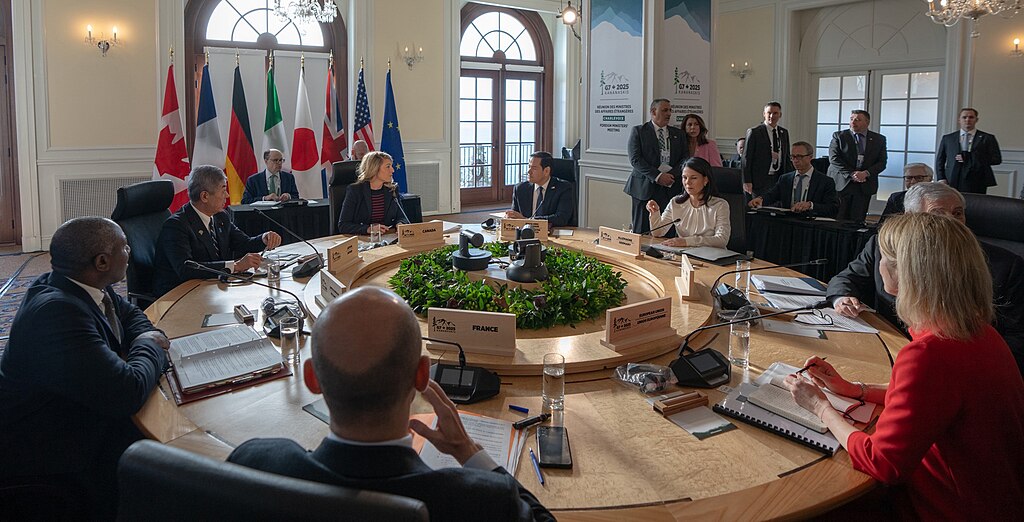
Foreign ministers from the world's top Western democracies have convened in France this week for a high-stakes two-day summit at the historic 12th-century Abbaye des Vaux-de-Cernay, located roughly 40 kilometers southwest of Paris. The G7 gathering — bringing together representatives from Britain, Canada, France, Germany, Italy, Japan, and the United States, along with the European Union — comes at a moment of extraordinary geopolitical pressure, with active conflicts in Iran and Ukraine, global economic instability, and deep concern over Washington's shifting foreign policy priorities under President Donald Trump.
Once defined by strong transatlantic unity, the G7 bloc has seen growing fractures since Trump returned to the White House in 2025. Sudden policy reversals on trade tariffs, the Ukraine war, and Middle East strategy have left both allies and adversaries scrambling to adapt. France's top military official openly criticized Washington's unpredictability this week, warning it is undermining allied security interests. Notably, ministers have abandoned plans for a joint final communiqué — a clear sign of the strains within the group.
A central focus of the summit will be U.S. Secretary of State Marco Rubio's appearance on the second day. European partners are pressing for a clear briefing on U.S. and Israeli military operations against Iran, particularly given Tehran's effective closure of the Strait of Hormuz, which has disrupted nearly a fifth of the world's oil supply. Energy security and diplomatic off-ramps are now urgent agenda items.
On Ukraine, European officials are firmly pushing back against any peace settlement that disadvantages Kyiv. They are calling for stronger sanctions on Russia, continued military support, and protections for Ukraine's energy infrastructure ahead of another brutal winter. Ukraine's foreign minister is also attending the talks.
Ministers from Brazil, India, South Korea, and Saudi Arabia are participating as key non-G7 voices on global security and energy. The summit also sets the stage for France's G7 leaders' summit in the Alps next June, with multilateralism, trade imbalances, and a proposed task force targeting global drug trafficking all on the broader agenda.







