


 Trump Says Iran Talks Halted as Strait of Hormuz Dispute Fuels Oil Concerns
  Trump Says Iran Should Surrender as Nuclear Deal Talks Stall
  South Korea’s Lee Calls for Stronger Defence as US Eyes Reduced Joint Drills
  Angie Nixon Scores Florida Senate Primary Upset as Key Midterm Races Take Shape
  US, South Korea Cut Joint Military Drills After Trump Orders Reduced Role
  Ukraine Names Yevhenii Khmara Defence Minister Amid Election Row
  Trump Says Kim Jong Un Responded to Outreach After US Scales Back South Korea Military Drills
  Prince Harry and Meghan Markle Reportedly Plan UK Move With Children
  Israeli Airstrike Kills Six Palestinians in Gaza as Trump Peace Plan Stalls
  Gaza Zoo Struggles to Save Animals Amid War
  US, South Korea Cut Joint Military Drills as Trump Seeks North Korea Talks
  Trump Administration Allocates $206 Million for Gaza Peacekeeping Force
  Trump Pauses 50% Canada Tariffs for Three Days as U.S. Trade Deal Takes Shape
  Trump Approval Rating Hits Presidency Low as Iran War Concerns Grow
  US CENTCOM Chief Praises USS Abraham Lincoln Crew Amid Mental Health Concerns
  Philippines Confident in U.S. Defense Commitment Despite Middle East Redeployment


 Add as a preferred source on Google
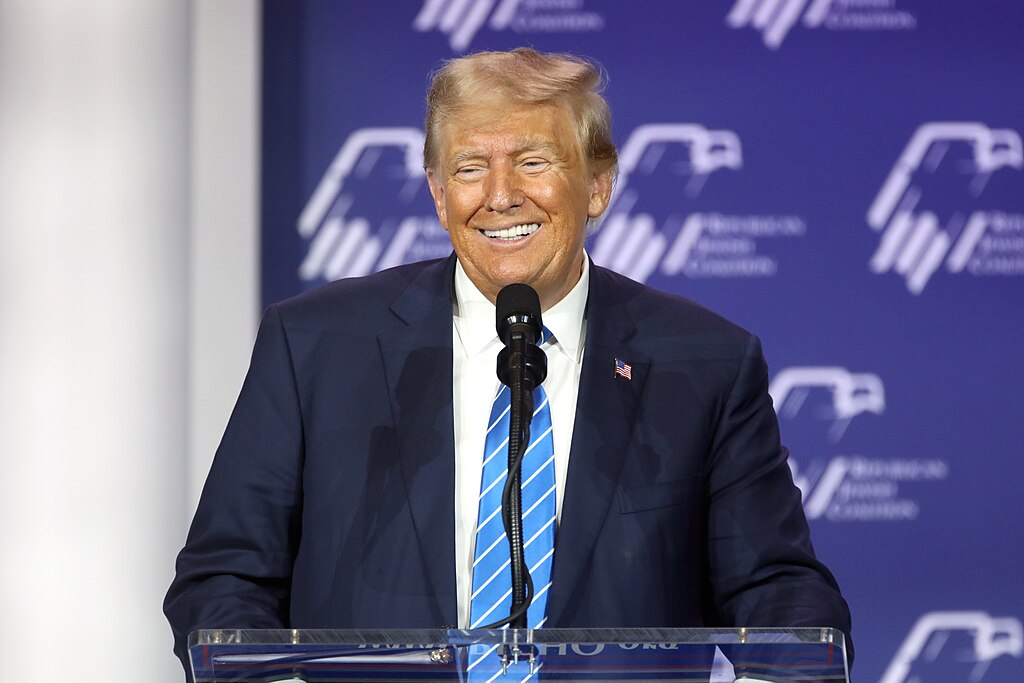
As President-elect Donald Trump prepares to assume office in January 2025, his administration's energy policies are poised to significantly shift the nation's approach to clean energy and climate change. Central to Trump's agenda is a renewed emphasis on fossil fuel production, coupled with a rollback of existing climate initiatives, sparking intense debate among policymakers, industry leaders, and environmental advocates.
Prioritizing Fossil Fuels
Trump's energy strategy underscores a commitment to bolstering domestic oil, gas, and coal industries. Proposed measures include expanding drilling operations on federal lands and offshore areas, expediting the approval process for energy infrastructure projects, and reducing regulatory constraints on fossil fuel extraction. Proponents argue that these actions will enhance energy independence, stimulate economic growth, and create jobs within traditional energy sectors.
Dismantling Climate Policies
A cornerstone of the incoming administration's plan involves dismantling key climate policies implemented by the previous administration. This includes withdrawing from international climate agreements, repealing regulations aimed at reducing greenhouse gas emissions, and defunding federal programs dedicated to renewable energy research and development. Critics contend that such actions could undermine global efforts to combat climate change and hinder the transition to a sustainable energy future.
Impact on Renewable Energy
The proposed policy shifts have raised concerns within the renewable energy sector. Industry stakeholders warn that reduced federal support and potential elimination of tax incentives could slow the growth of solar, wind, and other clean energy technologies. Additionally, uncertainty surrounding regulatory frameworks may deter investment in renewable projects, potentially stalling progress toward a diversified energy portfolio.
Public and Industry Reactions
The administration's energy plans have elicited mixed reactions. Supporters praise the focus on revitalizing fossil fuel industries and reducing regulatory burdens. Twiocate posted, "Finally, an energy policy that puts American resources and jobs first. #EnergyIndependence." Conversely, environmental advocates express alarm over the potential environmental consequences. User @GreenFutureNow tweeted, "Rolling back climate policies is a step backward for our planet. We need sustainable solutions. #ClimateAction."
Global Implications
The anticipated policy changes have international ramifications, particularly concerning the United States' role in global climate initiatives. A withdrawal from international agreements and a shift away from clean energy commitments may affect diplomatic relations and global climate goals. Observers note that such moves could diminish the U.S.'s influence in shaping international climate policy and potentially embolden other nations to relax their environmental commitments.
Outlook
As the Trump administration advances its energy agenda, the balance between economic objectives and environmental stewardship remains a focal point of contention. The long-term effects of prios over renewable energy sources will be closely monitored by stakeholders across various sectors. The unfolding developments will play a critical role in determining the nation's energy trajectory and its commitment to addressing climate change in the years to come.







