


 Israel Heritage Bill Sparks Annexation Concerns in West Bank
  Marco Rubio Seeks Gulf Support for U.S.-Iran Peace Deal Amid Regional Concerns
  Japan Signals Preference for Low Interest Rates as BOJ Policy Debate Intensifies
  Peru Election Dispute Deepens as Roberto Sanchez Rejects Runoff Results
  Crimea Power Outage After Ukrainian Drone Attack, Russian Authorities Say
  Marco Rubio Reassures Gulf Allies Over U.S.-Iran Peace Deal
  Johns Hopkins University Lays Off 110 Employees as Federal Research Funding Declines
  Republican Lawmaker Introduces AI Incident Reporting Bill to Strengthen U.S. AI Safety
  Trump Orders DOJ Investigation Into Exxon, Chevron Over High Gas Prices
  White House Seeks $87.6 Billion Emergency Funding for Iran War, Farmers, and Ebola Response
  Iran Attack in Strait of Hormuz Pushes Oil Prices Higher
  US Approves $250 Million Fighter Jet Training Sale to Australia
  Russia Signals Frustration Over Unfulfilled U.S. Commitments After Alaska Summit
  NATO Chief Tries to Ease Trump Alliance Dispute
  Young Brazilian Voters Shift Right Ahead of 2026 Election
  US Mobilizes Aid After Powerful Earthquakes Devastate Venezuela


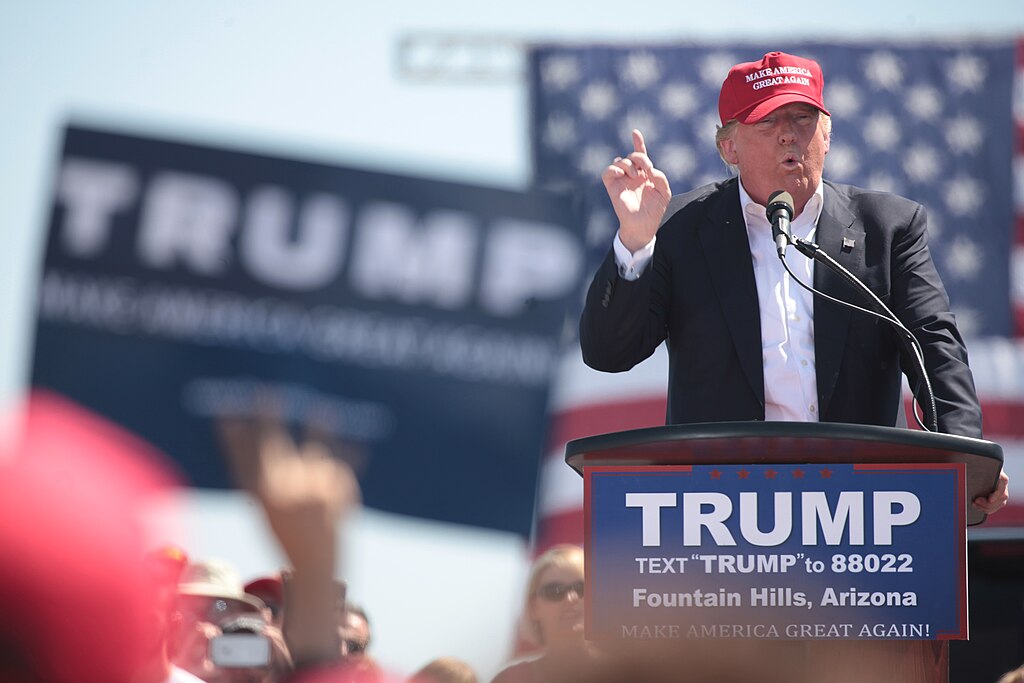
Donald Trump’s administration is gearing up to tackle judicial reform in 2025, signaling significant changes to America’s legal and judicial landscape. The plan aims to enhance efficiency, curb judicial overreach, and address mounting criticisms of partisanship in federal courts. However, critics argue the initiative could further politicize the judiciary, raising questions about the separation of powers.
Streamlining Federal Court Operations
A central pillar of Trump’s judicial reform plan focuses on improving the efficiency of federal courts. The administration is proposing measures to reduce case backlogs, which have long hampered the judicial system. These include increased funding for hiring additional judges and court staff, as well as the adoption of advanced case management technologies.
Moreover, Trump’s plan introduces stricter timelines for court proceedings to minimize delays. Proponents argue that these steps will ensure swifter justice for litigants, particularly in civil cases. Critics, however, caution that imposing rigid deadlines may undermine the quality of judicial deliberation and fairness in complex cases.
In addition, the administration is exploring alternative dispute resolution mechanisms, such as mandatory arbitration for specific case types, as a means to reduce the caseload on federal judges. While these measures have garnered support from businesses and legal experts, civil rights advocates warn they could disproportionately disadvantage individuals in disputes against corporations.
Controversy Over Judicial Appointments
Trump’s judicial reform strategy also includes a renewed focus on judicial appointments, prioritizing candidates with conservative leanings. This effort builds on the administration’s track record of appointing a record number of federal judges during Trump’s first term. The goal is to solidify a judiciary that aligns with the administration’s vision of limited government and strict constitutional interpretation.
However, critics accuse Trump of undermining judicial independence by selecting judges based on ideology rather than qualifications. Legal scholars warn that this approach risks turning the judiciary into a partisan battlefield, eroding public trust in the courts.
Public reactions to this aspect of the reform have been deeply polarized. While supporters praise Trump’s commitment to judicial conservatism, opponents argue it could exacerbate existing divides and weaken the judiciary’s role as an impartial arbiter.
Netizens React to Judicial Reform Proposals
Trump’s judicial reform initiatives have ignited widespread debate on social media platforms, with users expressing both support and skepticism:
- @JusticeMatters: “Streamlining courts is great, but Trump’s appointments risk making the judiciary a political tool.”
- @ConstitutionalNow: “Finally! A president who’s taking judicial reform seriously. The courts need efficiency and accountability.”
- @LegalWatchdog: “More judges? Fine. But why only conservative ones? Justice should be fair, not ideological.”
- @RightWingVoice: “Trump’s reform ensures the Constitution is upheld. Liberals are just upset their grip on courts is weakening.”
- @ProgressiveLegal: “Mandatory arbitration sounds like a nightmare for consumers. This benefits corporations, not people!”
- @CitizenEqual: “Judicial reform is overdue, but Trump’s version feels more like a political power grab.”







