


 Iran Attack in Strait of Hormuz Pushes Oil Prices Higher
  Iran Strait of Hormuz Tensions Rise After Ship Attack Delays IMO Escort Mission
  US Mobilizes Aid After Powerful Earthquakes Devastate Venezuela
  US Senate Approves War Powers Resolution Urging Trump to End Iran Military Action
  White House Seeks $87.6 Billion Emergency Funding for Iran War, Farmers, and Ebola Response
  Cait Conley Wins Democratic Nomination, Sets Up Key House Battle Against Mike Lawler in New York
  US Reaffirms Taiwan Arms Sales Policy Despite Trump’s Comments on China
  US Supreme Court Strikes Down Hawaii Gun Carry Law on Private Property
  Russia Signals Frustration Over Unfulfilled U.S. Commitments After Alaska Summit
  Japan Signals Preference for Low Interest Rates as BOJ Policy Debate Intensifies
  US Urges States and Businesses to Strengthen Taiwan Ties Amid China Pressure
  Trump Orders DOJ Investigation Into Exxon, Chevron Over High Gas Prices
  ICC Judges Sue Trump Administration Over Sanctions, Calling Measures Unlawful
  NATO Chief Tries to Ease Trump Alliance Dispute
  U.S. Eases Iran Team Travel Restrictions Ahead of Seattle World Cup Match
  Crimea Power Outage After Ukrainian Drone Attack, Russian Authorities Say
  Israel Heritage Bill Sparks Annexation Concerns in West Bank


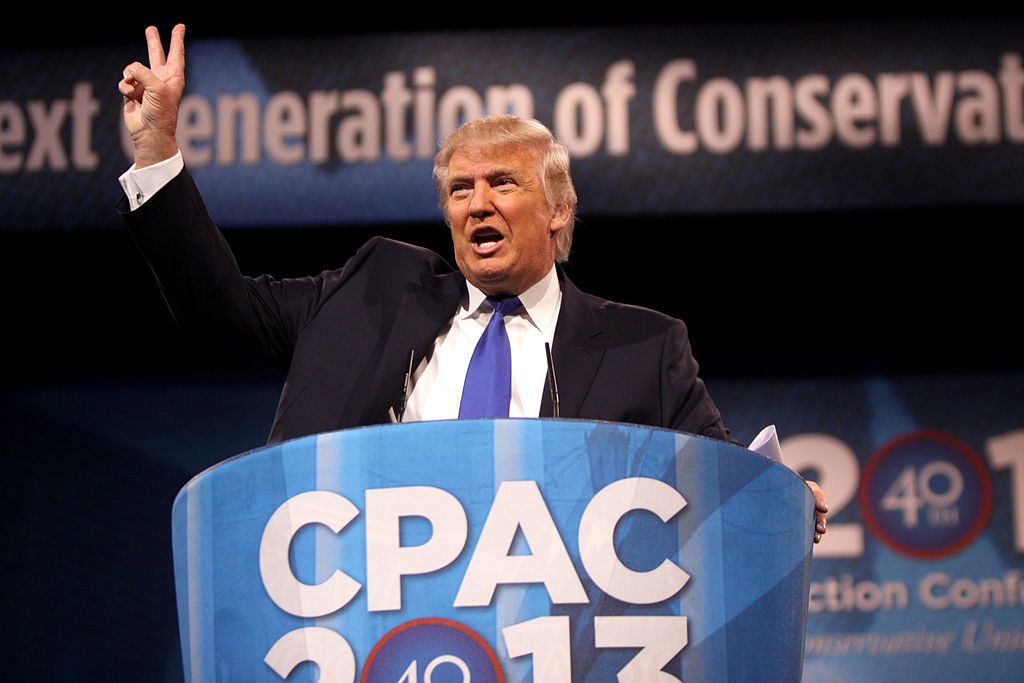
President Donald Trump’s ambitious push to expand broadband access in 2025 aims to bridge the digital divide, a long-standing challenge for rural and underserved areas in the United States. While the administration touts its commitment to universal connectivity, critics question the execution and the role of major telecommunications companies in shaping these policies.
Federal Investment and Private Sector Partnerships
Trump’s administration has pledged $65 billion in federal funding to accelerate broadband infrastructure deployment. The initiative focuses on underserved areas, including rural communities and low-income urban neighborhoods. Funding is allocated through grants and subsidies under the Federal Communications Commission’s (FCC) Universal Service Fund and the Department of Agriculture’s ReConnect Program.
To maximize efficiency, the plan involves partnerships with private-sector giants, such as Verizon and AT&T. These companies are tasked with expanding fiber-optic networks and rolling out 5G technology in regions lacking reliable internet. The administration argues that collaboration with established providers ensures scalability and expertise.
Critics, however, express concerns about potential conflicts of interest. Smaller internet service providers (ISPs) argue that the policy disproportionately benefits industry leaders, sidelining local operators better suited for rural projects. Advocacy groups also warn that insufficient oversight could lead to uneven implementation and missed deadlines.
Prioritizing Affordability and Digital Literacy
Beyond infrastructure, Trump’s plan emphasizes affordability, aiming to reduce monthly costs for low-income households through subsidized programs. The Affordable Connectivity Initiative, an expanded version of a pre-existing federal subsidy, provides eligible families with discounts on internet services and devices.
Additionally, the administration has launched digital literacy campaigns to equip individuals with the skills needed to navigate an increasingly digital world. Partnerships with schools and libraries are central to these efforts, promoting equitable access to educational resources.
However, critics highlight the lack of detailed timelines and accountability measures. Some question whether subsidies will be enough to offset high installation costs in remote areas, leaving communities still waiting for reliable access.
Public Reactions: Praise and Pushback on Social Media
The broadband expansion plan has sparked a flurry of opinions online, reflecting both optimism and skepticism:
- @TechForAll: “Finally! Rural America deserves fast internet. This investment is a step in the right direction.”
- @LocalISPAdvocate: “Trump’s plan just hands power to Big Telecom. Small providers could do this more efficiently!”
- @EduConnect2025: “Affordable broadband means kids can learn, grow, and compete. This is a win for education!”
- @CriticWatchdog: “$65B sounds great, but will it actually reach the communities that need it most? I doubt it.”
- @InnovationFan: “5G for everyone? This is a game-changer! Let’s make America digitally unstoppable!”
- @RuralReality: “We’ve heard promises before. Let’s see if Trump actually delivers this time.”







