


 Ukraine Names Yevhenii Khmara Defence Minister Amid Election Row
  Angie Nixon Scores Florida Senate Primary Upset as Key Midterm Races Take Shape
  UN Chief Raises Concern Over US Sanctions on ICC Officials
  Israel Strikes Syrian Airbase Near Aleppo, Raising Tensions With Turkey
  Trump Says Iran Talks Halted as Hormuz Dispute Pushes Oil Higher
  Russia-Ukraine Drone Attacks Escalate as Strikes Hit Moscow, Kyiv and Romania
  Trump Approval Rating Hits Presidency Low as Iran War Concerns Grow
  Trump Says Kim Jong Un Responded to Outreach After US Scales Back South Korea Military Drills
  Israeli Airstrikes Kill 10 Palestinians in Gaza as Ceasefire Diplomacy Stalls
  Trump Pauses 50% Canada Tariffs for Three Days as U.S. Trade Deal Takes Shape
  US, South Korea Cut Joint Military Drills as Trump Seeks North Korea Talks
  Gérald Darmanin Backs Édouard Philippe for 2027 French Presidential Election
  Gaza Zoo Struggles to Save Animals Amid War
  US CENTCOM Chief Praises USS Abraham Lincoln Crew Amid Mental Health Concerns
  Trump Says Iran Should Surrender as Nuclear Deal Talks Stall
  Trump Says Iran Talks Halted as Strait of Hormuz Dispute Fuels Oil Concerns
  Israel, Syria Discuss Turkey’s Military Presence Before Airstrike


 Add as a preferred source on Google
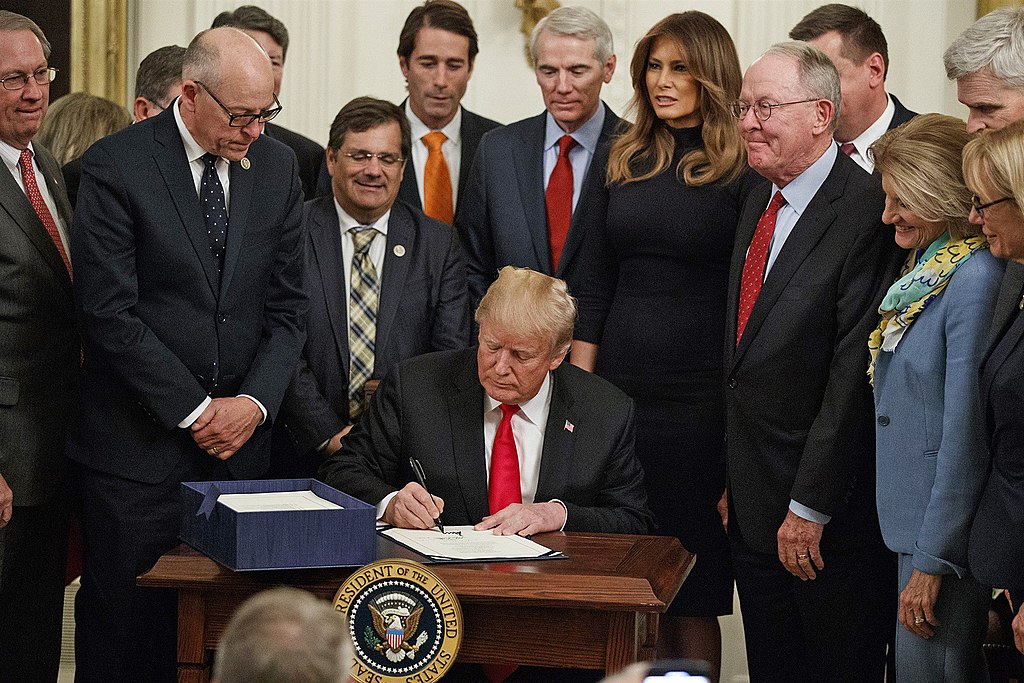
In a move that has drawn both praise and criticism, President Donald Trump announced his administration's ambitious strategy to safeguard national monuments in 2025. The plan, unveiled at a press conference on Tuesday, includes increased federal funding, enhanced public-private partnerships, and revised protections under the Antiquities Act. However, environmentalists and some lawmakers are questioning the president’s true commitment, pointing to past controversies surrounding public lands.
National monuments, which preserve culturally and historically significant sites across the U.S., have long been a focal point of conservation efforts. Under Trump’s previous term, his administration faced backlash for reducing protections for landmarks like Bears Ears and Grand Staircase-Escalante in Utah. Now, with renewed promises, the president seeks to reshape his legacy on environmental stewardship.
Increased Funding and Revised Regulations
The cornerstone of Trump’s plan is a proposed $500 million federal budget allocation to maintain and restore aging infrastructure within national monuments. This funding will support trail maintenance, visitor centers, and educational programs, aimed at boosting tourism and public engagement.
Additionally, Trump has proposed updates to the Antiquities Act to clarify criteria for designating national monuments. Critics argue these revisions could weaken protections by prioritizing economic development, such as mining and drilling, over conservation. However, the administration insists the changes will promote a balanced approach, ensuring both environmental preservation and economic opportunity.
In his remarks, Trump emphasized the importance of protecting the nation’s heritage for future generations. “Our monuments tell the story of America,” he said. “We will preserve these treasures while unlocking their full potential for all Americans.”
Public Divided Over Trump’s Monument Strategy
While Trump’s supporters praise his approach as a much-needed modernization of public land policies, critics remain skeptical of the administration’s intentions. The public reaction has been swift and polarized, with many taking to social media to express their views.
- @SaveOurLands: “Trump says he’s protecting monuments, but his track record shows otherwise. Watch closely—this could be disastrous.”
- @PatriotParks2025: “Finally, a president who understands the balance between conservation and economic growth. Trump is putting America first!”
- @EcoJusticeNow: “Revising the Antiquities Act is code for selling out our national treasures to corporate interests. We won’t stand for it!”
- @TourismBoosters: “More funding for visitor centers is great, but we need long-term commitments, not temporary fixes.”
- @MonumentLover: “I’ll believe Trump’s conservation promises when I see real action—not just words.”
- @BalancedApproach: “Critics need to calm down. Let’s see if the plan delivers before jumping to conclusions.”
Challenges and Uncertainty Ahead
Despite the administration’s pledges, challenges loom for Trump’s national monument strategy. Environmental groups warn that revising the Antiquities Act could lead to significant deregulation, endangering fragile ecosystems. Furthermore, the proposed budget increase has yet to secure congressional approval, raising doubts about its feasibility.
Experts also highlight the need for collaboration with tribal nations, many of whom hold sacred connections to these lands. Ensuring meaningful consultation could determine the success or failure of Trump’s plan.
While the administration seeks to strike a balance between conservation and economic use, public trust remains a critical hurdle. Whether Trump’s plan will protect America’s iconic landmarks or further polarize the debate over public lands remains uncertain.







