


 Canada Faces 50% U.S. Tariffs as Trade Tensions Threaten USMCA Talks
  Angie Nixon Scores Florida Senate Primary Upset as Key Midterm Races Take Shape
  Gaza Zoo Struggles to Save Animals Amid War
  Erdogan Urges Trump to Resume Iran Talks, Offers Turkey’s Support for Peace Efforts
  Trump Approval Rating Hits Presidency Low as Iran War Concerns Grow
  UN Chief Raises Concern Over US Sanctions on ICC Officials
  Israel, Syria Discuss Turkey’s Military Presence Before Airstrike
  Trump Pauses 50% Canada Tariffs for Three Days as U.S. Trade Deal Takes Shape
  US CENTCOM Chief Praises USS Abraham Lincoln Crew Amid Mental Health Concerns
  US, South Korea Cut Joint Military Drills as Trump Seeks North Korea Talks
  Trump Says Iran Talks Halted as Hormuz Dispute Pushes Oil Higher
  US, South Korea Cut Joint Military Drills After Trump Orders Reduced Role
  US Eyes Refinery Boost as Trump Seeks Relief From High Gas Prices
  Pentagon Weighs Permanent U.S. Military Drawdown in Persian Gulf
  Israel Strikes Syrian Airbase Near Aleppo, Raising Tensions With Turkey
  Trump Says Kim Jong Un Responded to Outreach After US Scales Back South Korea Military Drills


 Add as a preferred source on Google
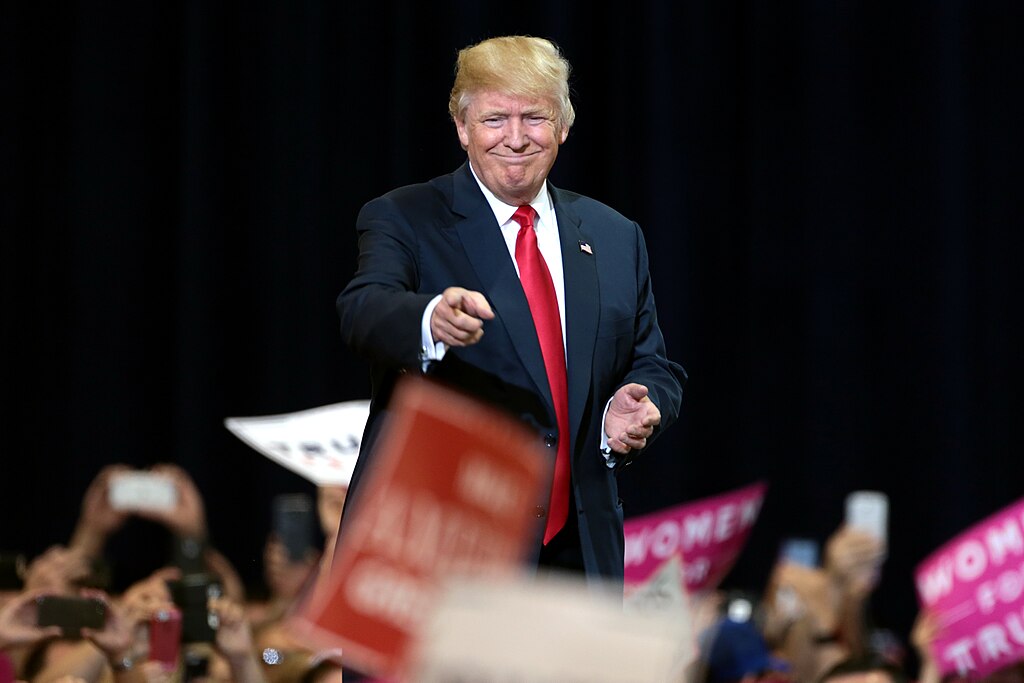
In 2025, President Donald Trump’s administration has prioritized expanding high-speed internet access for schools nationwide. Amid growing concerns about digital divides in education, this initiative aims to bolster technological infrastructure, ensuring equitable learning opportunities. However, critics argue the plan might not sufficiently address challenges faced by rural and underserved communities.
Bridging the Digital Divide in Education
The Trump administration’s proposal focuses on accelerating broadband deployment in public schools. Leveraging public-private partnerships, the plan allocates federal grants to encourage internet service providers (ISPs) to extend their networks. According to the Department of Education, the goal is to ensure that 98% of schools have access to reliable, high-speed internet by the end of the year.
Education Secretary Betsy DeVos has highlighted the urgency of the initiative, stating that “a lack of internet access is robbing students of opportunities.” The administration also aims to enhance Wi-Fi capabilities within classrooms, enabling seamless use of digital resources and tools for virtual learning.
While urban areas stand to benefit significantly, rural districts face unique barriers. Sparse populations and high infrastructure costs have historically deterred ISPs from investing in rural connectivity. Advocates warn that without targeted solutions for these regions, the plan risks widening the gap it seeks to close.
Challenges and Criticism
Despite its ambitious targets, Trump’s internet expansion policy has drawn criticism from educators and digital equity advocates. Rural school leaders have expressed concerns about implementation costs, particularly for upgrading older infrastructures that are incompatible with modern broadband systems. Moreover, the reliance on ISPs to voluntarily participate in federal programs has raised doubts about the plan’s feasibility.
Critics also point to a lack of emphasis on affordability for low-income households. While schools may gain faster internet, students without home access remain at a disadvantage, potentially exacerbating educational inequities. Advocates are calling for more comprehensive measures, such as subsidized broadband plans for families in need.
Netizens React
The announcement of Trump’s internet accessibility initiative has ignited spirited debate online. Here’s what netizens are saying:
- @TechTeachUSA: “Great plan for urban areas, but what about rural students? Broadband deserts need attention too! #DigitalDivide”
- @RuralEduAdvocates: “Rural schools are being left behind again. Federal funding must prioritize us! #InternetForAll”
- @EdRevolution2025: “Finally, a step in the right direction for tech in education! Let’s hope they follow through. #DigitalFuture”
- @EquityMatters: “Access without affordability? How will low-income families benefit if they can’t afford internet at home? #DigitalEquity”
- @STEM4Life: “Props to the administration for recognizing the problem, but execution will be key. Don’t let us down! #BroadbandAccess”
- @ParentInSuburbia: “My kids are already thriving with fast internet. It’s time ALL kids get the same opportunity! #EdTech”







