


 Angie Nixon Scores Florida Senate Primary Upset as Key Midterm Races Take Shape
  Trump Administration Allocates $206 Million for Gaza Peacekeeping Force
  Pentagon Weighs Permanent U.S. Military Drawdown in Persian Gulf
  Israeli Airstrike Kills Six Palestinians in Gaza as Trump Peace Plan Stalls
  US, South Korea Cut Joint Military Drills as Trump Seeks North Korea Talks
  Trump Says Iran Talks Halted as Hormuz Dispute Pushes Oil Higher
  Trump Pauses 50% Canada Tariffs for Three Days as U.S. Trade Deal Takes Shape
  Trump Says Kim Jong Un Responded to Outreach After US Scales Back South Korea Military Drills
  US Eyes Refinery Boost as Trump Seeks Relief From High Gas Prices
  Trump Says Iran Should Surrender as Nuclear Deal Talks Stall
  UN Chief Raises Concern Over US Sanctions on ICC Officials
  South Korea’s Lee Calls for Stronger Defence as US Eyes Reduced Joint Drills
  Erdogan Urges Trump to Resume Iran Talks, Offers Turkey’s Support for Peace Efforts
  Trump Approval Rating Hits Presidency Low as Iran War Concerns Grow
  US, South Korea Cut Joint Military Drills After Trump Orders Reduced Role
  Trump Eyes 15% Tariff on Canadian Auto Imports in New Trade Deal
  Trump Says Iran Talks Halted as Strait of Hormuz Dispute Fuels Oil Concerns


 Add as a preferred source on Google
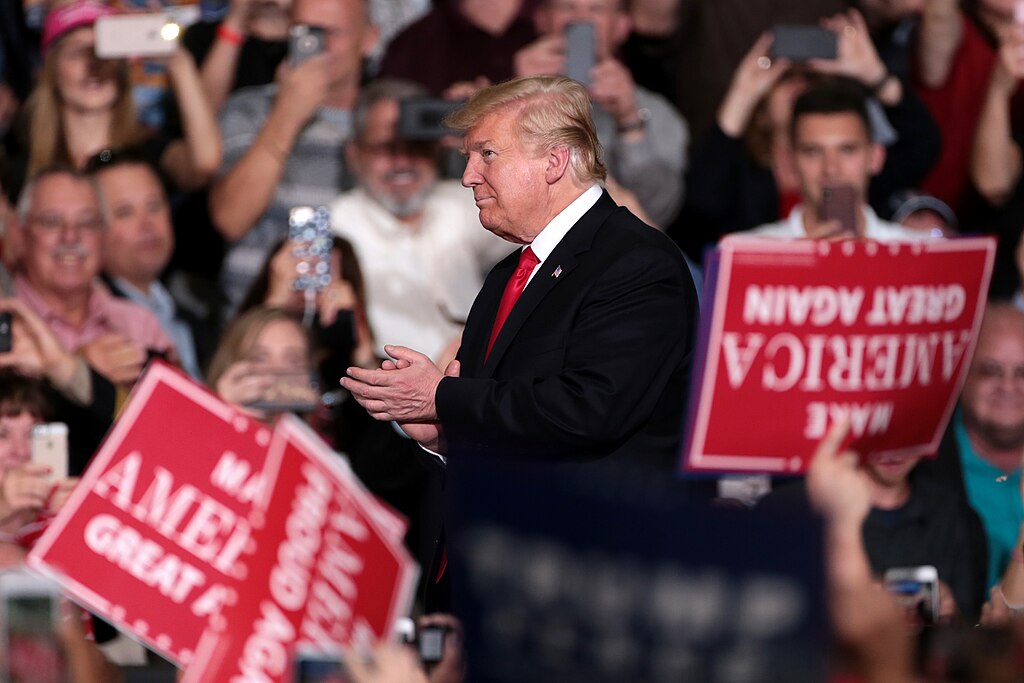
As 2025 unfolds, former President Donald Trump’s administration is setting its sights on improving the nation’s weather forecasting systems. Amid mounting concerns over climate unpredictability and disaster preparedness, Trump has outlined a strategy aimed at modernizing weather forecasting technologies and improving communication channels for critical weather alerts.
Upgrading Weather Technology to Protect Communities
The Trump administration has prioritized investing in advanced meteorological tools, including artificial intelligence and satellite systems. These upgrades aim to enhance the accuracy of storm tracking and provide more timely warnings for natural disasters. According to the National Oceanic and Atmospheric Administration (NOAA), many existing systems lack the capacity to predict sudden climatic shifts, which can have devastating effects on vulnerable communities.
Trump’s plan includes a $2 billion investment to modernize the nation's aging weather infrastructure. This funding will be directed toward deploying high-resolution satellites and implementing machine learning algorithms capable of processing vast amounts of meteorological data in real-time. These upgrades are expected to improve early detection of hurricanes, tornadoes, and other severe weather events by up to 40%, according to sources familiar with NOAA’s proposals.
Critics, however, question whether the proposed budget will sufficiently address the growing demand for weather data accuracy in an era of extreme climate events. Environmental advocacy groups have also expressed concerns over the exclusion of climate scientists from advisory roles in crafting these policies.
Focusing on Public Safety and Awareness
In addition to technological advancements, Trump’s policy includes measures to bolster public awareness. Plans are underway to develop a centralized alert system that integrates weather updates with social media platforms to ensure critical information reaches citizens faster. The administration has also proposed partnerships with state governments and private weather companies to create uniform weather reporting standards.
Despite these initiatives, opponents argue that focusing on short-term fixes, such as alert systems, may not address the root causes of climate variability. “Investing in mitigation strategies, not just forecasting, is what’s truly needed,” said Dr. Elena Peterson, a climate policy researcher.
Netizens React to Trump’s Weather Strategy
The announcement of Trump’s weather forecasting policies sparked a mix of reactions on social media. Here’s what six netizens had to say:
- @SkyWatcher42: "Finally! Someone is addressing our outdated weather systems. Long overdue upgrade. Let’s see results this time!"
- @ClimateRealist: "Throwing money at forecasting won’t fix climate change. This plan avoids tackling the bigger problem!"
- @StormHunter88: "As a storm chaser, I welcome anything that improves safety and accuracy in forecasting!"
- @NewsJunkie01: "Will Trump’s satellites focus on science or politics? History suggests we can’t trust his priorities."
- @GreenEarthNow: "Why modernize forecasts if you ignore what causes the storms? This plan misses the mark entirely."
- @RainOrShine: "Love the idea of better alerts. More lives could be saved if people had enough warning!"
Strengths and Weaknesses of the Plan
The plan’s strengths lie in its focus on leveraging cutting-edge technology and enhancing public communication channels. However, its primary weakness is the lack of emphasis on addressing long-term climate challenges, which could undermine its effectiveness in combating the root causes of extreme weather.
Recommendations and Sources
To strengthen this article, adding official NOAA reports, scientific studies, and statements from independent experts would bolster its credibility. For further details, consult NOAA’s latest infrastructure proposals and analyses from the Union of Concerned Scientists.







