


 US Bans Canadian Alcohol, Motorcycles as Trade War Escalates
  UK, Mauritius Seek Diego Garcia Base Deal
  Trump Bans CNN, MS NOW and Politico From White House
  Trump Sets High-Stakes UN Meetings With Zelenskiy, Gulf Leaders
  United Russia Leads Russia Election as Ukraine Drones Hit Moscow
  Brazil Court Suspends Sigma Lithium Mine Operations
  Pentagon Restarts Testosterone Testing for US Troops
  SEC Seeks ISS Client Voting Records in Proxy Adviser Probe
  Denmark Says Greenland Sovereignty Protected in US Military Deal
  U.S. Imposes New Visa Restrictions Over South Africa Policies
  FDA Names Permanent Drug and Biologics Center Chiefs
  Trump Scales Back Endangered Species Act Protections
  Vietnam, US Trade Deal Could Be Signed Soon, To Lam Says
  FAA Allows Boeing to Sell 35 More 777F Freighters Beyond 2028
  Saudi Arabia Shuts East-West Oil Pipeline After Drone Attack
  Zelenskiy Meets CIA Chief John Ratcliffe at Ireland’s Shannon Airport
  US-China Talks Target AI, Tariffs Ahead of Trump-Xi Summit


 Add as a preferred source on Google
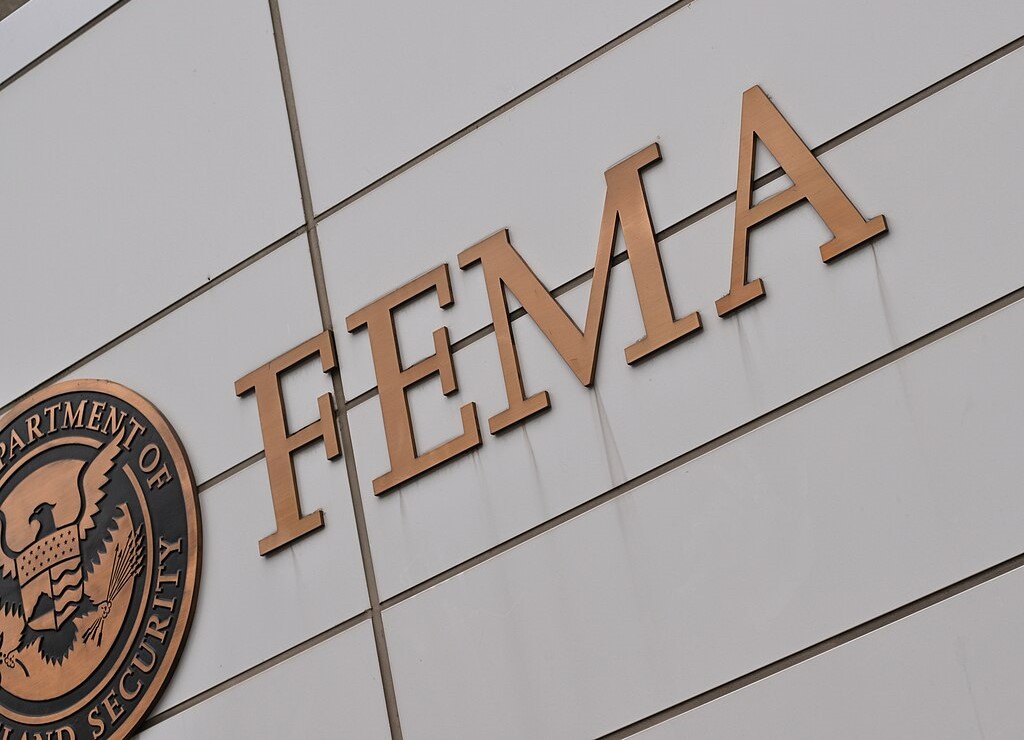
The Federal Emergency Management Agency has announced the resumption of a key disaster prevention initiative after facing legal challenges that forced the reversal of its earlier cancellation. The agency is once again accepting applications for the Building Resilient Infrastructure and Communities (BRIC) program, making $1 billion in federal funding available to eligible applicants.
States, local governments, territories, and Tribal Nations can now apply for grants aimed at reducing the impact of natural disasters such as wildfires, floods, earthquakes, and hurricanes. The program focuses on proactive investment in infrastructure and community resilience before disasters strike, rather than responding to damage after the fact.
FEMA's reinstatement of the BRIC program follows two significant court rulings. U.S. District Judge Richard Stearns determined in December that the Trump administration had unlawfully terminated the program and subsequently issued a follow-up order this month directing FEMA to take further steps toward fully restoring it. The agency complied by reopening the funding application process.
The program's original cancellation came in April of last year when FEMA characterized it as wasteful, ineffective, and politically motivated. Critics, including several Democratic lawmakers, pushed back strongly against that decision, arguing the administration was deliberately delaying and withholding disaster mitigation grants from communities in need.
Operating under the U.S. Department of Homeland Security, FEMA carries a broad mandate to support communities before, during, and after disasters. The agency coordinates emergency personnel, equipment, and supplies in response to large-scale natural disasters. However, it has undergone considerable workforce reductions since President Trump began his second term in January 2025, raising concerns about its long-term operational capacity.
The revival of the BRIC program marks a notable shift following sustained judicial pressure, offering renewed hope for communities seeking federal support in building long-term disaster resilience.







