


 Angie Nixon Scores Florida Senate Primary Upset as Key Midterm Races Take Shape
  Trump Says Iran Talks Halted as Strait of Hormuz Dispute Fuels Oil Concerns
  Trump Says Iran Talks Halted as Hormuz Dispute Pushes Oil Higher
  Gérald Darmanin Backs Édouard Philippe for 2027 French Presidential Election
  US, South Korea Cut Joint Military Drills as Trump Seeks North Korea Talks
  Erdogan Urges Trump to Resume Iran Talks, Offers Turkey’s Support for Peace Efforts
  US, South Korea Cut Joint Military Drills After Trump Orders Reduced Role
  South Korea’s Lee Calls for Stronger Defence as US Eyes Reduced Joint Drills
  Trump Approval Rating Hits Presidency Low as Iran War Concerns Grow
  Israel, Syria Discuss Turkey’s Military Presence Before Airstrike
  Trump Says Iran Should Surrender as Nuclear Deal Talks Stall
  Russia-Ukraine Drone Attacks Escalate as Strikes Hit Moscow, Kyiv and Romania
  Israeli Airstrikes Kill 10 Palestinians in Gaza as Ceasefire Diplomacy Stalls
  Ukraine Names Yevhenii Khmara Defence Minister Amid Election Row
  US CENTCOM Chief Praises USS Abraham Lincoln Crew Amid Mental Health Concerns
  Trump Eyes 15% Tariff on Canadian Auto Imports in New Trade Deal
  Israeli Airstrike Kills Six Palestinians in Gaza as Trump Peace Plan Stalls


 Add as a preferred source on Google
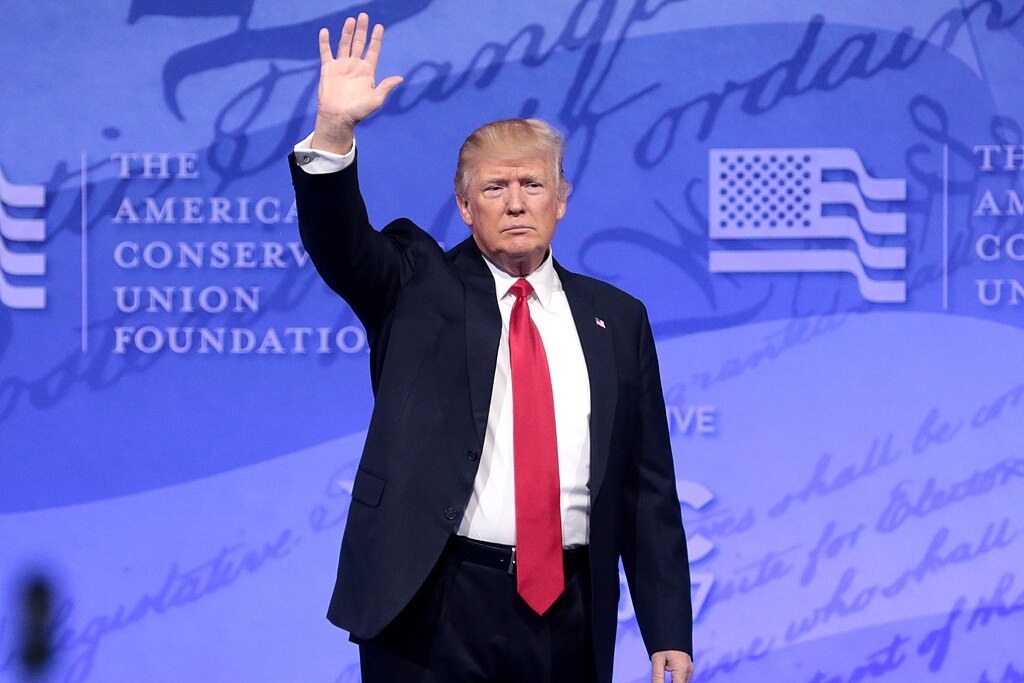
As social media platforms face mounting criticism for enabling cyberbullying, Donald Trump’s administration in 2025 is taking decisive steps to address the issue. By implementing new federal guidelines and encouraging accountability among tech giants, Trump aims to curb online harassment, particularly among minors. However, critics and netizens are divided over whether these measures go far enough—or if they infringe on free speech.
National Guidelines Aim to Regulate Cyberbullying
The Trump administration has introduced federal guidelines requiring social media platforms to adopt stricter anti-bullying protocols. These guidelines include mandating real-name registration, enhanced content moderation, and swift reporting mechanisms. Platforms failing to comply could face hefty fines, sparking significant concern among tech companies.
The Department of Justice, in collaboration with the Federal Communications Commission (FCC), unveiled the framework earlier this year. This policy seeks to balance user privacy with the need for accountability, a challenge long debated in the tech community.
While administration officials tout the program’s benefits, critics warn that such policies could stifle free expression. Civil liberties advocates argue that enforcing real-name registration could discourage marginalized groups from using social media platforms, exposing them to potential offline repercussions.
Tech Companies Under Pressure
Major social media platforms, including Meta and X (formerly Twitter), are under pressure to adopt the new regulations. CEO Elon Musk has expressed reservations, noting that over-policing user content could alienate millions of users.
To ensure compliance, Trump’s plan also establishes a task force within the Department of Homeland Security. This team will investigate cyberbullying incidents, ensuring tech companies follow through on their commitments.
Advocates of the policy, including several child safety organizations, believe these measures are long overdue. “Online bullying has devastating effects, especially among teens,” said a spokesperson for StopCyberHarm, an advocacy group. “We need stronger enforcement mechanisms, and this initiative is a step in the right direction.”
Netizens React to Trump’s Cyberbullying Policies
The policy has ignited widespread debate online, with reactions flooding social media:
- @FreedomWriter23: “Trump’s so-called solution is just another way to spy on us! Say goodbye to online privacy. #CyberbullyingCrisis”
- @CyberSafeMom: “About time! If this stops even one kid from being bullied, it’s worth it. #EndCyberBullying”
- @LibertyWatchdog: “First it’s anti-bullying laws, next they’ll silence anyone who disagrees with the government. Beware. #OnlineFreedom”
- @TechGuru1989: “These platforms have the resources to fix this issue, but they care more about profits than people. #CyberSafetyNow”
- @ParentFirst2025: “I don’t care who’s president—if it protects kids, I’m all for it. #ProtectOurChildren”
- @DigitalNomad94: “Good initiative, but what about trolls? You can’t legislate human behavior. #ComplexProblem”
Strengths and Weaknesses of the Strategy
The administration’s initiative shows a clear commitment to addressing cyberbullying but has notable weaknesses. Its strengths include a federal framework for accountability and collaboration with advocacy groups. However, critics argue that enforcing real-name registration may deter whistleblowers and activists. Additionally, there are concerns about whether the government’s oversight could be misused for political purposes.
To improve the policy, experts suggest including an independent oversight body and offering grants to tech firms for developing AI-driven moderation tools. Comprehensive guidelines balancing privacy and safety will be essential for long-term success.







