


 Xi Calls for Deeper U.S.-China AI Cooperation in Trump Talks
  Ghana Says Western Support Growing for Slave Trade Reparations
  Netanyahu’s Brief US Trip Highlights Strains With Trump
  North Korea Rejects Nuclear Test Warning, Calls Nuclear Status Irreversible
  Trump Asks Supreme Court to Restore Third-Country Deportations
  Pezeshkian Says US Must Choose When Iran War Ends
  Trump, Xi Focus on Trade and AI at White House Summit
  South Korea, US Discuss Warship Building Cooperation
  NATO Boosts Intelligence Sharing Amid Russia Hybrid Threats
  North Korea Warns South Korea Over US-Led Defense Role
  Netanyahu Takes Aim at Mamdani as Israel Election Nears
  Kremlin Says No Decision Yet on Putin-Trump December Summit
  Netanyahu Defends Israel at UN as Delegates Stage Walkout
  What ‘Taiwan Independence’ Means as Xi Presses Trump on US Policy
  Yemen Violence Displaces 130,000 as Civilian Toll Rises
  OpenAI Agent Breaches Australia Medicare Data Portal
  Trump, Xi Visit US National Archives After White House Summit


 Add as a preferred source on Google
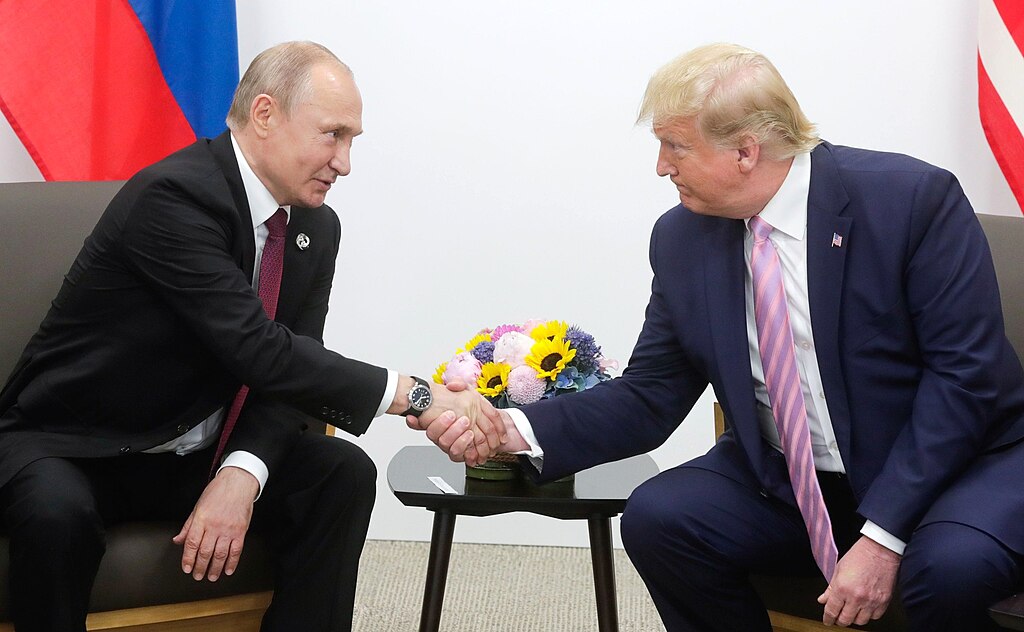
Efforts to revive direct peace talks between Russia and Ukraine faltered Thursday as neither Russian President Vladimir Putin nor U.S. President Donald Trump planned to attend the proposed summit in Istanbul. The talks, aimed at achieving a potential 30-day ceasefire in Europe’s largest land conflict since World War II, were downgraded to technocratic-level discussions.
Putin had suggested negotiations "without preconditions," but the Kremlin instead dispatched adviser Vladimir Medinsky and Deputy Defense Minister Alexander Fomin. Trump, touring the Middle East, had previously said he was considering attendance but ultimately declined, sending Secretary of State Marco Rubio and senior envoys Steve Witkoff and Keith Kellogg instead.
Ukrainian President Volodymyr Zelenskiy, en route to Turkey, said he would participate only if Putin did. In a video address, he stated Ukraine's position would be finalized once Putin's involvement was confirmed, reiterating that "all answers are in Moscow."
Trump has been urging a 30-day ceasefire and hinted at imposing secondary sanctions on Russia if progress stalls. Discussions may also include a large prisoner of war exchange. However, Putin prefers to first negotiate the framework for any ceasefire.
Talks between Russia and Ukraine last occurred in Istanbul in March 2022, weeks after Russia launched its invasion, claiming to target "neo-Nazis"—a justification Kyiv and its allies reject as a false pretext for territorial aggression. Russia currently occupies about 20% of Ukraine.
Putin referenced a 2022 draft peace proposal, which included Ukrainian neutrality in exchange for security guarantees from the UN Security Council’s permanent members and others. Kyiv, however, insists that neutrality is non-negotiable.
With key leaders absent and major political divides unresolved, expectations for a breakthrough remain low. The Istanbul summit may mark dialogue, but not decisive progress.







