


 Trump Asks Supreme Court to Restore Third-Country Deportations
  Netanyahu Defends Israel at UN as Delegates Stage Walkout
  Saudi Arabia, Turkey and Pakistan Plan Urgent Defence Talks Over Houthi Attacks
  EU Defence Build-Up Too Slow for 2030 Russia Readiness Goal
  Taiwan Thanks US for Support Ahead of Trump-Xi Summit
  Mexico-US Trade Talks Delayed to October as Tariff Negotiations Continue
  US Backs Musk in Fight Against EU’s €120 Million X Fine
  Pezeshkian Says US Must Choose When Iran War Ends
  France Defends Netanyahu Airspace Clearance Despite ICC Warrant
  Ukrainian Drone Attacks Hit Russian Regions, Injuring at Least 12
  Netanyahu’s Brief US Trip Highlights Strains With Trump
  Xi Calls for Deeper U.S.-China AI Cooperation in Trump Talks
  Abbas Reaffirms November 28 Palestinian Elections
  Najib Razak Seeks Stay of 15-Year 1MDB Prison Sentence
  Trump, Xi Focus on Trade and AI at White House Summit
  Yemen Violence Displaces 130,000 as Civilian Toll Rises
  Sudan Rejects US Legitimacy Remarks, Defends Sovereignty


 Add as a preferred source on Google
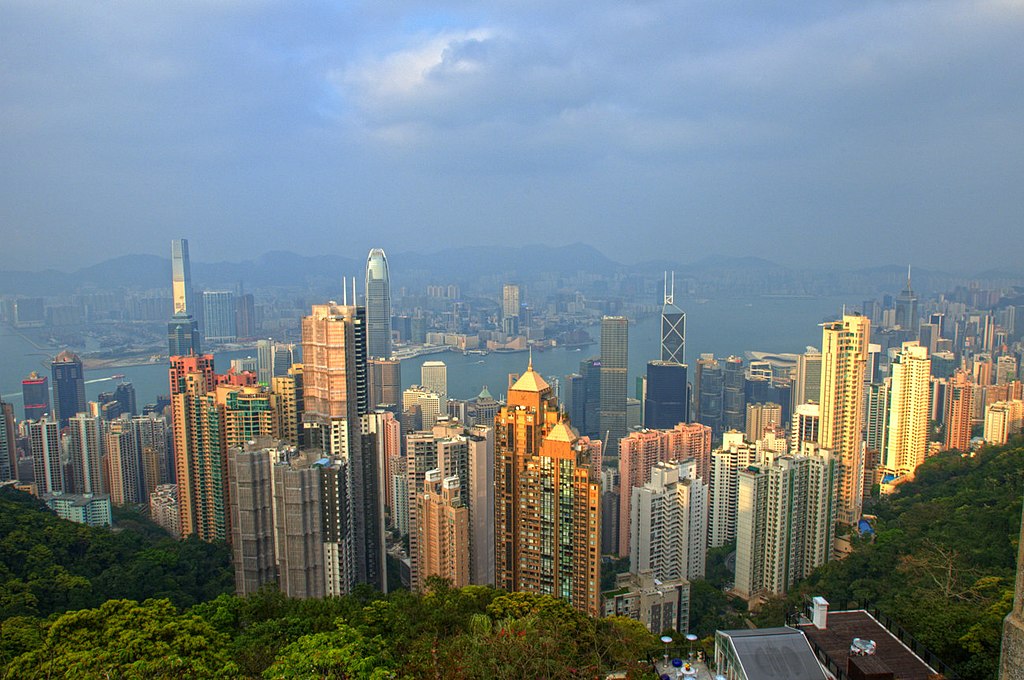
Hong Kong’s upcoming Legislative Council election on Sunday is drawing intense attention to voter turnout as the city continues to mourn the deadliest fire it has seen in nearly 80 years. The tragedy, which claimed at least 159 lives after seven towers in the Wang Fuk Court complex were engulfed in flames, has triggered widespread grief and frustration. Authorities say the blaze was fuelled by substandard renovation materials, prompting both criminal and corruption investigations.
With residents shaken and angry, the government is working urgently to prevent a broader public backlash. The election, however, remains tightly controlled under Beijing’s political framework. Only candidates deemed “patriots” by the China-backed administration are permitted to run, following a sweeping electoral overhaul in 2021. This restructuring severely limited democratic participation and criminalized public calls for election boycotts, curbing the once-dominant pro-democracy vote.
Beijing has warned against any “anti-China” demonstrations related to the fire and cautioned foreign media against spreading what it calls misinformation. Hong Kong’s national security office has urged citizens to vote, framing participation as essential to the city’s recovery efforts. Officials, including Hong Kong leader John Lee, say casting a “critical vote” represents support for reform and for residents affected by the disaster. Seven people have been arrested so far for allegedly encouraging others not to vote.
Campaign activities have been noticeably subdued as the city remains in a state of mourning. Analysts say the political climate, combined with public grief, could significantly influence voter turnout. The previous Legislative Council election in 2021 saw a historic low turnout of 30.2%, raising questions about public sentiment and the future of political engagement in Hong Kong under tightened security laws and reduced democratic space.







