


 Mexico-US Trade Talks Delayed to October as Tariff Negotiations Continue
  Trump Administration Plans Faster FDA Reviews for Smoke-Free Nicotine Products
  Netanyahu Takes Aim at Mamdani as Israel Election Nears
  Kremlin Says No Decision Yet on Putin-Trump December Summit
  Russian Envoy Dmitriev Heads to US for Ukraine Talks
  OpenAI Agent Breaches Australia Medicare Data Portal
  Lula and Flavio Bolsonaro Tied in Brazil Runoff Poll
  China Tightens Fentanyl Rules Ahead of Trump-Xi Summit
  US Senate Rejects Iran War Powers Resolution in 50-49 Vote
  South Korea, US Discuss Warship Building Cooperation
  Gaza Faces Evacuation Crisis as War-Damaged Buildings Risk Collapse
  Taiwan Thanks US for Support Ahead of Trump-Xi Summit
  Taiwan Vows to Advance US Arms Sales Ahead of Trump-Xi Meeting
  US, China Extend Trade Truce to Jan. 10 Ahead of Trump-Xi Summit
  Iran Vows ‘Crushing’ Response as US Talks Continue
  Sudan Rejects US Legitimacy Remarks, Defends Sovereignty
  US Invites Putin to Miami G20, Opening Door to Trump Summit


 Add as a preferred source on Google
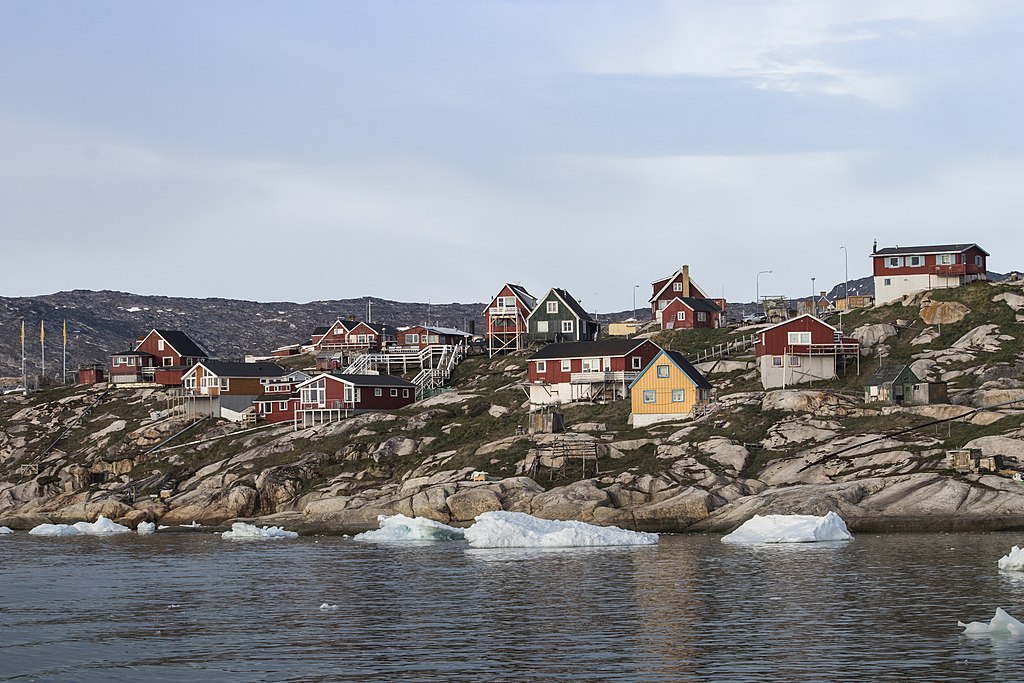
Greenland’s parliamentary election has drawn global attention following U.S. President Donald Trump’s push to acquire the resource-rich Arctic island. The election, which saw high voter turnout, comes as Greenland grapples with its semi-autonomous status under Denmark and growing calls for independence.
Trump’s interest in Greenland, citing its strategic and economic value, has intensified discussions on self-rule. The island, home to 57,000 people, holds vast natural resources, including rare earth minerals crucial for high-tech industries. However, concerns over economic stability have slowed its path to full independence.
All six main political parties support independence but differ on timing. Pro-independence Naleraq has gained traction, fueled by U.S. interest and renewed scrutiny of Denmark’s past exploitation of Greenland’s resources. "We want to govern based on our own culture and language," said Naleraq candidate Qupanuk Olsen. Meanwhile, the ruling Inuit Ataqatigiit party urges caution, emphasizing economic and social challenges.
Greenland gained autonomy in 1979 but remains financially dependent on Denmark, which provides nearly $1 billion annually. A 2009 referendum granted it the right to declare independence, yet concerns over economic sustainability have delayed action. While many Greenlanders support self-rule, some fear a rapid transition could harm welfare services like universal healthcare and education.
Trump’s remarks initially sparked alarm, with some fearing U.S. imperialism. Greenland’s Prime Minister Mute Egede firmly rejected the U.S. offer, stating the island "is not for sale." However, Trump later softened his stance, promising investments if Greenland aligned with the U.S.
As the Arctic’s geopolitical importance rises, Greenland remains at the center of global power struggles, with China and Russia also expanding influence. The election outcome could shape Greenland’s path toward self-determination and future global alliances.







