


 Abbas Reaffirms November 28 Palestinian Elections
  Judge Orders Trump to Restore White House Access for CNN, MS NOW and Politico
  EU Defence Build-Up Too Slow for 2030 Russia Readiness Goal
  OpenAI Agent Breaches Australia Medicare Data Portal
  NATO Boosts Intelligence Sharing Amid Russia Hybrid Threats
  Trump, Xi Focus on Trade and AI at White House Summit
  Netanyahu Defends Israel at UN as Delegates Stage Walkout
  Ukrainian Drone Attacks Hit Russian Regions, Injuring at Least 12
  Najib Razak Seeks Stay of 15-Year 1MDB Prison Sentence
  Kremlin Says No Decision Yet on Putin-Trump December Summit
  Xi Calls for Deeper U.S.-China AI Cooperation in Trump Talks
  What ‘Taiwan Independence’ Means as Xi Presses Trump on US Policy
  US Senate Rejects Iran War Powers Resolution in 50-49 Vote
  Russian Missile and Drone Attack on Kyiv Kills Two, Damages Maternity Hospital
  Netanyahu Takes Aim at Mamdani as Israel Election Nears
  Mexico-US Trade Talks Delayed to October as Tariff Negotiations Continue
  Sudan Rejects US Legitimacy Remarks, Defends Sovereignty


 Add as a preferred source on Google
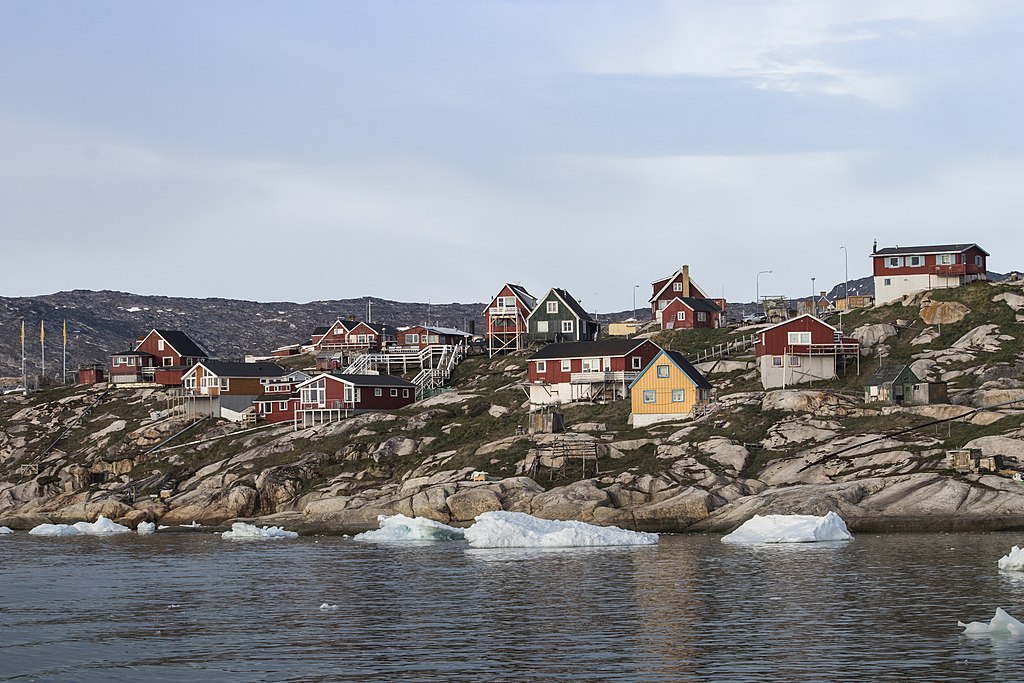
Greenland’s political debate over independence and its relationship with the United States has intensified after a senior opposition leader called for direct talks with Washington, bypassing Denmark, amid renewed pressure from U.S. President Donald Trump. The comments highlight growing divisions within Greenland as the Arctic island navigates rising geopolitical interest and strategic competition.
In remarks to Reuters, Pele Broberg, leader of the pro-independence Naleraq party, urged Greenland’s government to open direct dialogue with the U.S. government without Danish involvement. Broberg argued that Denmark’s role as intermediary has strained relations and that direct engagement would better serve Greenland’s interests. Naleraq, which supports a rapid path to full independence, emerged stronger in the last election, doubling its parliamentary seats and winning around a quarter of the vote in a population of just 57,000.
Trump has recently revived his long-standing idea of bringing Greenland under U.S. control, first raised during his initial term in 2019. Greenland’s strategic location between Europe and North America makes it vital to U.S. ballistic missile defense, while its untapped mineral resources align with Washington’s goal of reducing reliance on China for critical materials. These factors have placed Greenland at the center of U.S. national security and economic interests.
Despite calls for direct talks, Greenland’s government has stressed legal constraints. Foreign Minister Vivian Motzfeldt stated that Greenland cannot independently conduct foreign or defense negotiations, as these responsibilities remain with Denmark under the Kingdom’s constitutional framework. She emphasized the importance of respecting existing laws and maintaining stability in relations with the United States.
The debate comes ahead of a planned meeting involving Danish and Greenlandic officials and U.S. Secretary of State Marco Rubio, aimed at easing tensions among NATO allies. While some Trump administration figures have suggested that all options remain on the table to protect U.S. interests, others, including European officials, downplay the likelihood of military action.
All major Greenlandic parties support eventual independence, but differ on timing and strategy. As global interest in the Arctic grows, Greenland’s future relationship with Denmark and the United States is becoming an increasingly critical issue in international politics.







