


 Amazon Stock Rebounds After Earnings as $200B Capex Plan Sparks AI Spending Debate
  SoftBank and Intel Partner to Develop Next-Generation Memory Chips for AI Data Centers
  Instagram Outage Disrupts Thousands of U.S. Users
  Elon Musk’s Empire: SpaceX, Tesla, and xAI Merger Talks Spark Investor Debate
  Sony Q3 Profit Jumps on Gaming and Image Sensors, Full-Year Outlook Raised
  Oracle Plans $45–$50 Billion Funding Push in 2026 to Expand Cloud and AI Infrastructure
  SpaceX Updates Starlink Privacy Policy to Allow AI Training as xAI Merger Talks and IPO Loom
  Nintendo Shares Slide After Earnings Miss Raises Switch 2 Margin Concerns
  Tencent Shares Slide After WeChat Restricts YuanBao AI Promotional Links
  SpaceX Pushes for Early Stock Index Inclusion Ahead of Potential Record-Breaking IPO
  OpenAI Expands Enterprise AI Strategy With Major Hiring Push Ahead of New Business Offering
  Nvidia Confirms Major OpenAI Investment Amid AI Funding Race
  Alphabet’s Massive AI Spending Surge Signals Confidence in Google’s Growth Engine
  Palantir Stock Jumps After Strong Q4 Earnings Beat and Upbeat 2026 Revenue Forecast
  Nvidia CEO Jensen Huang Says AI Investment Boom Is Just Beginning as NVDA Shares Surge
  Baidu Approves $5 Billion Share Buyback and Plans First-Ever Dividend in 2026


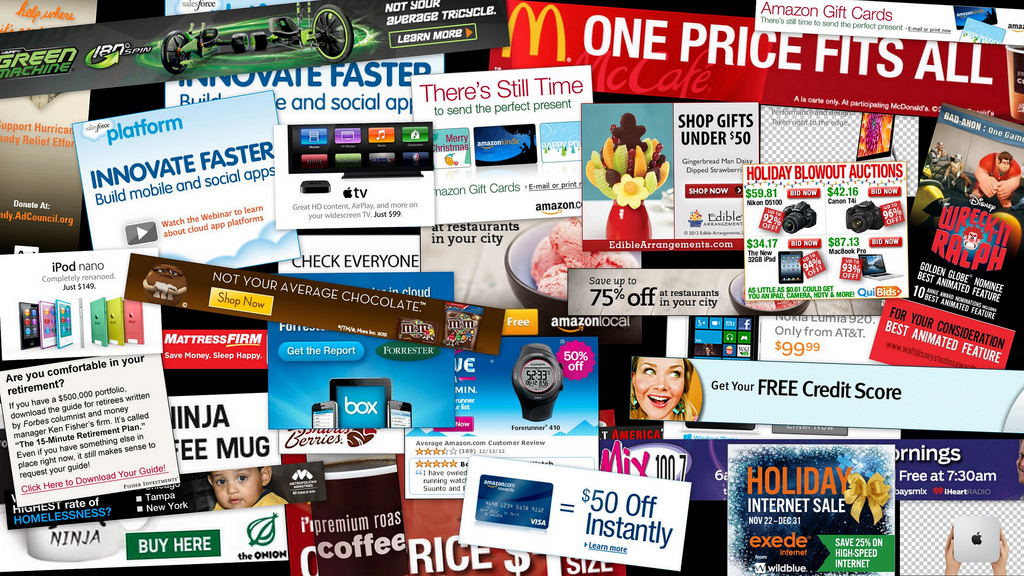
Google and many other tech companies that thrive on advertising have always been central targets for privacy advocacy groups taking issue with the data mining that these companies do. This has led to bad ads popping up and ruining the user experience. In an attempt to clamp down on this trend, Google is now implementing a new ad blocking strategy, but critics still aren’t convinced.
As Adweek reports, the new changes that Google wants to make as the biggest search engine entity around with the most popular browser in Chrome have to do with bad ads. That is to say, ads that don’t offer anything for users and only serve to annoy them, as stated by the Coalition for Better Ads.
In any case, any auto-play video, pop-up banner, or whatever sneaky scheme used to display ads are about to get massacred by Google. Websites using such ads, for example, will be categorized as “failed” and will have all of their ads blocked when viewed on Chrome. This will be the case for 30 days until the websites and publications start following the right standards.
This is all in an attempt to provide users with a better browsing experience. At least, this is what Google is trying to convince people of.
As The Washington Post reports, however, the search engine company has its work cut out for it. Privacy groups and critics are not buying into its intentions quite so easily.
Skeptics are particularly worried about Google being able to wield such power and influence over the market, in the first place. Being the biggest search engine firm in the world and being practically synonymous with internet search, it has the clout to enforce these changes without nomination.
There’s also the fact that its ads that play before YouTube videos appear to have been exempted from the rule. This makes it as if Google was self-dealing, which it has been accused of several times before.













