


 Anthropic Revenue Surge Signals Strong AI Market Momentum in 2026
  OpenAI Eyes IPO Filing as Early as This Week Amid Rising AI Competition
  Blackstone and Google Launch AI Cloud Venture, Pressuring CoreWeave and Nebius Shares
  Lam Research Expands AI-Powered Semiconductor Tools and Arizona Operations
  SpaceX IPO Nears as Goldman Sachs Set to Lead Historic $75 Billion Offering
  Mistral AI Acquires Emmi AI to Expand Industrial AI Solutions in Europe
  Texas Sues Meta Over WhatsApp Encryption Claims
  Samsung Shares Surge After Strike Deal Eases Labor Tensions
  Intuit Raises Full-Year Forecast After Strong Q3 Earnings Despite Stock Drop
  CXMT Forecasts Record Revenue Growth as Global DRAM Prices Surge
  Boeing Wins Fraud Lawsuit Over 737 MAX Filed by LOT Polish Airlines
  JPMorgan Sees Large-Cap Biotech Stocks Entering New Growth Phase in 2026
  Pentagon Expands AI Model Testing as It Seeks Alternatives to Anthropic’s Claude
  Google Expands AI Partnership With Singapore Government
  Walmart Stock Falls Despite Strong Q1 Revenue Beat and E-Commerce Growth


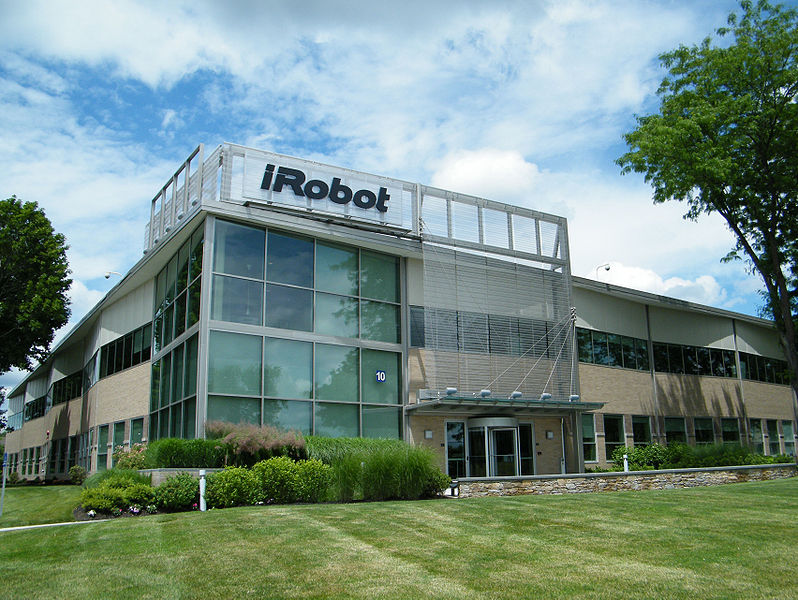
iRobot, the company behind the popular Roomba robotic vacuum cleaner, has filed for Chapter 11 bankruptcy protection in the United States as it prepares to go private through an acquisition by Picea Robotics, its primary manufacturing partner. The filing was made in Delaware bankruptcy court after months of financial strain caused by intense market competition, higher operating costs, and new U.S. trade tariffs.
The Bedford, Massachusetts–based robotics company previously warned in March that its ability to continue operating was at risk. While iRobot generated approximately $682 million in revenue in 2024, profitability has steadily declined. The company has faced growing pressure from lower-priced robotic vacuum competitors, particularly Chinese brands such as Ecovacs Robotics, which have gained global traction by offering similar features at reduced prices.
Despite maintaining a strong market position, including an estimated 42% share of the U.S. robotic vacuum market and about 65% in Japan, iRobot has been forced to lower prices and invest heavily in product innovation to remain competitive. These efforts, combined with external cost pressures, have further strained its finances.
One of the most significant challenges has come from new U.S. tariffs, especially a 46% levy on imports from Vietnam, where iRobot manufactures vacuum cleaners for the U.S. market. According to court filings, these tariffs added roughly $23 million in costs in 2025 and created uncertainty around long-term planning.
iRobot currently carries about $190 million in debt, largely stemming from a 2023 loan used to refinance operations while a proposed $1.4 billion acquisition by Amazon was under regulatory review in Europe. After the Amazon deal collapsed, iRobot fell behind on payments to Picea, which subsequently acquired the company’s debt from investment funds managed by the Carlyle Group.
Under the bankruptcy plan, Picea Robotics will assume full ownership of iRobot, cancel the $190 million loan balance, and forgive an additional $74 million owed under manufacturing agreements. Other creditors and suppliers are expected to be paid in full. iRobot has stated that the bankruptcy process will not disrupt product support, app services, customer programs, or global partnerships.
Founded in 1990 by three MIT roboticists, iRobot shifted from defense and space robotics to consumer products with the launch of the Roomba in 2002. Once valued at $3.56 billion during the pandemic-driven demand surge in 2021, the company’s valuation has fallen to around $140 million. iRobot currently employs 274 people and says it remains focused on supporting customers as it restructures.







