


 Japan Private-Sector Growth Slows as Domestic Demand Weakens
  Oil Prices Jump 3% as Houthi Attack Revives Supply Fears
  Mexico-US Trade Talks Delayed to October as Tariff Negotiations Continue
  Asian Currencies Mixed as Dollar Holds Near Two-Month High
  Gold Drops Over 1% as Dollar, Treasury Yields Surge on Fed Rate Hike Bets
  Wall Street Falls as Treasury Yields Surge, Oil Rebounds on Iran Tensions
  Oil Prices Ease as Iran Tensions Clash With Diplomacy Hopes
  Gold Prices Fall as Treasury Yields Rise on Fed Rate Hike Bets
  Fed Unveils Stablecoin Rules Under GENIUS Act
  US 10-Year Treasury Yield at 6% Emerges as New Market Risk Threshold
  Dollar Hits Two-Month High as Fed Rate Hike Bets Rise
  South Korea, US Discuss Warship Building Cooperation
  Soybean Futures Slip as Traders Await Trump-Xi Trade Signals
  European Stocks Slip as Iran Tensions Offset Strong Eurozone Data
  Wall Street Ends Flat as Oil, Treasury Yields and Fed Jitters Rattle Markets


 Add as a preferred source on Google
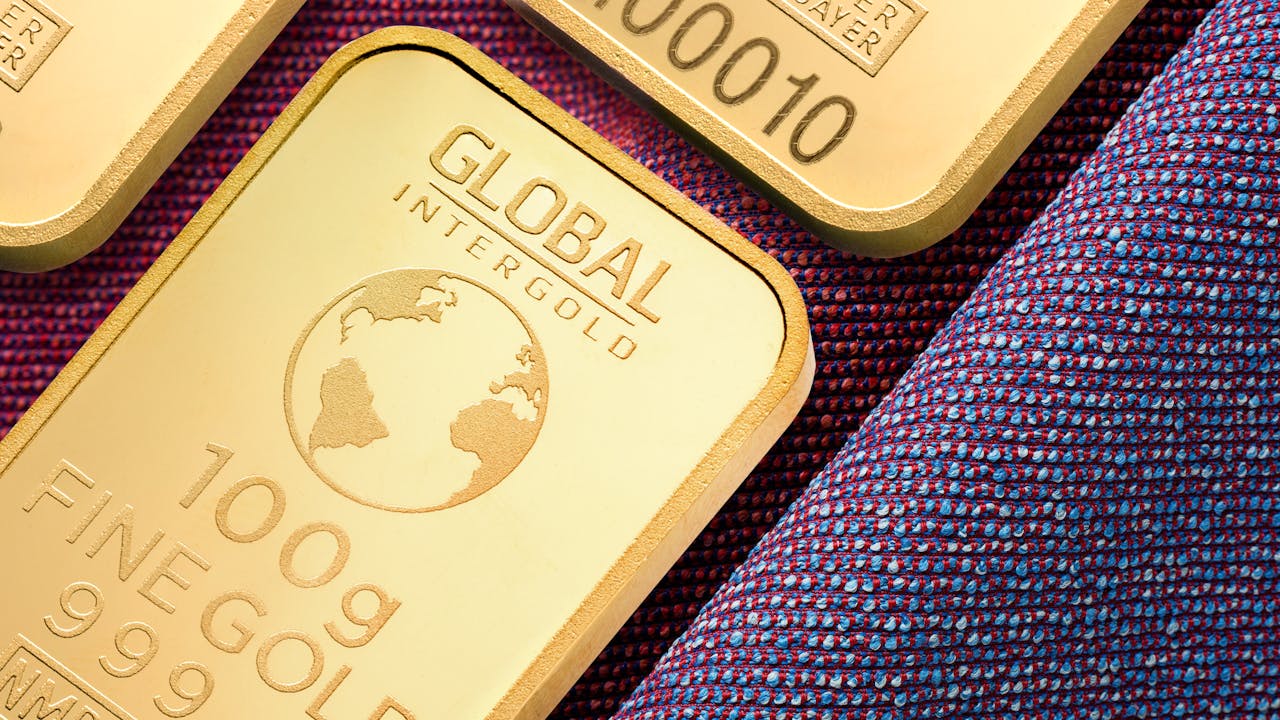
Gold prices fell sharply on Thursday as a stronger U.S. dollar and a more hawkish Federal Reserve outlook pressured the precious metal market, overshadowing optimism surrounding a newly signed peace agreement between the United States and Iran.
Spot gold declined 1.1% to $4,209.15 per ounce, while gold futures dropped 3.5% to settle at $4,227.75 per ounce. The decline came as investors reassessed the outlook for U.S. interest rates following the latest Federal Open Market Committee (FOMC) meeting.
The Fed unanimously voted to keep the federal funds rate unchanged at 3.50% to 3.75%, a decision that was widely anticipated by financial markets. However, the central bank’s updated Summary of Economic Projections revealed a notably hawkish stance. Policymakers now expect the federal funds rate to reach 3.8% by the end of 2026, compared with the previous forecast of 3.4%.
The revised dot plot indicated that nine of the 18 FOMC participants expect at least one rate hike this year. The overall projection shifted from expectations of multiple rate cuts to a single 25-basis-point increase. Higher interest rates typically reduce the appeal of non-yielding assets such as gold, contributing to the decline in bullion prices.
Market attention also focused on the first policy meeting led by new Federal Reserve Chair Kevin Warsh. During his post-meeting remarks, Warsh announced several task forces aimed at reviewing the Fed’s communication strategy, balance sheet policies, data usage, productivity trends linked to artificial intelligence, and the central bank’s inflation framework.
Meanwhile, geopolitical developments provided some support to risk sentiment. U.S. President Donald Trump and Iranian President Masoud Pezeshkian signed an interim memorandum of understanding aimed at ending military operations and launching a 60-day negotiation period. The agreement also includes the reopening of the Strait of Hormuz without tolls or restrictions during the negotiation window and reaffirms Iran’s commitment not to develop nuclear weapons.
Despite the positive geopolitical news, gold prices remained under pressure as investors prioritized the implications of higher U.S. interest rates and a stronger dollar.







