


 Gold Prices Hold Near Seven-Week High as Markets Await U.S. Inflation Data
  BOJ Signals Faster Rate Hikes as Inflation Risks Raise September Move Odds
  Goldman Sachs Sees US Stock Buybacks Outpacing Equity Issuance as AI Funding Rises
  US Dollar Near Two-Month Low as Markets Await Inflation Data
  Yen Stabilizes After Intervention Slide as Australian Dollar Hits Eight-Week High
  Oil Prices Rise as Hormuz Reopening Remains Uncertain
  China Inflation Cools in July as CPI Misses Forecast, PPI Deflation Eases
  S&P 500, Nasdaq Slip as Oil Jumps on Iran Tensions
  Oil Prices Rise as Hormuz Reopening Remains Uncertain
  S&P 500, Nasdaq Futures Rise as Iran Risks and CPI Loom
  European Stocks Flat as Oil Prices Rise, US CPI in Focus
  Asian Stocks Rise as Weak US Jobs Data Eases Fed Rate Hike Fears
  Japan Executives Warn Weak Yen and Currency Volatility Threaten Economy
  South Korean Won Leads Asian FX Losses as Dollar Rises
  Wall Street Slips as Oil Prices Surge 5% on Iran-Hormuz Uncertainty
  US Yen Intervention Unlikely to Deliver Lasting Recovery, Yardeni Says
  Gold Price Hits Two-Month High as Investors Await US Inflation Data


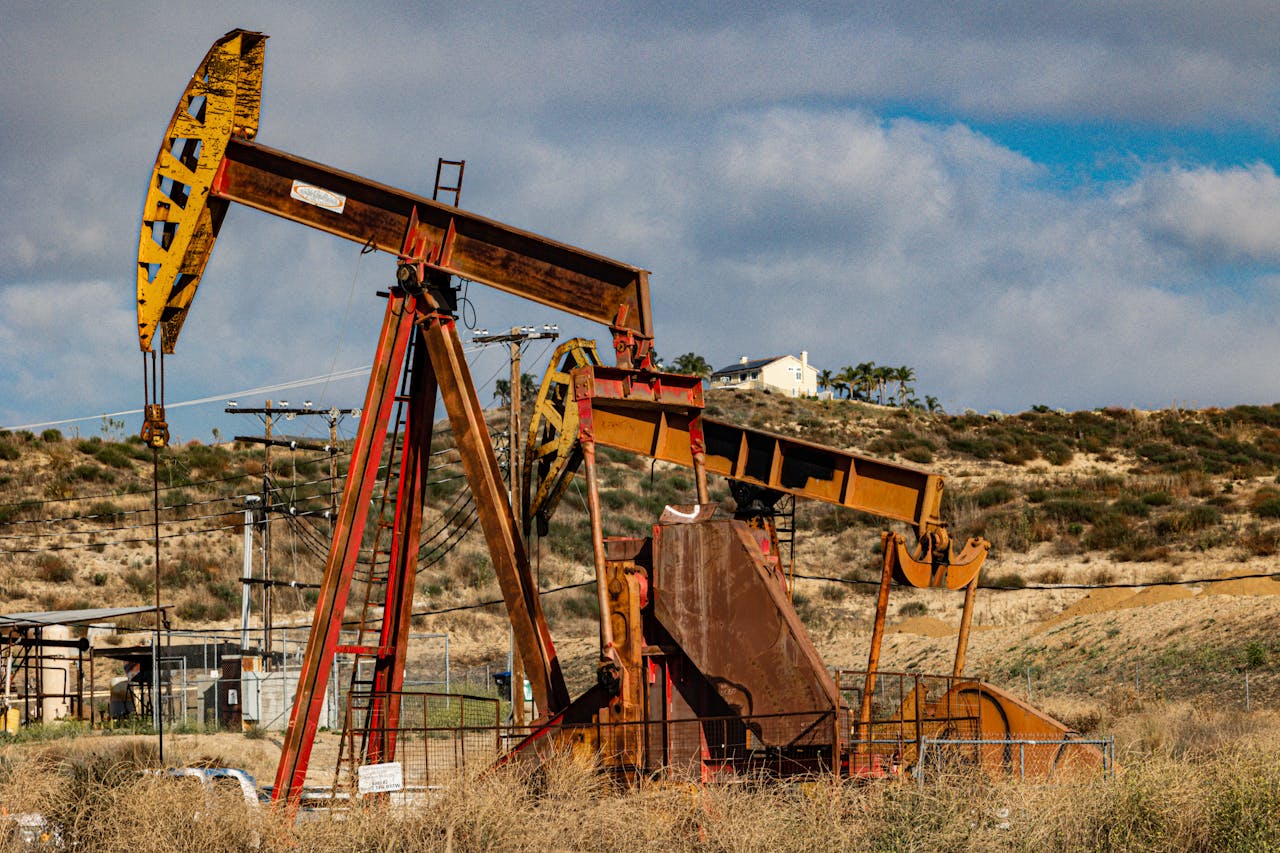
Oil prices moved lower during Asian trading on Friday and were on track for significant weekly losses as easing geopolitical tensions in the Middle East reduced concerns about global crude supply disruptions. Investors reacted positively to the interim peace agreement between the United States and Iran, along with the gradual reopening of the Strait of Hormuz, a critical route for international oil shipments.
Brent crude futures for August delivery declined 1.1% to $79.01 per barrel, while U.S. West Texas Intermediate (WTI) crude futures fell 0.7% to $76.05 per barrel. Both oil benchmarks are poised to record weekly declines of nearly 10%, trading near their lowest levels since early March.
Market sentiment improved after Washington and Tehran reached an interim agreement aimed at ending hostilities and restoring safe commercial navigation through the Strait of Hormuz. The strategic waterway is responsible for transporting roughly 20% of the world's oil supply, making it one of the most important energy corridors globally.
The implementation of the agreement has fueled expectations that millions of barrels of previously stranded Iranian crude oil could gradually return to international markets in the coming weeks. The United States officially lifted its blockade on Iran on Thursday, allowing vessels carrying delayed oil cargoes to begin exiting the region.
The prospect of increased oil exports has significantly reduced the geopolitical risk premium that previously pushed crude prices above $120 per barrel during the height of the U.S.-Iran conflict. As a result, traders have adjusted their outlook for global energy markets, contributing to the recent decline in oil prices.
Despite the positive developments, some uncertainty remains. Israeli forces reportedly conducted fresh airstrikes on Thursday, raising questions about the long-term stability of the peace arrangement. Additionally, energy analysts warn that a complete recovery in Gulf oil flows may take time, even as shipping activity resumes.
Broader economic factors have also weighed on the oil market. A hawkish stance from the U.S. Federal Reserve and expectations that interest rates could remain higher for longer have strengthened the U.S. dollar, creating additional pressure on crude oil prices and dampening demand expectations.







